Quranic Answer
The human heart is often regarded as one of the most vital and sensitive organs in the body. Its primary function is to pump blood, ensuring the supply of oxygen and essential nutrients to various parts of the body. However, in a broader and more profound sense, the heart also holds significant spiritual meaning. This multifaceted role of the heart is especially emphasized in the verses of the Holy Quran, which highlight both its anatomical significance and its metaphorical implications related to understanding, faith, and emotions. In Islam, the heart is not merely a physical organ but is viewed as the center of human perception and spirituality. The Quran mentions the heart numerous times, underscoring its importance in the life of a believer. For instance, in Surah Al-Baqarah (Chapter 2, Verse 10), Allah states: "And in their hearts is a disease, so Allah has increased their disease..." This verse serves as a stark reminder of the potential maladies that can affect the heart if it is not taken care of – both physically and spiritually. Thus, it becomes crucial to tend to our hearts to ensure they do not become afflicted by spiritual diseases, which can lead us astray from the right path. The importance of the heart can easily be observed in our daily lives and emotions. Just as our physical heart requires care and attention – through a healthy lifestyle, regular exercise, and proper nutrition – our spiritual heart also needs purification and nurturing. For instance, in Surah Ta-ha (Chapter 20, Verse 124), Allah says: "And whoever turns away from My remembrance – indeed, he will have a depressed life." This verse indicates a direct correlation between remembering Allah and attaining peace of heart. Ignoring the remembrance of God can lead to feelings of anxiety and despair, highlighting the essential role of spiritual practices in maintaining a healthy heart. Moreover, emotional aspects are intricately linked to the heart. Surah Al-Anfal (Chapter 8, Verse 24) states: "Indeed, the believers are those who, when Allah is mentioned, their hearts become fearful." This indicates the presence of emotions and feelings within the heart - emotions which resonate deeply with our connection to the divine. In essence, the heart is a vessel that houses our feelings of love, fear, hope, and faith. Thus, fostering a loving and sincere attitude within ourselves is crucial for contentment and tranquility in life. To fully appreciate the heart's role, we must delve deeper into its significance according to Islamic teachings. The heart is considered the seat of faith (iman) and the foundation of one’s relationship with Allah. It is through the heart that one can experience true spirituality, devotion, and connection with the Almighty. The Quranic verses point towards a profound understanding that a heart in harmony with divine guidance leads to a fulfilling life, while a heart clouded with negativity or ungratefulness can result in turmoil and dissatisfaction. Furthermore, the process of “tazkiyah” or purification of the heart plays a fundamental role in Islamic spirituality. It is a continuous journey aiming to cleanse the heart from the vices such as envy, hatred, and arrogance, and to cultivate virtues like compassion, patience, and love. The teachings of the Prophet Muhammad (peace be upon him) further emphasize the importance of the heart. He said, "Indeed, in the body, there is a piece of flesh that if it becomes sound, the whole body becomes sound; but if it becomes corrupt, the whole body becomes corrupt. That piece of flesh is the heart" (Sahih al-Bukhari). This hadith establishes the heart as the essential element, not only for physical well-being but for spiritual righteousness as well. The acts of worship, such as prayer (Salah), fasting (Sawm), and reciting the Quran, inherently foster a positive energy that rejuvenates the heart. These rituals compel individuals to turn inward, confront their emotions, and strengthen their connection with Allah, ultimately fostering a state of peace and contentment. The reflection inherent in these acts prompts believers to evaluate their intentions and strive for personal growth. As Muslims, it is imperative to prioritize the care of the heart – both in its physical and spiritual sense. Regular self-assessment, engaging in beneficial knowledge, and being part of a community that promotes positive and uplifting discussions can fortify our hearts against negativity. Additionally, surrounding ourselves with individuals who inspire and motivate spiritual growth can enhance our journey towards developing a sound heart. In conclusion, the heart indeed functions as the core of our emotional and spiritual lives. It is quintessential for every individual to identify the profound implications these teachings have in their lives. By nurturing our hearts with sincerity, love, and faith, we can navigate towards everlasting tranquility and fulfillment. The heart is the place where faith resides and where our relationship with Allah is defined; thus, the cultivation and care of this sacred core should be a priority for every Muslim, paving the path to a life filled with purpose and serenity.
Related Verses
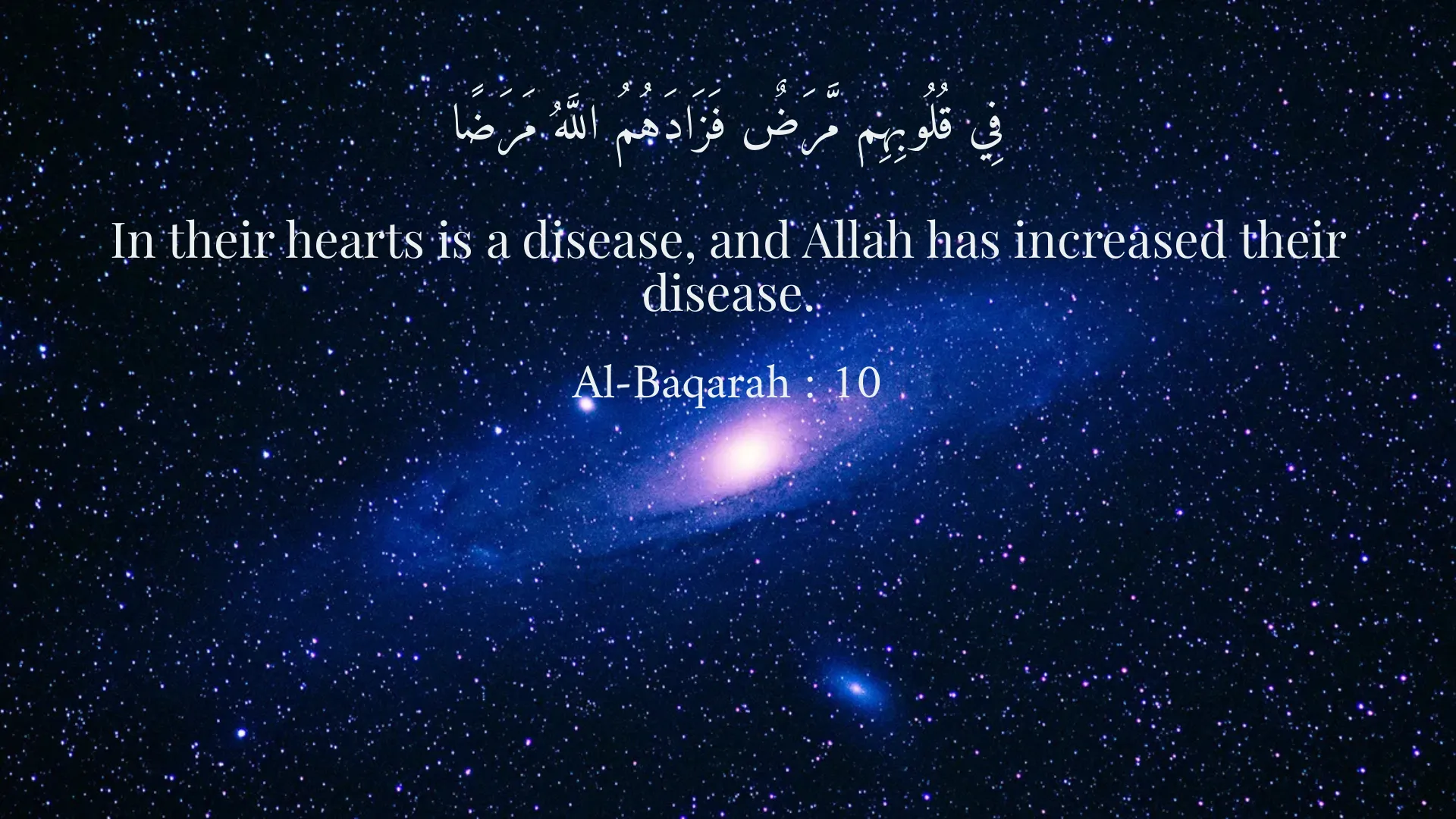
فِي قُلُوبِهِم مَّرَضٌ فَزَادَهُمُ اللَّهُ مَرَضًا
In their hearts is a disease, and Allah has increased their disease.
Al-Baqarah : 10
وَمَن أَعْرَضَ عَنْ ذِكْرِي فَإِنَّ لَهُ مَعِيشَةً ضَنكًا
And whoever turns away from My remembrance - indeed, he will have a depressed life.
Taha : 124
إِنَّمَا الْمُؤْمِنُونَ الَّذِينَ إِذَا ذُكِرَ اللّهُ وَجِلَتْ قُلُوبُهُمْ
Indeed, the believers are those who, when Allah is mentioned, their hearts tremble.
Al-Anfal : 24
Short Story
One day, a man named Ali discovered that his heart was in ruins. He prayed to Allah for guidance to strengthen his heart. Over the days, he dedicated himself to worship and prayer, striving to avoid sins. Soon, he felt peace and love flowing in his heart. This experience taught him that he must always take care of his heart and not forget the remembrance of God.