Quranic Answer
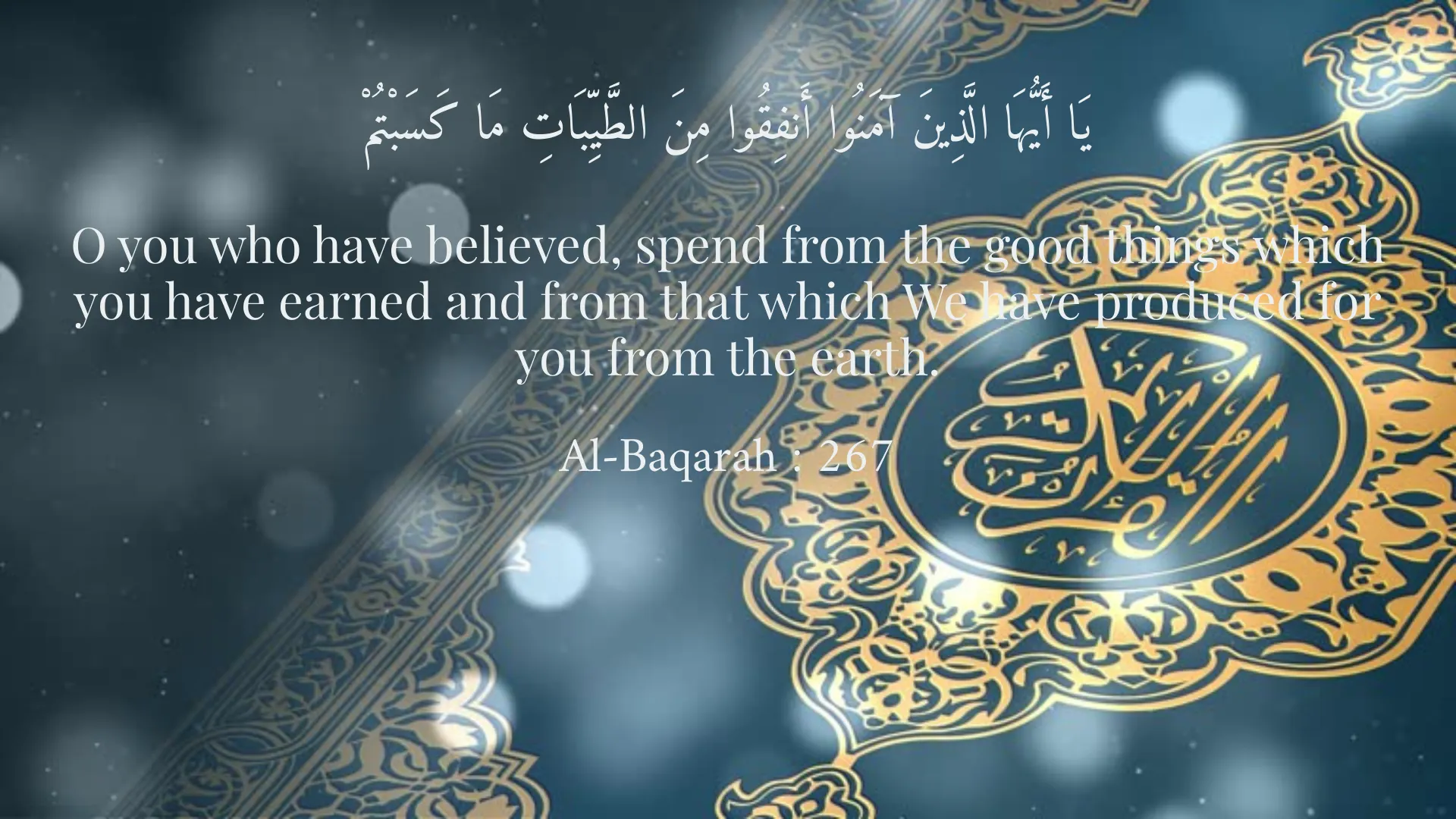
In today's world, where individualism often reigns supreme, the principles of doing good and kindness are not just ancient ideals but essential tenets of Islamic life. Rooted deeply in the Quran, these principles advocate for a way of living that nurtures our connections with each other, promotes collaboration, and fosters goodwill. The importance of these values transcends religious boundaries, resonating widely in humanity's collective quest for harmony and coexistence. By examining Islamic teachings on kindness and communal responsibility, we can explore how these principles can be implemented in our daily lives, enriching the fabric of society and contributing to our inner peace. In Surah Al-Baqarah, verse 267, Allah addresses the believers with a guiding message that urges them to spend from the best of what they have. The verse states: "O you who have believed, spend from the good things which you have earned and from that which We have produced for you from the earth." This urging reinforces the essence of charity and good deeds, encouraging a behavior pattern that not only aids one's own well-being but also serves the greater community. In essence, this verse captures the heart of Islamic financial ethics, emphasizing the importance of utilizing one's resources for the benefit of others. It encourages individuals to reflect not only on what they possess but also on their responsibility towards those who may be less fortunate. Charity, in Islam, is not merely a transactional act of giving but is viewed as a profound expression of love and compassion. The act of sharing and giving ignites feelings of connection and empathy, weaving a stronger social fabric among individuals. When one takes the initiative to perform good deeds, they invariably contribute to improving the conditions of others. This act of benevolence often results in an experience of inner peace and joy for the giver, forming a reciprocal relationship between giving and emotional fulfillment. Further reinforcing the significance of sacrificial goodness, Surah Al-Imran, verse 92 states: "Never will you attain good [reward] until you spend [in the cause of Allah] from that which you love." The notion of spending from what one loves underscores a deeper acknowledgment of the essence of sacrifice in the pursuit of goodness. This principle suggests that true altruism involves a measure of personal sacrifice, whether it be time, effort, or resources. The rewards of such selflessness are manifold; not only does it foster community cohesion, but it also enriches the individual's spiritual journey. In the broader context of society, the act of doing good has a cascading effect on social relationships. Acts of kindness deepen connections, creating a network of support that can be invaluable in times of need. Moreover, establishing and nurturing these positive bonds can lead to a more harmonious coexistence, where individuals feel a sense of belonging and collective responsibility. Positive social relationships are crucial for emotional well-being, and they often act as a buffer against life's inevitable challenges. In addition to the personal and communal benefits, Islamic teachings on kindness and doing good offer a pathway to earn divine satisfaction. A person who consistently walks the path of goodness tends to accrue numerous rewards and blessings, both in this world and the Hereafter. This perspective cultivates a mindset that views acts of kindness as investments in one's spiritual bank account. Understanding that our deeds have eternal consequences elevates the practice of kindness from a mere social nicety to a profound duty, reinforcing the connection between humanity and the divine. Moreover, engaging in acts of kindness offers practical benefits that resonate beyond the individual. For instance, community initiatives such as volunteering in shelters, participating in neighborhood clean-ups, or supporting local charities create an uplifting ripple effect. These initiatives serve to heighten awareness and inspire others to contribute, creating a culture of giving and communal care. The more individuals embrace and propagate good deeds, the more they can transform their environments, paving the way for societal change. Furthermore, the implementation of these principles is not limited to grand gestures; even small acts of kindness, such as a smile or a kind word, can significantly impact someone's day. This encourages us all to look for opportunities to integrate goodness into our routine interactions. By embedding kindness into our everyday lives, we foster a culture that holds compassion and solidarity as guiding principles. Interestingly, the intersection between goodness and personal development shines a light on the reciprocal nature of these ideals. Engaging in good actions often leads individuals to self-reflect, grow, and evolve towards becoming better versions of themselves. In doing good, individuals may discover a heightened sense of purpose, a clearer understanding of their values, and an enhanced capacity for empathy. This journey through giving creates a cycle of positivity and growth that enriches the individual's life experiences. As we continue to navigate the complexities of modern life, it is crucial to prioritize kindness and goodness within our spheres of influence. Through acts of charity, compassion, and collaboration, we not only uplift others but also carve a path toward our own personal development and spiritual ascent. The conscious decision to contribute to the betterment of society is ultimately a choice to nourish the soul, helping bridge the gaps that often separate individuals in today's increasingly fragmented world. In summary, the Islamic principles of doing good and kindness are not merely directives; they are profound practices that enhance communal cohesion and solidify personal growth. With every act of goodness, we not only provide support to others but also sow the seeds of our own satisfaction and spiritual fulfillment. As we embrace these teachings, let us recognize the timeless wisdom contained within them, using it as a guiding light in our daily lives. Doing good is transcending mere obligation; it is a way of life that reaps countless rewards in this world and beyond.
Related Verses
يَا أَيُّهَا الَّذِينَ آمَنُوا أَنفِقُوا مِنَ الطَّيِّبَاتِ مَا كَسَبْتُمْ
O you who have believed, spend from the good things which you have earned and from that which We have produced for you from the earth.
Al-Baqarah : 267
لَنْ تَنَالُوا الْبِرَّ حَتَّى تُنفِقُوا مِمَّا تُحِبُّونَ
Never will you attain good [reward] until you spend [in the cause of Allah] from that which you love.
Al-Imran : 92
Short Story
One day, Adel remembered that every day when he passed by his home, he saw a few elderly women struggling to cross the street. He decided to take the initiative and help them. By doing so, he not only brightened his own spirit but also dedicated time and attention to these needy individuals. Days passed, and Adel realized that his good deed motivated others to also do good.