Quranic Answer
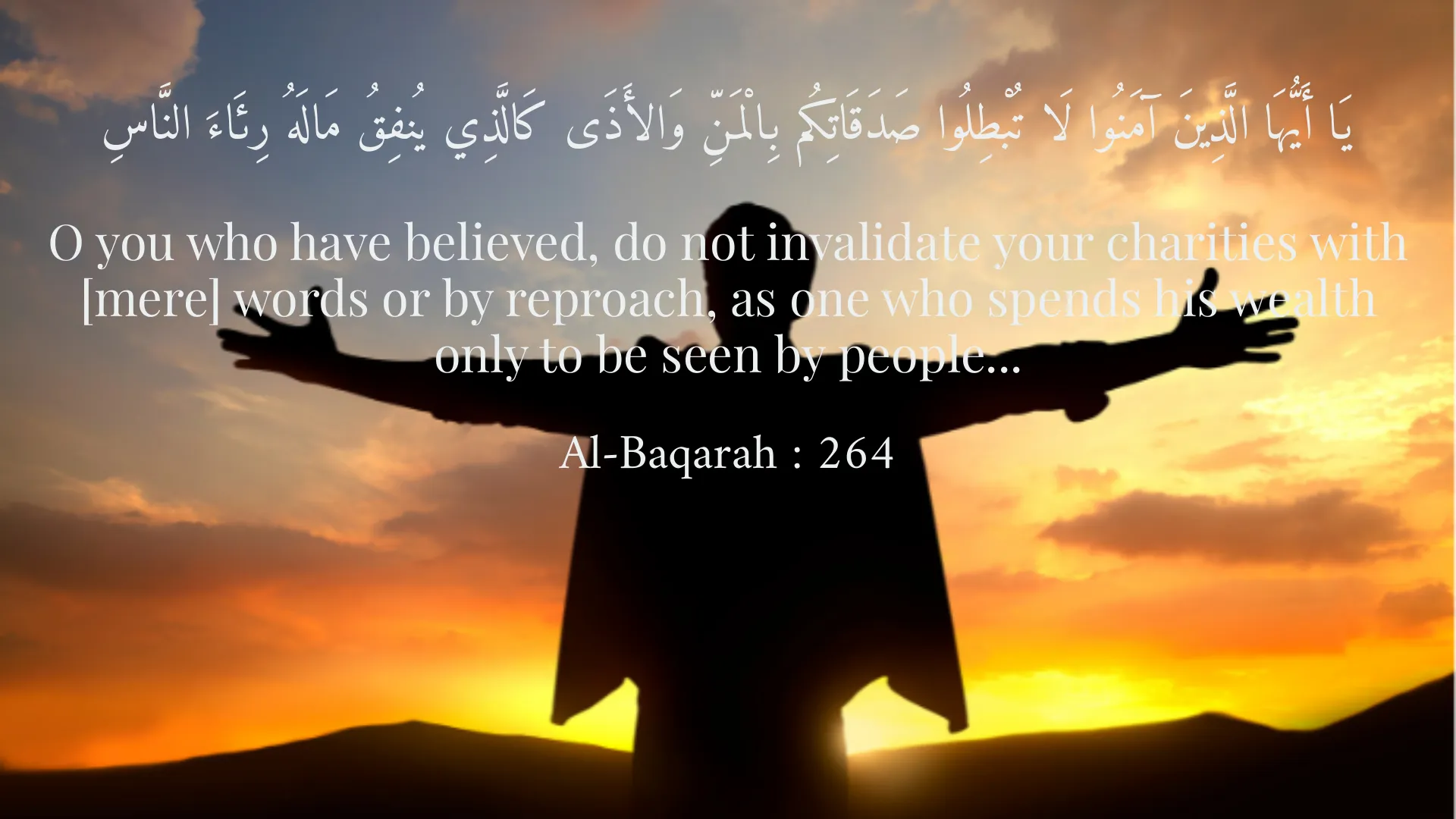
In the rich tapestry of Islamic teachings, the themes of sincerity and pure intention are woven into the fabric of everyday life, particularly as they relate to good deeds and acts of worship. The Holy Quran serves as a guiding light, illuminating the necessity of performing good deeds for the sake of Allah alone, devoid of any ulterior motives or desires for worldly recognition. This in-depth exploration delves into the Quranic verses that underscore the significance of sincerity, the implications of performing good deeds with the right intentions, and the spiritual ramifications of actions that seek human approval over divine acceptance. To begin with, the Quran clearly articulates the need for sincerity through various verses, the most noteworthy being found in Surah Al-Baqarah, verse 264. Allah states: "O you who have believed, do not invalidate your charities with [mere] words or by reproach, as one who spends his wealth only to be seen by people..." This powerful verse serves as a reminder that the essence of charity and good deeds lies in the intention behind them. Essentially, it warns against corrupting the purity of one's actions with thoughts of recognition from others. The verse illustrates that good deeds can be rendered ineffective or 'invalid' when they are performed with the desire for praise from fellow human beings rather than a sincere desire to earn Allah's mercy and pleasure. Moreover, this emphasis on intention is not restricted to acts of charity alone. In Surah Al-Mu'minun, verse 51, Allah emphasizes the traits of true believers by stating, "Indeed the believers are those who are constant in their prayer." This verse highlights the importance of mindfulness and sincerity in worship. It indicates that true devotion involves a consistent and heartfelt commitment to prayer, further reinforcing the idea that spiritual acts should be devoid of showmanship. This connection between sincere worship and genuine intention hence calls for the believers to act out of love for Allah, rather than for others to witness their piety. The Quranic teachings highlight a critical examination of one's motives. When individuals perform good deeds primarily to be recognized by others, they risk falling into the traps of selfishness and hypocrisy. Such behaviors not only undermine the goodness of their actions but also threaten their spiritual well-being. The propensity to seek validation from society can lead to an emptiness in the heart and a disconnection from the divine. Thus, the importance of nurturing a sincere heart presents itself as a fundamental aspect in Islam, one that draws believers closer to Allah and instills meaningfulness in their actions. In addition to the spiritual dimensions, the notion of sincerity in actions can have impactful ramifications in one's daily life. If a person engages in charity or assists others purely for social recognition, they may inadvertently develop a pattern of selfishness that corrupts their principles over time. Rather than nurturing bonds of community and fostering genuine relationships, such individuals may find themselves isolated, relying on the fleeting nature of external validation. Therefore, the true essence of kindness, compassion, and charity is lost when the intention behind such actions is impure or self-serving. Conversely, when one acts with a sincere heart, free from the desire for external recognition, they foster a deeper connection with Allah. Such actions, performed with pure intention, can attract divine blessings and elevate one's personal and communal life in profound ways. For example, an act of charity performed discreetly, without the need for acknowledgment, is a demonstration of humility and a testament to fortifying one’s relationship with Allah. This deeper connection can manifest as inner peace, spiritual growth, and a sense of fulfillment that surpasses any fleeting gratification that might arise from receiving praise. Furthermore, this principle extends into the framework of communal relationships. When good deeds are performed without ostentation, they contribute to an atmosphere of sincerity within the community, where individuals are motivated by a genuine desire to help one another rather than compete for attention. This creates a robust social fabric, allowing for genuine caring and compassion to flourish, enhancing not just individual relationships but the overall wellbeing of the community. The message conveyed through these Quranic teachings is timeless and resonates with the necessity for humanity to seek authenticity in actions. The true worth of good deeds lies not in their visibility, but in the sincere intentions that accompany them. In every act of kindness, be it charity, support for a friend, or communal engagement, the underlying intention must be to seek Allah's pleasure and cultivate a heart filled with purity and love. In conclusion, the Quran’s teachings regarding sincerity and pure intention remind us that our lives can be transformed by the purity of our hearts. As believers, being conscious of the intentions behind our actions can rejuvenate our faith, enrich our relationships, and elevate our spiritual journey. Let us strive to align our deeds with genuine intention and surrender our hearts to the pursuit of divine approval rather than the fleeting accolades of society. By doing so, we not only ensure the validity of our good deeds but also experience the profound tranquility that comes from cultivating sincerity in our lives. In the words of Allah, true fulfillment comes from the heart that seeks to please Him alone.
Related Verses
يَا أَيُّهَا الَّذِينَ آمَنُوا لَا تُبْطِلُوا صَدَقَاتِكُم بِالْمَنِّ وَالأَذَى كَالَّذِي يُنفِقُ مَالَهُ رِئَاءَ النَّاسِ
O you who have believed, do not invalidate your charities with [mere] words or by reproach, as one who spends his wealth only to be seen by people...
Al-Baqarah : 264
إِنَّمَا الْمُؤْمِنُونَ الَّذِينَ هُمْ فِي صَلَاتِهِمْ خَاشِعُونَ
Indeed the believers are those who are constant in their prayer.
Al-Mu'minun : 51
Short Story
One day, a wise person was walking and met a generous individual in a neighborhood. The generous person was helping others without seeking attention for himself. The wise individual said to him: 'Those who rush to help do not need recognition.' The message stayed with the generous person and encouraged him to continue his charitable acts in secrecy and sincerity.