Quranic Answer
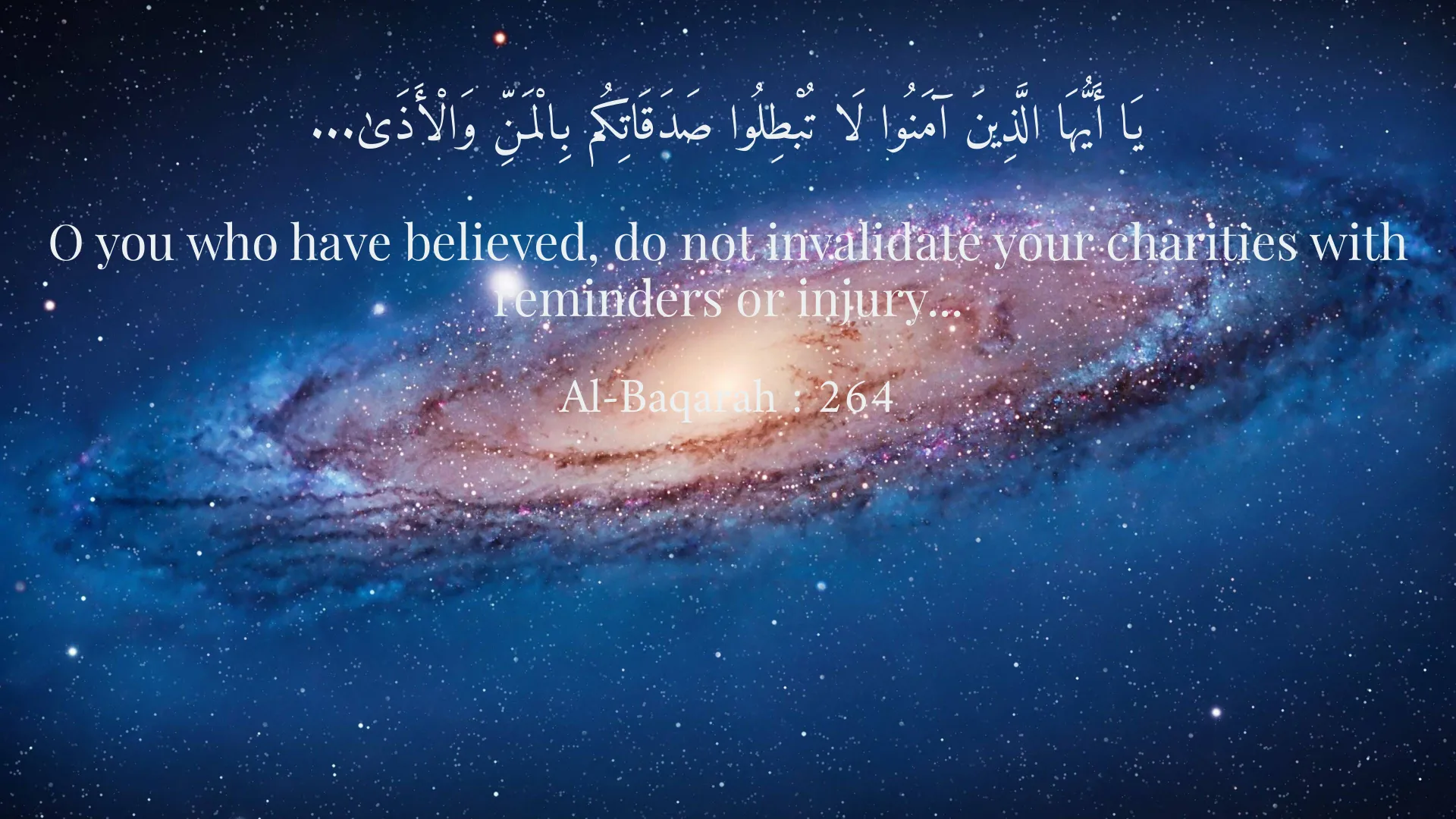
In the Holy Quran, the essence of humility and the necessity of performing good deeds without boastfulness is underscored repeatedly, emphasizing the spiritual integrity and moral fortitude that every believer must uphold. The teachings found in the Quran guide individuals toward achieving true piety and devotion to Allah, marking humility as a vital characteristic for those striving for righteousness. Understanding the profound wisdom encapsulated in the Quranic verses, particularly in Surah Al-Baqarah and Surah Al-Ma'idah, one can recognize the transformative power of sincerity in their actions towards Allah and humanity. In Surah Al-Baqarah, verse 264, Allah states, "O you who have believed, do not invalidate your charities with reminders or injury..." This verse serves as a fundamental reminder that the act of giving charity should be rooted in pure intentions and devoid of any self-serving motives. The Divine injunction clearly delineates the importance of performing good deeds for the sake of Allah, rather than to seek status or recognition from others. When an individual delivers charity and then reminds others of their beneficial act, it dilutes the value of their offering and may lead the recipient to feel belittled or indebted. This undermines the very purpose of charity, which is primarily to serve others and to foster a sense of community and support. Moreover, humility and a genuine heart stand as important prerequisites for receiving Allah's blessings. In another significant verse in Surah Al-Ma'idah, Allah guides believers towards a path of righteousness, highlighting the necessity of maintaining purity in one’s actions. The emphasis here is on sincerity, where good deeds should stem from a place of genuine compassion rather than a desire for accolades. This is echoed in several Hadiths, including those attributed to the Prophet Muhammad (peace be upon him), who articulated that Allah does not merely scrutinize outward appearances or actions; rather, He meticulously examines the intentions within one's heart. Thus, the act of boasting about good deeds becomes not only unnecessary but a potential impediment to spiritual growth and genuine relationship with the Almighty. To elaborate, the concept of humility in performing good deeds does not only align with Islamic teachings but is also universally recognized across many belief systems and cultures as a virtue of high regard. When individuals serve their communities or perform acts of kindness without the intent of receiving public admiration, they cultivate a spirit of selflessness and foster authentic relationships that are built on trust and respect, as opposed to transactional exchanges. The selfless individual operates in a sphere of moral authenticity, allowing their actions to speak for themselves without the need for external validation. Consider the consequences when individuals prioritize recognition over genuine altruism. The urge to capture one's good deeds on social media or to seek approval often stems from an inner void or insecurity. Such behaviors not only compromise the intrinsic value of their efforts but also contribute to a culture of competition rather than cooperation. When the primary motivation shifts from serving others to an obsession with personal branding or reputation, it leads to ethical dilemmas and moral conflicts that can erode the essence of community bonds. In today's context, this is particularly notable, as the digital age can sometimes blur the lines between genuine intention and superficial display. In view of this, believers are called to reflect on the teachings of the Quran and embody the principles articulated within it. Maintaining humility should be at the forefront of one’s character, becoming a compass that directs the course of one's actions and intentions. This calls upon individuals to seek solace in the knowledge that Allah is ever-present in their lives, witnessing their deeds and thoughtfully considering the motivations behind each action. Understanding that Allah knows every individual's struggles and triumphs means embracing the profound duty to fulfill obligations sincerely and in a manner that promotes unity and compassion. This understanding leads to the acknowledgment that the real measure of one's piety does not lie in how visible one's good deeds are, but rather in the depth of one’s connection to Allah and the impact those actions have on others. Seeking to build a personal relationship with Allah must be characterized by a commitment to sincerity alongside humility. Ultimately, the pursuit of a humble life devoid of boasting provides believers with the framework to navigate life’s moral challenges while cultivating a community rooted in compassion and spiritual growth. Thus, it is imperative for followers of Islam to consistently engage in acts of kindness discreetly, seeking Allah's pleasure rather than the applause of fellow human beings. This practice not only preserves the sanctity of charitable acts but also amplifies their spiritual merits, aligning one’s life with the teachings of the Quran and the wisdom exemplified by the Prophet Muhammad (peace be upon him). Indeed, cultivating humility while performing righteous deeds is a transformative journey that requires thoughtful introspection and a continuous quest for sincerity. In doing so, individuals not only better themselves but foster an environment where collective goodness can thrive, ultimately leading to a harmonious society bound by shared values of empathy, respect, and divine consciousness. As Allah observes the inner dimensions of our faith, let us aspire to develop true integrity which honors our devotion to Him and enriches the lives of those around us.
Related Verses
يَا أَيُّهَا الَّذِينَ آمَنُوا لَا تُبْطِلُوا صَدَقَاتِكُم بِالْمَنِّ وَالْأَذَىٰ...
O you who have believed, do not invalidate your charities with reminders or injury...
Al-Baqarah : 264
يَا أَيُّهَا الَّذِينَ آمَنُوا مَن يَرْتَدَّ مِنكُمْ عَنْ دِينِهِ فَسَوْفَ يَأْتِي اللَّـهُ بِقَوْمٍ يُحِبُّهُمْ وَيُحِبُّونَهُ...
O you who have believed, whoever of you should revert from his religion – Allah will bring forth [for] a people He will love and who will love Him...
Al-Ma'idah : 54
Short Story
One day, Adel was sitting by the sea, thinking about the good deeds he had done. He decided to share those deeds to attract the attention of others. Suddenly, he thought to himself, 'If Allah knows my heart's intention, why should I tell anyone else?' From that day on, he performed good deeds only for the sake of Allah and, in doing so, felt a greater sense of peace.