Quranic Answer
In addressing the question of whether humans can distinguish absolute good, it is essential to approach this topic from the perspective of the Holy Quran and Islamic teachings. From a Quranic viewpoint, absolute good is inherently rooted in the essence of Allah (God) Almighty. Only He possesses complete and flawless knowledge of all dimensions of good and evil. Allah, the Creator of the universe and the All-Knowing, is the ultimate arbiter; what He deems good is unquestionably absolute good, and what He deems evil is absolute evil. In contrast, humans, despite the extraordinary abilities bestowed upon them by God, possess an inherent limitation in fully and comprehensively understanding phenomena. This limitation extends not only to their knowledge of the future and the consequences of actions but also significantly impacts their ability to discern the true nature of good and evil. Often, what appears good to a human at first glance might, in reality and over time, prove to be a source of numerous evils and problems. Conversely, something initially perceived as difficult or unpleasant might ultimately lead to genuine good and felicity. The Holy Quran explicitly points to this reality: humans cannot, by themselves and without divine guidance, grasp all aspects of good and evil. Verse 216 of Surah Al-Baqarah is one of the most direct verses in this regard, stating: “But perhaps you hate a thing and it is good for you; and perhaps you love a thing and it is bad for you. And Allah Knows, while you know not.” This verse clearly indicates that human criteria for distinguishing good and evil are often incomplete and influenced by their desires and limited knowledge. Due to their nature, humans tend to seek good in what is pleasurable, easy, and self-serving, whereas absolute good is sometimes found in difficult paths, patience, and self-sacrifice. Discerning absolute good requires insight and wisdom that transcends human sensory perceptions and partial intellect. This divine wisdom has been transmitted to humanity through revelation and the teachings of the prophets. The Quran and the Sunnah (traditions) of Prophet Muhammad (peace be upon him) serve as guides for humanity, enabling individuals to find the path of good and righteousness in their lives and to avoid evils. This divine guidance provides a comprehensive roadmap for all aspects of individual and societal life, ranging from ethics and worship to transactions and human relationships. Moreover, humans possess a divine disposition (Fitra) that inclines them towards monotheism and good. This Fitra is the pure conscience and innate inclination towards justice and benevolence that Allah has placed within every human being. However, this Fitra can become clouded and deviate from its true path under the influence of external factors such as improper upbringing, corrupt environments, and satanic temptations. Consequently, relying solely on Fitra and conscience is insufficient for distinguishing absolute good; rather, this Fitra requires nourishment and strengthening through divine teachings. Therefore, it can be concluded that humans, by themselves and without divine assistance and guidance, cannot fully and infallibly distinguish absolute good. Humans can achieve relative good and what appears outwardly beneficial, but to attain a full understanding of absolute good, they require the light of revelation and divine guidance. These divine instructions help humans escape the pitfalls of carnal desires and hasty judgments, guiding them onto a path that leads to eternal felicity and the pleasure of the Lord. Ultimately, submission to the divine will and adherence to His commands are the keys to attaining absolute good and living a life built upon it. This includes understanding that whatever Allah decrees, even if it seems difficult for us, is ultimately good, and realizing that our life’s path is illuminated by His guidance, leading us from the darkness of ignorance and error towards the light of truth. In other words, absolute good belongs only to Allah, and humans, in the light of His guidance, can move towards this good and manifest it in their lives.
Related Verses
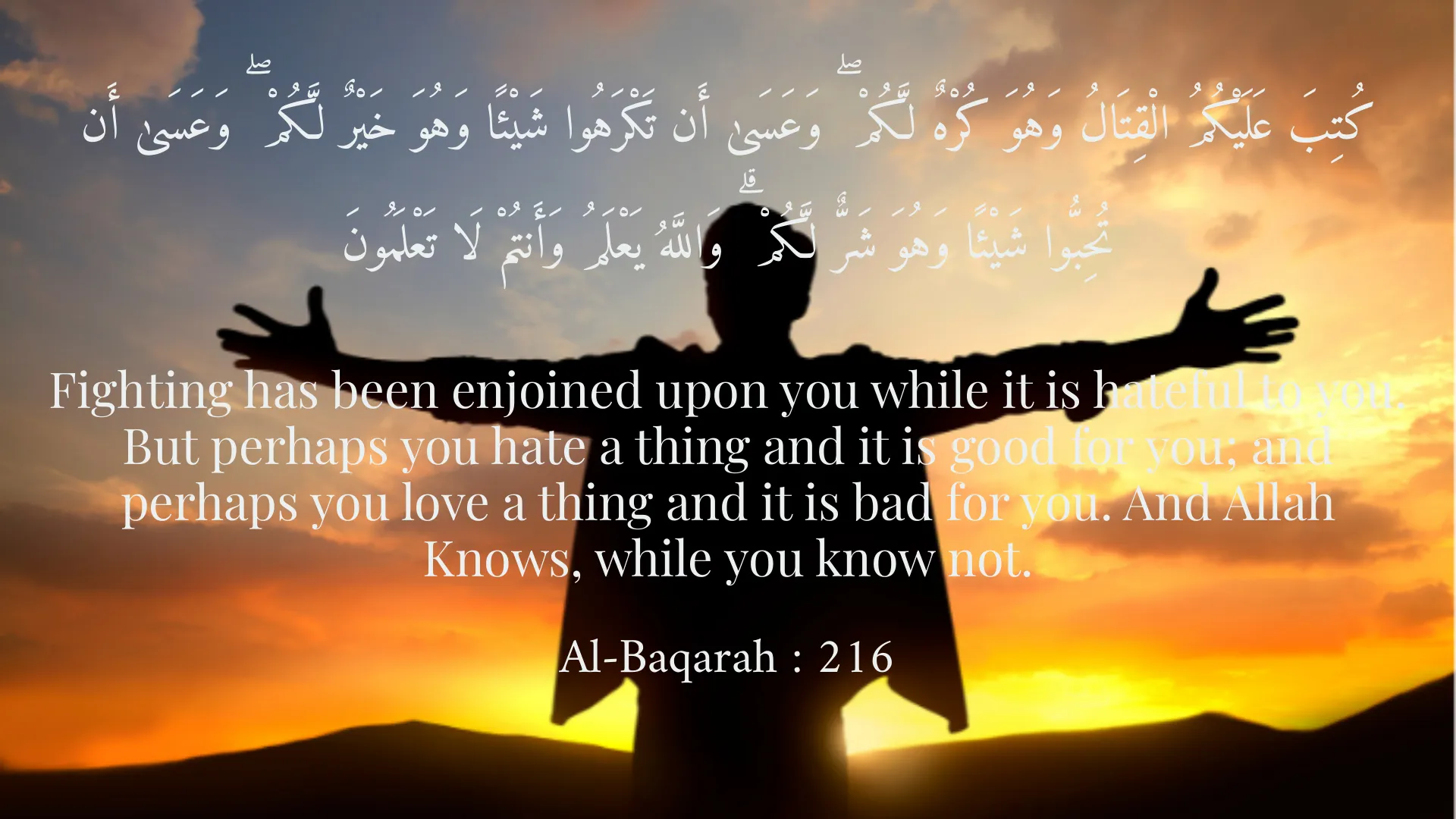
كُتِبَ عَلَيْكُمُ الْقِتَالُ وَهُوَ كُرْهٌ لَّكُمْ ۖ وَعَسَىٰ أَن تَكْرَهُوا شَيْئًا وَهُوَ خَيْرٌ لَّكُمْ ۖ وَعَسَىٰ أَن تُحِبُّوا شَيْئًا وَهُوَ شَرٌّ لَّكُمْ ۗ وَاللَّهُ يَعْلَمُ وَأَنتُمْ لَا تَعْلَمُونَ
Fighting has been enjoined upon you while it is hateful to you. But perhaps you hate a thing and it is good for you; and perhaps you love a thing and it is bad for you. And Allah Knows, while you know not.
Al-Baqarah : 216
وَيَسْأَلُونَكَ عَنِ الرُّوحِ ۖ قُلِ الرُّوحُ مِنْ أَمْرِ رَبِّي وَمَا أُوتِيتُم مِّنَ الْعِلْمِ إِلَّا قَلِيلًا
And they ask you, [O Muhammad], about the soul. Say, 'The soul is of the affair of my Lord. And you have not been given of knowledge except a little.'
Al-Isra : 85
الَّذِينَ يَتَّبِعُونَ الرَّسُولَ النَّبِيَّ الْأُمِّيَّ الَّذِي يَجِدُونَهُ مَكْتُوبًا عِندَهُمْ فِي التَّوْرَاةِ وَالْإِنجِيلِ يَأْمُرُهُم بِالْمَعْرُوفِ وَيَنْهَاهُمْ عَنِ الْمُنكَرِ وَيُحِلُّ لَهُمُ الطَّيِّبَاتِ وَيُحَرِّمُ عَلَيْهِمُ الْخَبَائِثَ وَيَضَعُ عَنْهُمْ إِصْرَهُمْ وَالْأَغْلَالَ الَّتِي كَانَتْ عَلَيْهِمْ ۚ فَالَّذِينَ آمَنُوا بِهِ وَعَزَّرُوهُ وَنَصَرُوهُ وَاتَّبَعُوا النُّورَ الَّذِي أُنزِلَ مَعَهُ ۙ أُولَٰئِكَ هُمُ الْمُفْلِحُونَ
Those who follow the Messenger, the unlettered prophet, whom they find written in [their scriptures] - the Torah and the Gospel - who enjoins upon them what is right and forbids them what is wrong and makes lawful for them the good things and prohibits for them the evil things and relieves them of their burden and the shackles which were upon them. So those who have believed in him and honored him and aided him and followed the light which was sent down with him - it is those who will be the successful.
Al-A'raf : 157
Short Story
It is narrated that a wealthy merchant, intending a long journey, set forth with a caravan. Along the way, he found a golden opportunity for immense profit, which had a deceptive allure, but in truth, it was a path towards illicit and forbidden dealings. The merchant was overjoyed by this prospect, inwardly considering himself blessed by fortune. During the same journey, he encountered a wise old Sufi, renowned for his courage and wisdom, known as the 'Sufi Sheikh'. The merchant spoke of his venture to him, expecting praise. The Sheikh, with a benevolent smile and sweet words, said: 'My son, not everything that glitters is gold, nor is every sweet fruit without a hidden worm. Sometimes, a quick profit sows the seeds of long-term regret. True good lies not merely in accumulating wealth, but in peace of heart and the satisfaction of the Almighty.' The merchant, whose heart was deeply entangled in worldly desires, was displeased by the elder's words and disregarded his advice, proceeding with his plans. Time turned against him, and that seemingly golden venture trapped him in legal woes and disgrace, squandering all his reputation and peace. It was then that he remembered the Sheikh's words and realized that absolute good was not in what his heart desired, but in what divine wisdom and the counsel of the pious had indicated. With the eye of his heart, he saw how ignorance and greed had prevented him from discerning true good.