Quranic Answer
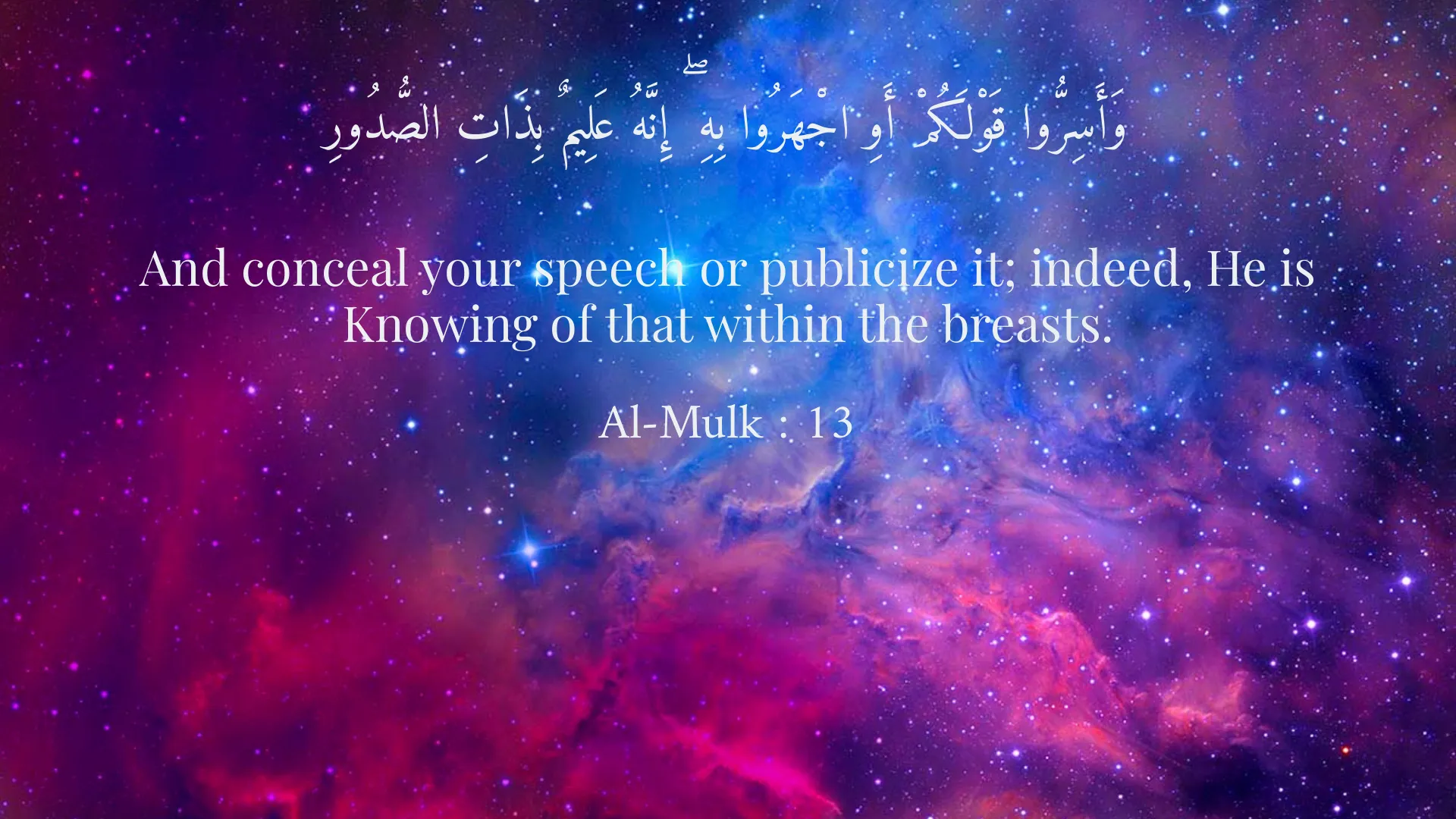
“Does God listen to inner groans?” This is a profound and comforting question that touches upon the very core of faith and humanity's relationship with the Creator. The unequivocal answer, derived from the verses of the Holy Quran, is a resounding yes. Allah not only listens to our inner groans, our silent prayers, and our hidden pleas, but He is also fully aware of everything that transpires within our hearts even before a single word escapes our lips. This truth not only demonstrates the complete and infinite nature of divine knowledge but also highlights Allah's unparalleled closeness and intimacy with His creation. In life's journey, humans constantly encounter ups and downs. Sometimes, they experience pains and sufferings that are difficult or even impossible to articulate with words. In such moments, inner groans and silent sighs are the most eloquent cries of the soul. The Holy Quran reassures us that even these unspoken whispers and deep feelings do not remain hidden from God’s sight and are fully attended to by Him. The Holy Quran, in numerous verses, testifies to this reality that Allah is Al-Alim (The All-Knowing) and Al-Basir (The All-Seeing); a Being from whom nothing, not even the minutest thoughts and most hidden feelings deep within a human being, remains concealed. In Surah Al-Mulk, verse 13, Allah states: “وَأَسِرُّوا قَوْلَكُمْ أَوِ اجْهَرُوا بِهِ إِنَّهُ عَلِيمٌ بِذَاتِ الصُّدُورِ” (And conceal your speech or publicize it; indeed, He is Knowing of that within the breasts). This verse explicitly indicates that whether we vocalize our thoughts and make them public, or keep them hidden within our hearts, Allah is fully aware of all of them. The phrase “that within the breasts” (ذات الصدور) refers to the deepest and most concealed thoughts, intentions, worries, aspirations, and inner pains that a person might not even be able to articulate fully themselves. This verse presents a comprehensive picture of divine knowledge that includes not only apparent speech but also hidden thoughts that may not even manifest as groans or sighs. This shows that the connection with God transcends language and speech, extending to the essence of intention and the heart. Furthermore, in Surah Taha, verse 7, it is stated: “وَإِن تَجْهَرْ بِالْقَوْلِ فَإِنَّهُ يَعْلَمُ السِّرَّ وَأَخْفَى” (And if you speak aloud - then indeed, He knows the secret and what is [even] more hidden). This verse further emphasizes Allah's comprehensive knowledge of everything, including matters that are hidden even from the individual themselves. Inner groans and unspoken sorrows that weigh heavily on the chest are precisely examples of “secret and what is [even] more hidden,” for which there is no veil for Allah. This profound truth offers unparalleled comfort to humanity; it assures us that even in the depths of loneliness and helplessness, there is One who, without the need for verbal expression, knows the extent of our suffering and pays attention to it. This absolute knowledge grants believers the assurance that no pain, no thought, and no despair remain hidden from Divine presence and awareness. This implies that God not only observes our outward actions but also delves into the depths of our motivations and emotions, serving as a testament to His ultimate justice and mercy. Beyond divine knowledge, the concept of Allah's “closeness” (Qurb) is also highly prominent in the Quran. In Surah Qaf, verse 16, Allah declares: “وَنَحْنُ أَقْرَبُ إِلَيْهِ مِنْ حَبْلِ الْوَرِيدِ” (And We are closer to him than [his] jugular vein). This closeness is not a physical proximity but rather an encompassing knowledge and presence that makes Allah closer to a human being than any other entity. It means that Allah not only hears our external voices but is also fully aware of the internal whispers, unspoken thoughts, regrets, and hidden desires that may not even form into a groan or a word. The jugular vein, which is vital for human life, symbolizes ultimate closeness and connection, and Allah describes Himself as being even closer to a person than that. This metaphorical expression beautifully illustrates the depth of divine awareness and presence. This proximity guarantees that all our inner states are heard, even if we are unable to articulate them ourselves. It is here that one realizes there is no veil between them and their Creator, allowing them to surrender themselves completely to Him. When a person experiences spiritual distress, and groans emerge from the depths of their being—groans that perhaps no one else understands, or even they themselves cannot articulate clearly—the assurance that Allah listens to these inner laments and is aware of them is profoundly comforting and hope-inspiring. This divine attribute establishes an intimate and direct connection between the servant and the Lord. An individual can, without the need to arrange words or perform specific rituals, speak to Allah at any time and in any place, solely with their heart and soul, and be confident that their plea is heard. This is the essence of heartfelt supplications, whose value sometimes surpasses that of loud, verbal prayers, as they signify the utmost sincerity and truthfulness of the servant. This awareness empowers individuals to convey their heart's cry to the Creator, even in absolute silence, and seek His assistance. This profound sense of connection forms the bedrock of steadfast faith and boundless reliance. One of the most beautiful manifestations of Allah's closeness and attentiveness is found in the concept of Du'a (supplication) and its acceptance. In Surah Al-Baqarah, verse 186, it is revealed: “وَإِذَا سَأَلَكَ عِبَادِي عَنِّي فَإِنِّي قَرِيبٌ ۖ أُجِيبُ دَعْوَةَ الدَّاعِ إِذَا دَعَانِ ۖ فَلْيَسْتَجِيبُوا لِي وَلْيُؤْمِنُوا بِي لَعَلَّهُمْ يَرْشُدُونَ” (And when My servants ask you, [O Muhammad], concerning Me - indeed I am near. I respond to the invocation of the supplicant when he calls upon Me. So let them respond to Me [by obedience] and believe in Me that they may be rightly guided). Although this verse speaks of “calling upon” Allah, in light of the preceding verses that emphasize Allah's knowledge of “that within the breasts” and “secret and what is [even] more hidden,” it can be understood that this calling also includes inner laments and pains that take the form of heartfelt prayers. Allah does not need to hear our loud voices to be aware of our desires or our pain; He feels the depth of our need and humility within us and responds to it. This verse teaches us that God's closeness is so profound that every call, whether apparent or hidden, reaches Him. This belief that Allah listens even to our inner groans has profound effects on human psychology and life. Firstly, it eradicates the feeling of loneliness. A person knows that even in the darkest moments and in complete isolation, they are not alone, and a loving Eye and Ear are watching and listening. This sense of assurance lifts a heavy burden from a person's shoulders, enabling them to face life's challenges with greater tranquility. Secondly, it strengthens reliance and trust in Allah. When we know that Allah is aware of everything about us, even what we cannot express, it becomes easier to entrust our affairs to Him and to trust in His wisdom and power. This reliance is an infinite source of strength and patience in the face of difficulties. Thirdly, it encourages self-improvement and purity of intention. When we know that Allah is aware of what is in our hearts, we become more mindful of our thoughts and intentions and strive to keep our hearts pure from impurities, for no secret is hidden from Him. This awareness guides us toward inner and spiritual purity and reminds us that even our smallest thoughts are accounted for. In summary, the Holy Quran, by emphasizing Allah's boundless knowledge, divine closeness, and absolute attentiveness, assures us that even inner groans, the softest and most silent whispers of the heart, and the unspoken pains and sufferings we have hidden deep within our beings, are all manifest before Him, and He listens to and is aware of all of them. This fundamental truth is a tremendous source of comfort, hope, and strength for every believer and helps them in their journey of deeper and more sincere connection with the Lord.
Related Verses
وَأَسِرُّوا قَوْلَكُمْ أَوِ اجْهَرُوا بِهِ ۖ إِنَّهُ عَلِيمٌ بِذَاتِ الصُّدُورِ
And conceal your speech or publicize it; indeed, He is Knowing of that within the breasts.
Al-Mulk : 13
وَلَقَدْ خَلَقْنَا الْإِنسَانَ وَنَعْلَمُ مَا تُوَسْوِسُ بِهِ نَفْسُهُ ۖ وَنَحْنُ أَقْرَبُ إِلَيْهِ مِنْ حَبْلِ الْوَرِيدِ
And We have already created man and know what his soul whispers to him, and We are closer to him than [his] jugular vein.
Qaf : 16
وَإِذَا سَأَلَكَ عِبَادِي عَنِّي فَإِنِّي قَرِيبٌ ۖ أُجِيبُ دَعْوَةَ الدَّاعِ إِذَا دَعَانِ ۖ فَلْيَسْتَجِيبُوا لِي وَلْيُؤْمِنُوا بِي لَعَلَّهُمْ يَرْشُدُونَ
And when My servants ask you, [O Muhammad], concerning Me - indeed I am near. I respond to the invocation of the supplicant when he calls upon Me. So let them respond to Me [by obedience] and believe in Me that they may be rightly guided.
Al-Baqarah : 186
Short Story
One day, a man was plunged into deep spiritual distress and profound suffering. Speaking of his pain was impossible for him; not even a whisper escaped his lips. He merely sighed deeply, his heart heavy with an unspoken burden. A wise man passed by and kindly asked, "My friend, why do you sigh so deeply, yet utter not a single word?" The distressed man replied in a hushed voice, "My tongue is tied, and my words are insufficient to express my sorrow. But surely, the All-Knowing listens to the silent laments of a heart burdened beyond words, and and He is more aware of my condition than I am myself." The wise man smiled and said, "Indeed, for God listens not only to the clamor of voices but also to the whispers of the soul and to every beat of a sincere heart."