Quranic Answer
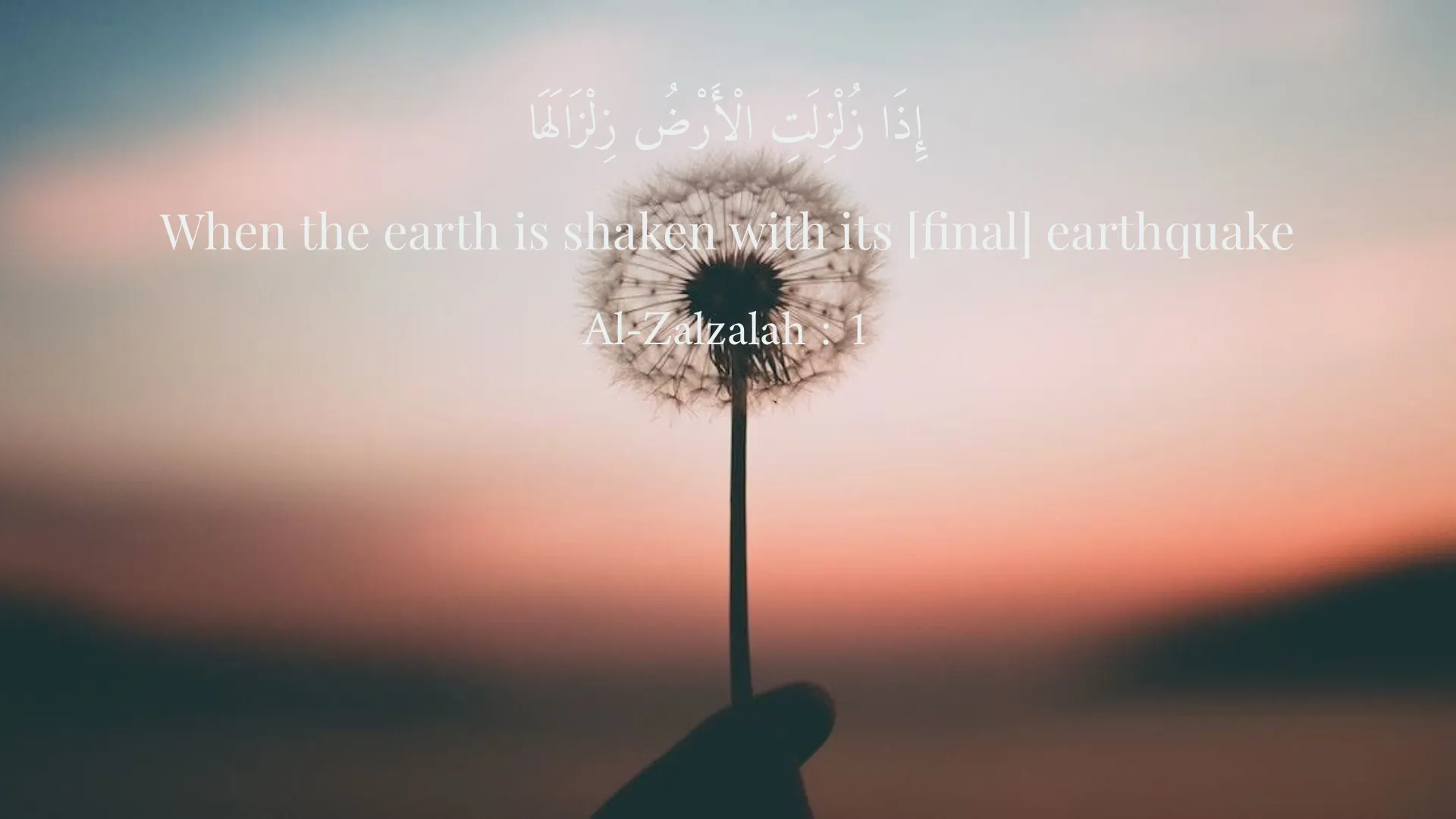
The Holy Quran serves as a timeless guide, offering insights into morality, spirituality, and the significance of one's actions in life. Among the core tenets emphasized in the Quran is the importance of performing good deeds. Allah, the Almighty, not only encourages righteousness but acknowledges that even the smallest acts of kindness hold immense significance in His eyes. This article will delve deeper into the Quranic verses that highlight the value of good deeds and how they can shape one's fate in the hereafter. In Surah Al-Zalzalah (Surah 99), Allah unveils the monumental events that will unfold on the Day of Judgment. The verse states: 'When the earth is shaken with its [final] earthquake (1) And the earth discharges its burdens' (2). Here, the earth is depicted as a witness to human action, hinting at an accountability that extends far beyond the temporal life. The imagery of the earth discharging its burdens signifies that all our deeds, both good and bad, will be laid bare to scrutiny. This sobering notion serves as a reminder that even the actions we deem minor are recorded and valued. It is crucial for believers to realize that on that inevitable day, every good deed, no matter how insignificant it might seem in our eyes, will be revealed. This acknowledgment encourages a continuous effort towards goodness, impelling individuals to engage in acts of kindness and compassion without underestimating their potential impact. Furthermore, in Surah Ta-Ha, verse 112, Allah emphasizes the connection between faith and righteous deeds. He states: 'Indeed, those who have believed and done righteous deeds will have the Gardens of Paradise as a lodging.' This profound affirmation illustrates the divine promise that faith is intrinsically linked to action. Here, Allah assures the believers that not just faith alone, but the combination of faith and virtuous actions leads to eternal reward in Paradise. This dual aspect of belief serves as a catalyst for individuals to not only nurture their faith but to demonstrate it through their actions. In essence, faith must translate into tangible deeds that reflect the values and principles laid down in the Quran. Those who actively strive to embody these values are reassured of a place in the Gardens of Paradise, thereby interlinking their earthly endeavors with divine approval. Moreover, the Quran elaborates on the concept of the rewards associated with good deeds in an encouraging manner. In Surah Al-Baqarah, verse 261, Allah poignantly states: 'The example of those who spend their wealth in the way of Allah is like a seed of grain that sprouts seven ears; in every ear, there are a hundred grains.' This metaphor eloquently highlights the exponential return on investment one will receive for their charitable actions. Here, generosity is likened to planting a seed, which can yield significant rewards as a result of sincere charitable acts, implying that every small donation or act of kindness can culminate in greater rewards from Allah. The intricate relationship between good deeds and their rewards in the hereafter is underscored by this verse, urging individuals to engage in benevolence and support for one another. The simple acts of kindness that one might carry out day-to-day have tremendous value in the eyes of Allah. From offering a smile to someone in need, helping an elderly person cross the street, or extending forgiveness, these minor yet meaningful deeds contribute to a larger tapestry of strength in community and faith. Each act performed, regardless of its perceived size or importance, becomes part of a divine calculus that reinforces our place in the cosmos and asserts our existence beyond our immediate lives. The reminder from the Quran that even the smallest deed is valued draws attention to human dignity, the collective responsibility we share to uplift one another, and the interconnectedness of our actions. When believers internalize this message, they not only commit to a pathway of goodness for personal reward but also contribute positively to their communities and the world at large. In concluding thoughts, Allah's teachings in the Quran encourage us to recognize and appreciate the weight our actions carry. The concept that each good deed, no matter how trivial it appears, is recorded and rewarded tells us that our everyday choices matter. Allah's depiction of the Day of Judgment as an event where our deeds are exhibited lays the groundwork for a conscientious approach to life, urging individuals to consistently strive for goodness and contribute positively to their surroundings. We understand that the oblation of our wealth, time, or effort is not merely an act of charity but a stepping stone toward divine proximity. The Quran, thus, enshrines the value of performing good deeds, continually reminding us of their importance not just for worldly life but as a sustainable pathway to Paradise. Let this serve as an ongoing motivation for all believers to embody and advocate for kindness, compassion, and generosity as a way of life.
Related Verses
إِذَا زُلْزِلَتِ الْأَرْضُ زِلْزَالَهَا
When the earth is shaken with its [final] earthquake
Al-Zalzalah : 1
إِنَّ الَّذِينَ آمَنُوا وَعَمِلُوا الصَّالِحَاتِ لَهُمْ جَنَّاتُ الْفِرْدَوْسِ نُزُلًا
Indeed, those who have believed and done righteous deeds will have the Gardens of Paradise as a lodging.
Ta-Ha : 112
مَثَلُ الَّذِينَ يُنفِقُونَ أَمْوَالَهُمْ فِي سَبِيلِ اللَّهِ كَمَثَلِ حَبَّةٍ أَنبَتَتْ سَبْعَ سُنبُلَاتٍ فِي كُلِّ سُنبُلَةٍ مِّئَةُ حَبَّةٍ ۗ وَاللَّهُ يُضَاعِفُ لِمَن يَشَاءُ
The example of those who spend their wealth in the way of Allah is like a seed of grain that sprouts seven ears; in every ear, there are a hundred grains.
Al-Baqarah : 261
Short Story
On an ordinary day, a middle-aged man was heading to the mosque to pray. On his way, he saw someone sitting on the street asking for money. Even though he didn't have much himself, he gave a small coin to that person and felt that he had done a good deed. This small act of kindness is very valuable in the eyes of Allah, and he will remember this good deed on the Day of Judgment.