Quranic Answer
The Holy Quran, a central religious text of Islam, serves as a profound manual for Muslims, guiding them through various aspects of life. Among these teachings, the importance of prayer (Salah) stands out significantly, particularly the virtue of praying not just for oneself but also for others. This practice is deeply embedded in Islamic tradition and is regarded as a pathway to strengthen one's connection with Allah (God) and to cultivate a sense of community and compassion among believers. Prayer in Islam is much more than a ritual; it is a heartfelt communication with Allah. Muslims are taught that through prayer they can express their hopes, fears, and gratitude. Along with personal supplications, praying for others is highly encouraged. It embodies the spirit of altruism, emphasizing the importance of communal bonds within the Ummah (Muslim community). In Surah Al-Mu'minun, verse 60, Allah states: "And those who say, 'Our Lord, grant us from among our wives and offspring comfort to our eyes and make us an example for the righteous.'" This verse not only reflects the desire of believers to seek solace and beauty in their family life but also highlights their awareness of the significance of praying for others. Such prayers signify a wish for collective well-being, showcasing how the well-being of one’s family is intertwined with the righteousness of the community. This prayer is a manifestation of the hope for virtue and piety in future generations. Furthermore, prayer in Islam extends beyond the familial sphere to encompass the entire community. In Surah Ghafir, verse 55, Allah commands: "So seek forgiveness of your Lord and then repent to Him. Indeed, my Lord is Merciful and Affectionate." This verse not only encourages individual repentance but also hints at the holistic nature of seeking forgiveness. When Muslims ask for forgiveness for themselves, they are implicitly encouraged to also intercede for others, thus fostering an environment of mercy and compassion. The Prophet Muhammad (peace be upon him) further emphasized the importance of praying for others through various hadiths (recorded sayings). One such narration states, "When a believer prays for his brother or sister in their absence, an angel is appointed to say, 'And for you the same.'" This profound statement underlines a reciprocal relationship between community members. When one prays for another, not only does that person receive divine mercy, but the individual making the supplication is granted similar blessings. This reciprocal nature of prayer enhances communal bonds and reinforces the notion that individual spiritual growth is intertwined with collective welfare. The significance of prayer for others is also manifested during communal prayers, such as during Jummah (Friday prayers) and Eid prayers. These gatherings are not merely rituals but are opportunities for the entire community to come together in supplication, seeking forgiveness and blessings not only for themselves but for the entire Ummah. This collective endeavor reinforces the importance of unity, empathy, and shared values among Muslims. Additionally, the act of praying for others carries profound psychological and spiritual benefits. When a believer prays for someone else, it instills a sense of purpose and cultivates positive emotions. It shifts the focus away from one’s personal struggles, fostering a spirit of generosity and kindness. This action can serve as a powerful reminder of the interconnectedness of humanity, as one recognizes that everyone faces challenges and that through prayer, one can contribute to alleviating the sufferings of others. Moreover, praying for others can have tangible effects on the lives of individuals. Numerous anecdotes and testimonies illustrate situations where individuals have experienced positive changes or healing following community prayers. This phenomenon reiterates the belief in the transformative power of prayer and its potential to enact change in lives and circumstances. In contemporary practice, many Muslims engage in collective acts of prayer for loved ones who are ill, distressed, or facing hardships. Whether through organized prayer circles, communal gatherings, or even social media platforms where people share their prayer requests, the tradition of praying for others continues to thrive. It is a manifestation of hope, solidarity, and mutual support, reflecting the core values of compassion and care embedded in Islam. Furthermore, the emphasis on praying for others transcends the boundaries of religion and touches the hearts of many who strive for a more benevolent world. It teaches empathy and encourages individuals to recognize and respond to the needs of their fellow human beings, irrespective of their status or faith. By fostering a culture of care within the community, the spirit of praying for others can pave the way for more inclusive environments, promoting peace and harmony. As Muslims navigate the complexities of modern society, the timeless teachings of the Quran regarding prayer serve as powerful reminders of the need for personal and communal responsibility. The importance of praying for others is not merely a gendered, family-oriented duty but a universal principle that embodies the essence of altruism in Islam. Through prayer, believers strengthen their bonds with one another and with Allah, leading to divine blessings and mercy flowing throughout the community. In conclusion, the Quran and the teachings of Prophet Muhammad espouse the profound importance of prayer, particularly in the context of praying for others. This act of devotion holds immense significance in establishing communal ties, fostering empathy, and seeking divine blessings. By embracing and practicing this virtue, Muslims not only fortify their personal faith but contribute positively to the larger fabric of society. Thus, the act of praying for others transcends mere ritualism, evolving into a powerful tool for healing, connection, and divine grace, exemplifying the merciful and affectionate nature of Allah towards His creation.
Related Verses
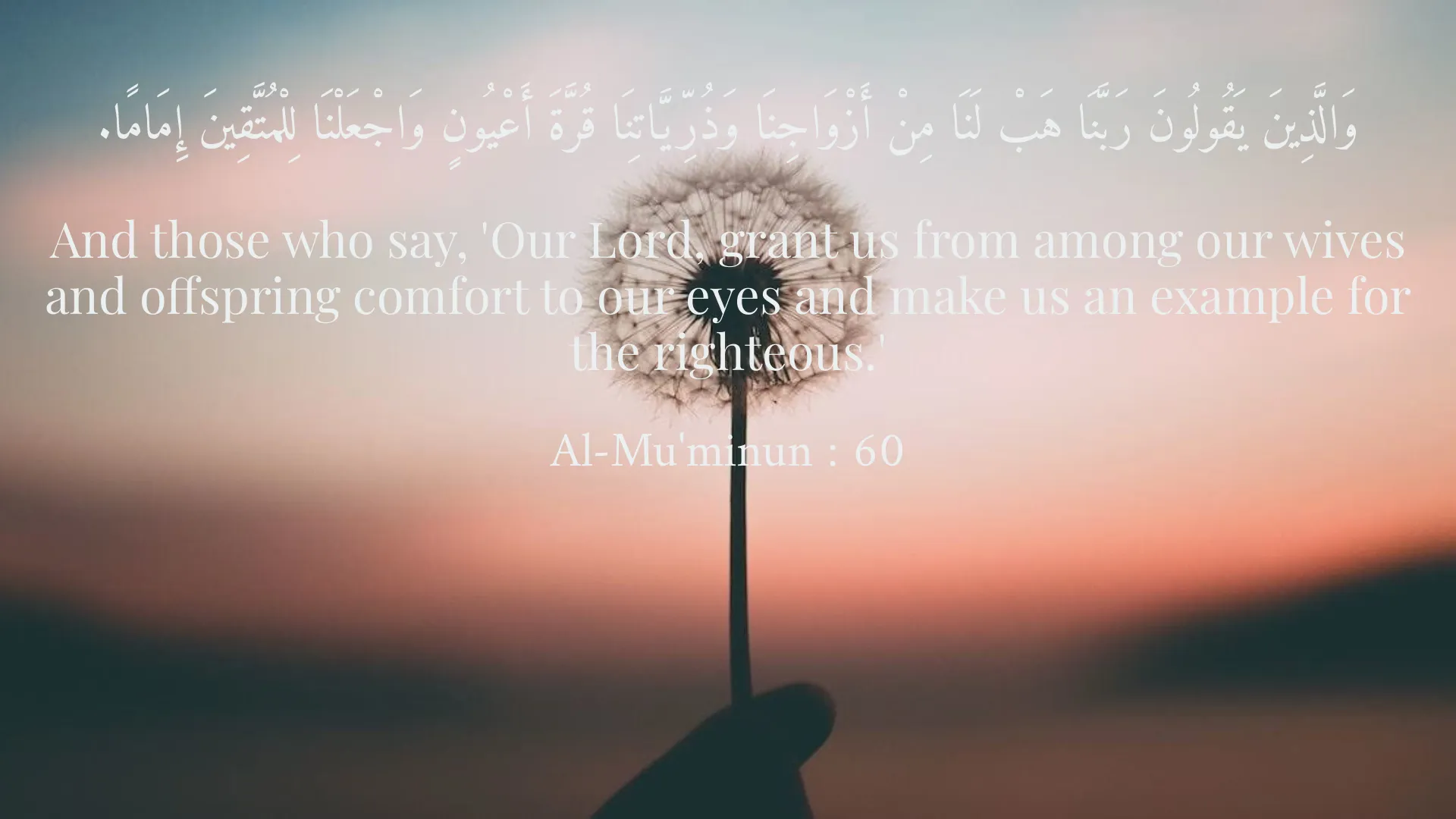
وَالَّذِينَ يَقُولُونَ رَبَّنَا هَبْ لَنَا مِنْ أَزْوَاجِنَا وَذُرِّيَّاتِنَا قُرَّةَ أَعْيُونٍ وَاجْعَلْنَا لِلْمُتَّقِينَ إِمَامًا.
And those who say, 'Our Lord, grant us from among our wives and offspring comfort to our eyes and make us an example for the righteous.'
Al-Mu'minun : 60
فَاسْتَغْفِرُوا لِرَبِّكُمْ ثُمَّ تُوبُوا إِلَيْهِ إِنَّ رَبِّي رَحِيمٌ وَدُودٌ.
So seek forgiveness of your Lord and then repent to Him. Indeed, my Lord is Merciful and Affectionate.
Ghafir : 55
Short Story
One day, a man decided to pray for his friends and family. He prayed for their well-being every day and noticed that everyone's lives improved. This experience reminded him that praying for others not only helps them but also brings peace to himself.