Quranic Answer
In the Holy Quran, the love of God is described as one of the most profound blessings bestowed upon His creatures. This immense love serves as a guiding light for believers, providing them with solace, direction, and hope in their daily lives. However, a pressing question arises concerning the extent to which human sins can impede or dissolve this divine love. The Quran elaborates on the relationship between God's love and human conduct, emphasizing that His mercy and grace are continuously available for those who seek it in repentance. According to various verses in the Quran, God's love towards His servants is intricately linked to their faith and obedience. It is evident from Surah Al-Baqarah, verse 165, which states, 'And of the people are some who take other than Allah as equals [to Him]. They love them as they should love Allah.' This verse underscores a fundamental aspect of Islamic belief—the notion that the love for Allah must surpass all other forms of affection. It suggests that any love that diverts believers away from their Creator is misplaced and can hinder one's relationship with God. Furthermore, the Quran teaches that sins can create a barrier between humans and divine mercy. This perspective is essential as it reinforces the idea that while God’s love is always present, human actions, particularly sins, can lead to a distancing from that love. The Quran addresses this point with profound clarity, encouraging believers to seek repentance and aim for righteousness despite their shortcomings. For instance, in Surah Az-Zumar, verse 53, it is stated, 'Say, O My servants who have believed, fear your Lord. For those who do good in this world is good, and the earth of Allah is spacious. Indeed, the patient will be given their reward without account.' This verse emphasizes that God is not only aware of the efforts believers put forth but that He is also graciously waiting for them to return to Him. The theme of repentance is prevalent throughout the Quran, indicating that no matter how far a person strays due to their sins, the door of mercy remains open. Repentance, or 'Tawbah,' is highlighted as a significant act that cleanses one from sins and brings them back into the fold of God’s love. This process involves acknowledging one’s mistakes, feeling sincere remorse, and making a commitment to change one’s behavior. It signifies a pivotal transition where the sinner transforms into a seeker of God’s guidance and love. Moreover, it is important to perceive God's love not as ephemeral or easily lost due to sinful behavior; rather, it is an invitation to reform and realign oneself with the path that leads to righteousness. The Quran continually encourages believers to foster their relationship with Allah through consistent worship, sincerity in intent, and the striving for good deeds. These actions are seen as means to cultivate a genuine connection with the Divine, illustrating that love is reciprocal—while God loves those who obey Him, He also desires a loving and faith-filled response from His servants. In the teachings of Islam, the notions of sin and repentance are not meant to condemn individuals but to provide a framework for self-improvement and spiritual growth. The Quran acknowledges human imperfection, recognizing that everyone is prone to error; yet, it continuously emphasizes the importance of returning to God. This return is not merely about seeking forgiveness for misdeeds; it is also about rekindling one’s relationship with their Creator. The symbolism of God’s love throughout the Quran serves as a reminder that despite the human inclination towards wrongdoing, divine love remains steadfast and unchanging. In various traditions and teachings applicable to believers, it is stated that God's mercy encompasses all things, and His love signifies a compassionate invitation for growth and healing. The Quran states that, 'And My Mercy encompasses all things' (Surah Al-A’raf, 156), reinforcing the belief that irrespective of one’s past actions, the opportunity for redemption is always accessible. This divine mercy shines brightest in the moments of one’s moral struggle, offering guidance and encouragement to strive towards goodness. Ultimately, the balance between divine love and human accountability reiterates that while sins may create a distance from His mercy, it is our sincere efforts in seeking forgiveness that restore that closeness. Furthermore, the portrayal of God's love encourages believers to approach their faith with hope rather than despair. The Quran does not present a picture of a vengeful God waiting to punish sinners but rather a loving and just Creator who wishes for His servants to seek His grace and return to Him. This narrative instills a sense of peace and reassurance among followers, motivating them to pursue a path that aligns with the divine will. In conclusion, while it is true that sins can act as barriers to experiencing God's love and mercy, it is equally vital to understand that they do not negate God's love entirely. The qualities of God's love are such that they invite repentance and continuous efforts towards reform. The Quran, as a guide for humanity, beautifully encapsulates the essential relationship between divine love, human sin, and the pursuit of forgiveness. Therefore, believers are encouraged to engage in self-reflection, acknowledge their slip-ups, and strive towards paths that foster a deeper connection with their Creator, thereby manifesting the profound mercy that characterizes divine love. In the realm of faith, this understanding creates a robust framework for individuals to maintain hope in God's everlasting love, regardless of their imperfections.
Related Verses
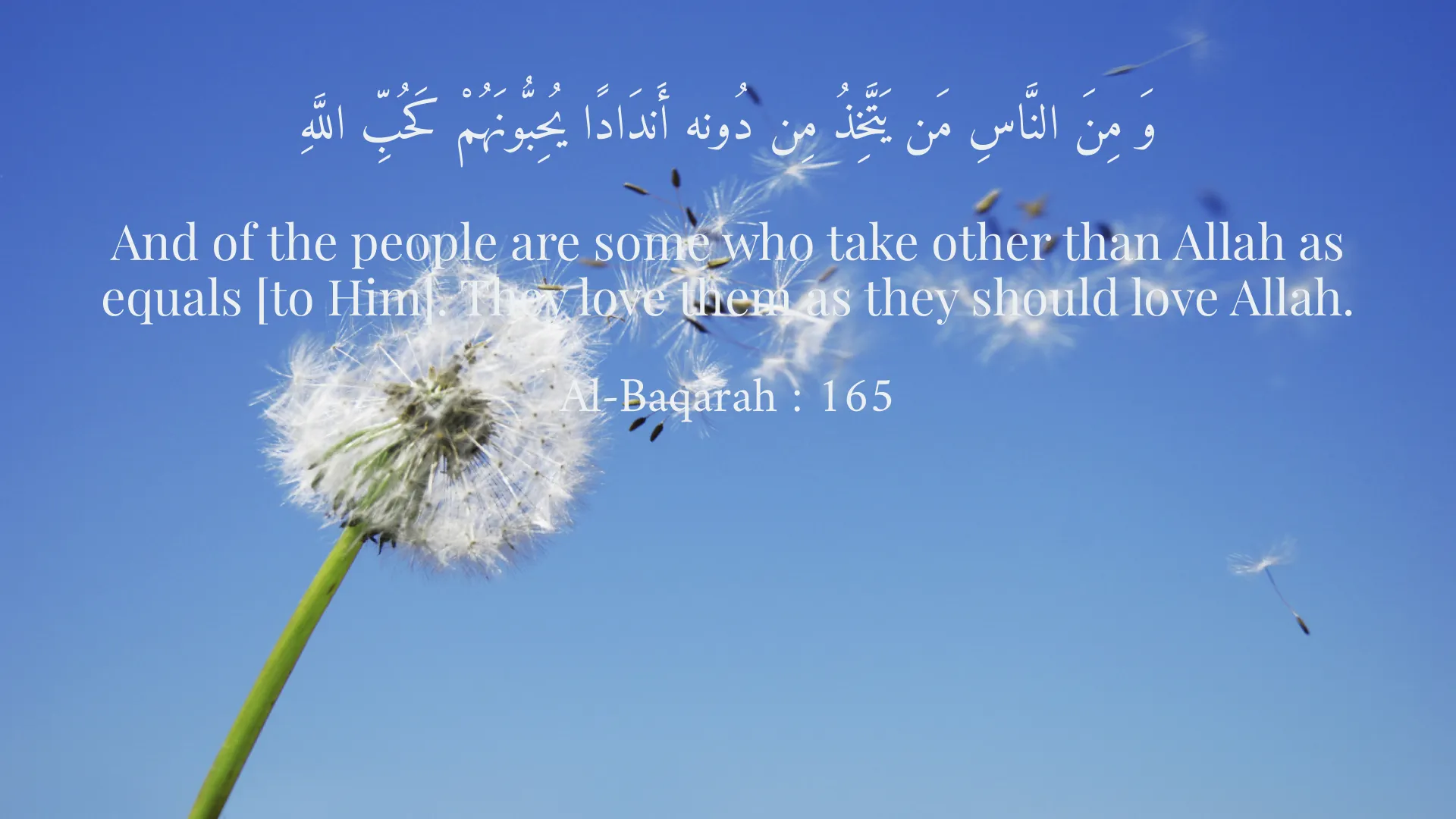
وَ مِنَ النَّاسِ مَن يَتَّخِذُ مِن دُونه أَندَادًا يُحِبُّونَهُمْ كَحُبِّ اللَّهِ
And of the people are some who take other than Allah as equals [to Him]. They love them as they should love Allah.
Al-Baqarah : 165
قُلْ يَاعِبَادِيَ الَّذِينَ آمَنْتُمْ اتَّقُوا رَبَّكُمْ ۖ لِلَّذِينَ أَحْسَنُوا فِي هَذِهِ الدُّنْيَا حَسَنَةٌ ۖ وَأَرْضُ اللَّهِ وَاسِعَةٌ ۖ إِنَّمَا يُوَفَّى الصَّابِرُونَ أَجْرَهُمْ بِغَيْرِ حِسَابٍ
Say, O My servants who have believed, fear your Lord. For those who do good in this world is good, and the earth of Allah is spacious. Indeed, the patient will be given their reward without account.
Az-Zumar : 53
Short Story
One day, a man named Ahmad felt remorse for his sins and sought a path to salvation. He decided to go to the mosque and pray there. When he was in prostration, he felt that God's love and mercy were closer to him. After that, with a sincere repentance, Ahmad began a new life and realized that with true faith and love for God, one could compensate for sins.