Quranic Answer
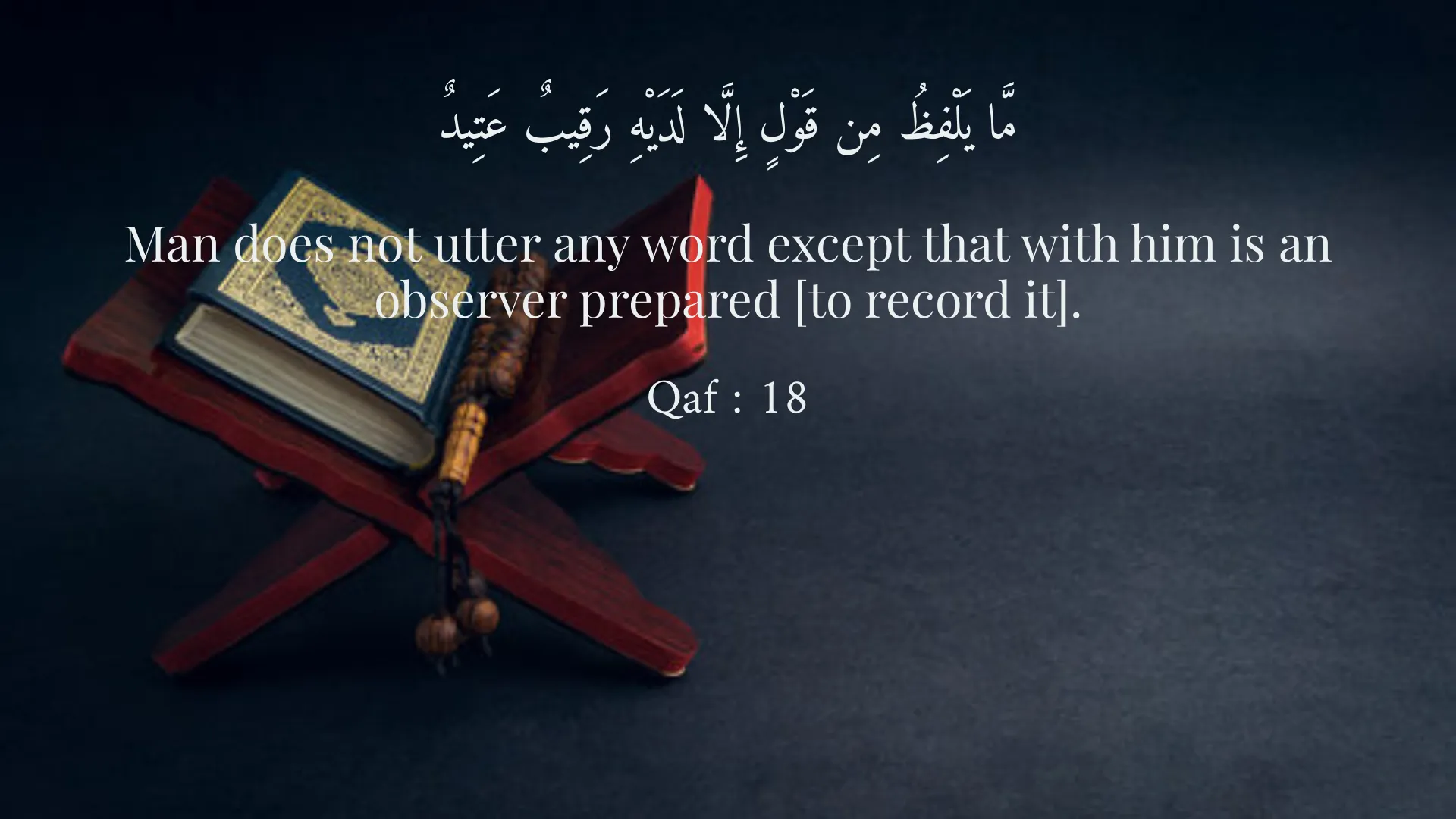
The Holy Quran, while not explicitly using the modern Western term “freedom of speech” as understood in contemporary discourse, extensively addresses the themes of communication, expression, and individual and societal responsibility in speech. The Quranic perspective on expression is not one of absolute, unrestricted freedom, where anyone can say anything they wish. Instead, it is a liberty coupled with profound ethical, moral, and divine responsibilities and frameworks. In essence, the Quran emphasizes “responsible speech” – an articulation whose purpose is to reform, guide, spread truth, establish justice, and prevent corruption, evil, and discord. This accountability in speech is a fundamental pillar of Quranic ethics, which holds individuals answerable not only for their actions but also for their words. One of the most fundamental principles highlighted by the Quran is truthfulness and sincerity in speech. The Quran explicitly calls upon believers in numerous verses to speak the truth and to avoid falsehood, slander, and baseless claims. Truthful and righteous speech is the foundation of a sound Islamic society. For instance, in Surah Al-Ahzab (33:70), Allah says: “O you who have believed, fear Allah and speak words of appropriate justice.” (Arabic: “يَا أَيُّهَا الَّذِينَ آمَنُوا اتَّقُوا اللَّهَ وَقُولُوا قَوْلًا سَدِيدًا”). This verse clearly indicates that human discourse must be firm, truthful, and free from any distortion or deviation. Furthermore, bearing witness to the truth, even if it is against oneself or one's close relatives, is another Quranic injunction found in Surah An-Nisa (4:135): “O you who have believed, be persistently firm in justice, witnesses for Allah, even if it be against yourselves or parents and relatives...” These verses lay the foundation for freedom of expression upon truth and justice, distinguishing it from chaos or recklessness. Conversely, the Quran strongly prohibits harmful speech, slander, backbiting, and mockery. Freedom of speech, from an Islamic perspective, does not mean permission for any kind of talk that causes harm, violates dignity, or injures others. These restrictions are essential not only for preserving individual dignity but also for maintaining peace and solidarity within the Muslim community. In Surah Al-Hujurat (49:12), Allah says: “O you who have believed, avoid much [negative] assumption. Indeed, some assumption is sin. And do not spy or backbite each other. Would one of you like to eat the flesh of his brother when dead? You would detest it. And fear Allah; indeed, Allah is Accepting of repentance and Merciful.” This verse severely condemns backbiting, equating it to consuming the flesh of one's deceased brother, indicating the grave nature of this act. Similarly, in Surah Al-Hujurat (49:11), mocking, taunting, and finding fault with others are forbidden. These prohibitions underscore the heavy responsibility of words and their profound impact on the dignity and honor of individuals and the overall peace of society. Divisive speech, baseless rumors, and anything that causes discord or corruption on earth are strongly condemned in the Quran. Accountability for what is said is a central tenet of Quranic teachings. The Quran explicitly states that every word uttered by a human being is recorded and that individuals will be held accountable for it. In Surah Qaf (50:18), it states: “Man does not utter any word except that with him is an observer prepared [to record it].” (Arabic: “مَا يَلْفَظُ مِن قَوْلٍ إِلَّا لَدَيْهِ رَقِيبٌ عَتِيدٌ”). This verse implies that every word spoken has consequences, and individuals will be held answerable for them in their afterlife. This perspective differentiates freedom of speech from absolute license, placing it within an ethical and divine legal framework. One must reflect on the consequences and outcomes of their words, both in this world and the hereafter, and refrain from speech that leads to sin or harm. The Quran also attaches special importance to the manner and tone of speech. Gentle and good words are considered characteristics of believers. In Surah Taha (20:44), Moses and Aaron are commanded to speak to Pharaoh with “gentle words” (Arabic: “قولاً ليّناً”), despite Pharaoh’s tyranny and claims of divinity. This demonstrates that even when confronting oppressors and adversaries, the manner of expression should be wise, gentle, and compassionate to achieve greater impact and not eliminate the possibility of guidance. In Surah Al-Baqarah (2:83), believers are enjoined to “speak to people good words” (Arabic: “قولوا للناس حسناً”). These directives emphasize the importance of politeness, respect, compassion, and avoiding insults and vulgarity in discourse, thereby subjecting freedom of speech to ethical and human principles. The only exception for “public mention of evil” (Arabic: “الجهر بالسوء من القول”) is for the oppressed, whom Allah permits to speak out against their oppressors and complain (An-Nisa 4:148). The concept of enjoining good and forbidding evil (Amr bil Ma'ruf wa Nahi anil Munkar) is also intertwined with the responsibility of speech. Believers are obliged to invite people to goodness and deter them from evil through their words and actions (Ali ‘Imran 3:104). This is a form of “freedom of expression” aimed at promoting the well-being of society, but it must always adhere to wisdom, good counsel, and the best manner of argumentation (An-Nahl 16:125). This means expressing truth and inviting to righteousness should be done with the best methods and logic, not with aggression, insult, or division. This illustrates that speech can be a powerful tool for social reform, but this tool must be used with precision and responsibility. In summary, the Quran promotes a “responsible freedom of speech” where individuals are permitted to express their opinions and thoughts, provided that they: 1. Always speak the truth and avoid lies, slander, and rumor-mongering. 2. Ensure their speech is accompanied by justice and fairness, causing no harm to anyone. 3. Abstain from backbiting, slander, mockery, and any form of harmful speech. 4. Speak with a good and respectful tone, avoiding harshness and vulgarity. 5. Aim to promote good, guidance, and reform through their expression, not corruption, discord, or division. 6. Are accountable for every word they utter, knowing that their words are recorded in their book of deeds. This Quranic framework for expression, instead of limiting freedom, elevates and directs it to be a tool for individual and societal growth and for establishing peace and justice in the world, rather than a means for destruction and spreading falsehood.
Related Verses
مَّا يَلْفِظُ مِن قَوْلٍ إِلَّا لَدَيْهِ رَقِيبٌ عَتِيدٌ
Man does not utter any word except that with him is an observer prepared [to record it].
Qaf : 18
يَا أَيُّهَا الَّذِينَ آمَنُوا اجْتَنِبُوا كَثِيرًا مِّنَ الظَّنِّ إِنَّ بَعْضَ الظَّنِّ إِثْمٌ ۖ وَلَا تَجَسَّسُوا وَلَا يَغْتَب بَّعْضُكُم بَعْضًا ۚ أَيُحِبُّ أَحَدُكُمْ أَن يَأْكُلَ لَحْمَ أَخِيهِ مَيْتًا فَكَرِهْتُمُوهُ ۚ وَاتَّقُوا اللَّهَ ۚ إِنَّ اللَّهَ تَوَّابٌ رَّحِيمٌ
O you who have believed, avoid much [negative] assumption. Indeed, some assumption is sin. And do not spy or backbite each other. Would one of you like to eat the flesh of his brother when dead? You would detest it. And fear Allah; indeed, Allah is Accepting of repentance and Merciful.
Al-Hujurat : 12
يَا أَيُّهَا الَّذِينَ آمَنُوا اتَّقُوا اللَّهَ وَقُولُوا قَوْلًا سَدِيدًا
O you who have believed, fear Allah and speak words of appropriate justice.
Al-Ahzab : 70
لَّا يُحِبُّ اللَّهُ الْجَهْرَ بِالسُّوءِ مِنَ الْقَوْلِ إِلَّا مَن ظُلِمَ ۚ وَكَانَ اللَّهُ سَمِيعًا عَلِيمًا
Allah does not like the public mention of evil except by one who has been wronged. And ever is Allah Hearing and Knowing.
An-Nisa : 148
Short Story
It is narrated that a king once asked a wise man: “Among all that humans utter, what is the best speech and what is the worst?” The wise man replied: “The best speech is that which contains truth and leads to the well-being and righteousness of people. And the worst is talk that is mixed with lies and slander, bringing forth nothing but discord and harm.” The king then asked: “Is there ever a speech that appears truthful, yet is more dangerous than any lie?” The sage answered: “Indeed, that speech which seems true, but the speaker’s intention is merely to hurt hearts and sow seeds of discord. For a lie can be exposed and a liar disgraced, but the venom of seemingly truthful words spoken with ill intent penetrates souls and demolishes foundations. Therefore, true freedom of expression lies in speaking what is born of wisdom and goodness, and for the common welfare, not out of envy or malice, nor to inflict harm.”