Quranic Answer
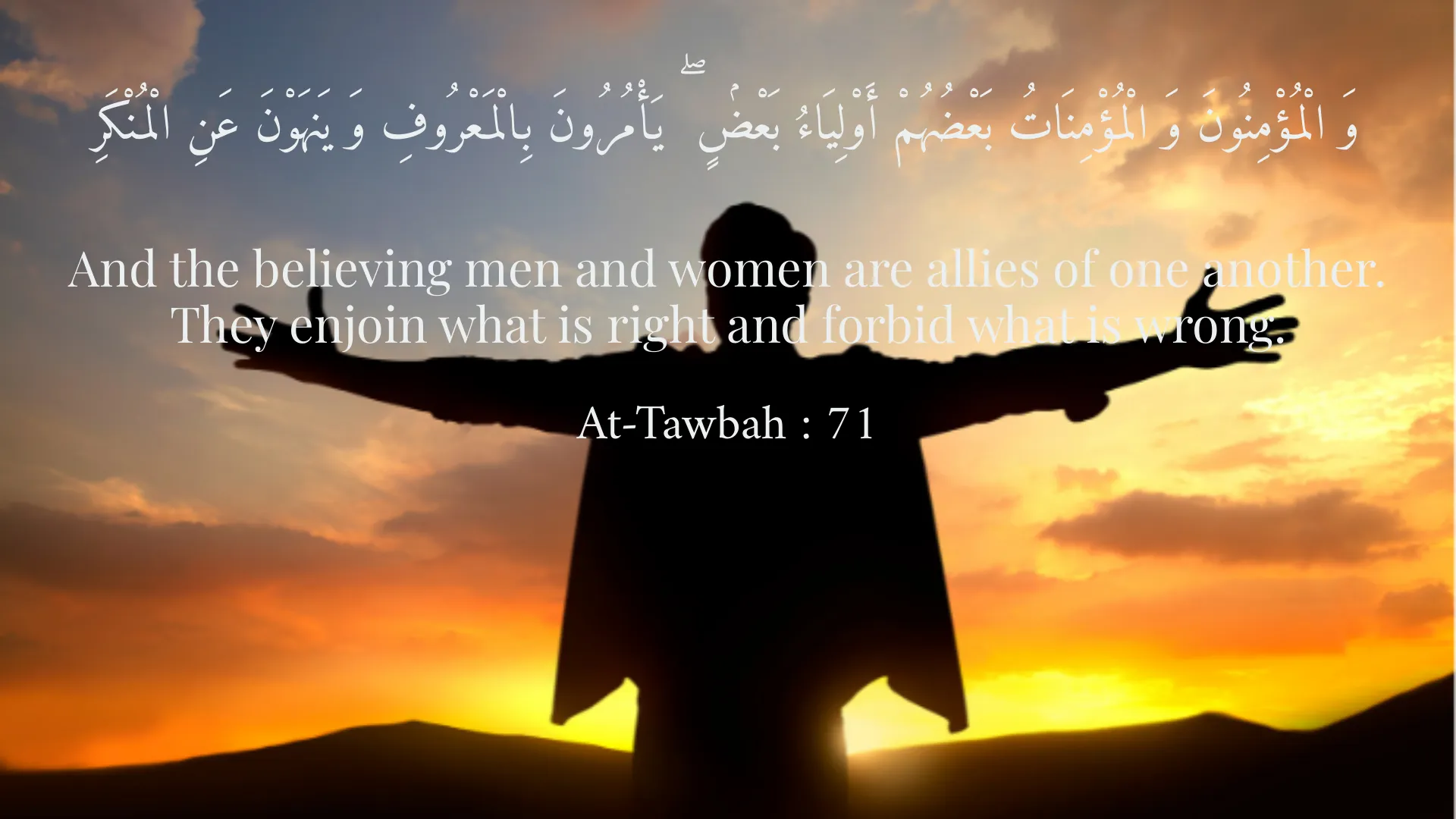
Friendship and social relationships are integral aspects of human existence. Across different cultures and societies, the bonds of friendship often help individuals to cope with life’s challenges and share joyous moments. The Holy Quran, which serves as a comprehensive guide for Muslims, explicitly addresses friendship and social bonds as fundamental elements that characterize a well-rounded life. Through its verses, the Quran advocates for nurturing positive relationships and fostering strong friendships that are rooted in shared values, mutual respect, and a commitment to righteousness. In this article, we will explore the significance of these Quranic teachings and how they can be applied in contemporary society. The Quran establishes a profound understanding of friendship and support among individuals. In Surah At-Tawbah, verse 71, Allah states, "And the believing men and women are allies of one another. They enjoin what is right and forbid what is wrong." This verse encapsulates the essence of mutual support among believers. The term 'allies' suggests that friendship in this context transcends casual acquaintanceship; it forms a network of support where individuals work alongside one another for the common good. This cooperation emphasizes a proactive stance towards morality and social justice, urging friends to not only engage in wholesome behavior but also to discourage wrongdoing. Such relationships deepen bonds among the faithful and strengthen communal ties, reinforcing a unified front against societal ills. Moreover, Surah Al-Hujurat, verse 10 elaborates further on this theme by stating, "The believers are but brothers." This highlights the notion of brotherhood as a foundation for friendship among believers. Friendship, according to the Quran, is steeped in familial love, respect, and collaboration. It portrays friends as brothers and sisters, suggesting that such relationships are profound and meaningful. In essence, the Quran emphasizes that the spirit of friendship should not be confined to mere social interactions, but should reflect an ethos of kinship and supportive solidarity. By framing friendships in this manner, believers are encouraged to nurture and uphold relationships that are characterized by compassion, understanding, and love. The Quran also provides guidance regarding the need for discernment in choosing friends. In a world filled with distractions and moral ambiguities, the Quran advises believers to be cautious about the company they keep. Good friendships can serve as a source of guidance, directing individuals towards the right path while instilling values that uphold integrity and faith. Conversely, associations with those who engage in negative behavior can lead one astray from the truth. The wisdom found in friendships forged through mutual respect and ethical behavior promotes not only personal growth but also contributes to the collective welfare of society. As such, believers are counseled to surround themselves with individuals who inspire righteousness and encourage them to adhere to their principles. A significant aspect of friendship in the Quran is the emphasis on virtues like sincerity, loyalty, and the importance of being there for one another during times of need. True friends, as depicted in the Quran, are those who provide emotional and spiritual support. The importance of being present during life's trials is highlighted in Surah Al-Ma’idah, verse 55, which states that only Allah and His Messenger, along with those who establish prayer and give zakat are allies. This illustrates how true companionship is not merely about shared experiences, but about uplifting one another in faith and through actions that benefit the community. In contemporary society, the teachings of the Quran about friendship remain relevant. In an age characterized by social media and digital interactions, understanding the essence of true friendship can help individuals navigate relationships more meaningfully. The sense of connection offered by social media often pales in comparison to genuine friendships built on the values emphasized in the Quran. Sincere friendships require effort, patience, and a willingness to engage deeply with another’s life, embracing both joys and sorrows. Additionally, modern challenges such as isolation, mental health issues, and societal fragmentation make the Quranic emphasis on friendship particularly valuable. Positive relationships foster support systems that can mitigate feelings of loneliness and despair. When individuals come together as allies, it cultivates a sense of belonging and community that is humanizing in an increasingly digital world. Furthermore, the Quran’s advice on avoiding negative influences is extremely pertinent in today's fast-paced environment. With the increasing prevalence of peer pressure and the lure of detrimental behaviors, the teachings of the Quran underscore the need for self-awareness and knowledge. Friends should inspire each other towards growth, helping one another resist negative temptations and encouraging adherence to a moral lifestyle. In conclusion, the Quran’s rich depiction of friendship promotes virtues that are indispensable for personal and communal development. Friendship, as portrayed in the Quran, is not a mere social construct, but a profound connection that fosters spiritual and emotional growth. The belief that believers are allies for one another emphasizes the importance of supporting each other in what is good. This bond of brotherhood enhances mutual respect and collaboration, fueling a collective pursuit of righteousness. Ultimately, by embracing the Quranic teachings on friendship, individuals can cultivate meaningful relationships rooted in shared values and ethical principles. As the world continues to grapple with complexities and challenges, these friendships will serve not only as a source of strength and encouragement but also as a means to build harmonious communities grounded in compassion and morality.
Related Verses
وَ الْمُؤْمِنُونَ وَ الْمُؤْمِنَاتُ بَعْضُهُمْ أَوْلِيَاءُ بَعْضٍۢ ۖ یَأْمُرُونَ بِالْمَعْرُوفِ وَ یَنهَوْنَ عَنِ الْمُنْکَرِ
And the believing men and women are allies of one another. They enjoin what is right and forbid what is wrong.
At-Tawbah : 71
إنما المؤمنون إخوة
The believers are but brothers.
Al-Hujurat : 10
Short Story
One day, two friends named Hassan and Mohsen were sitting in the street, discussing friendship and its significance. Hassan said, "True friendship is one that helps each other in tough times and guides one another on the right path." Mohsen, emphasizing the Quranic verses, responded, "Yes, we should strive to support each other in all stages of life and walk together towards goodness and truth." Thus, they decided to draw closer and strengthen one another in their journey of life and faith.