Quranic Answer
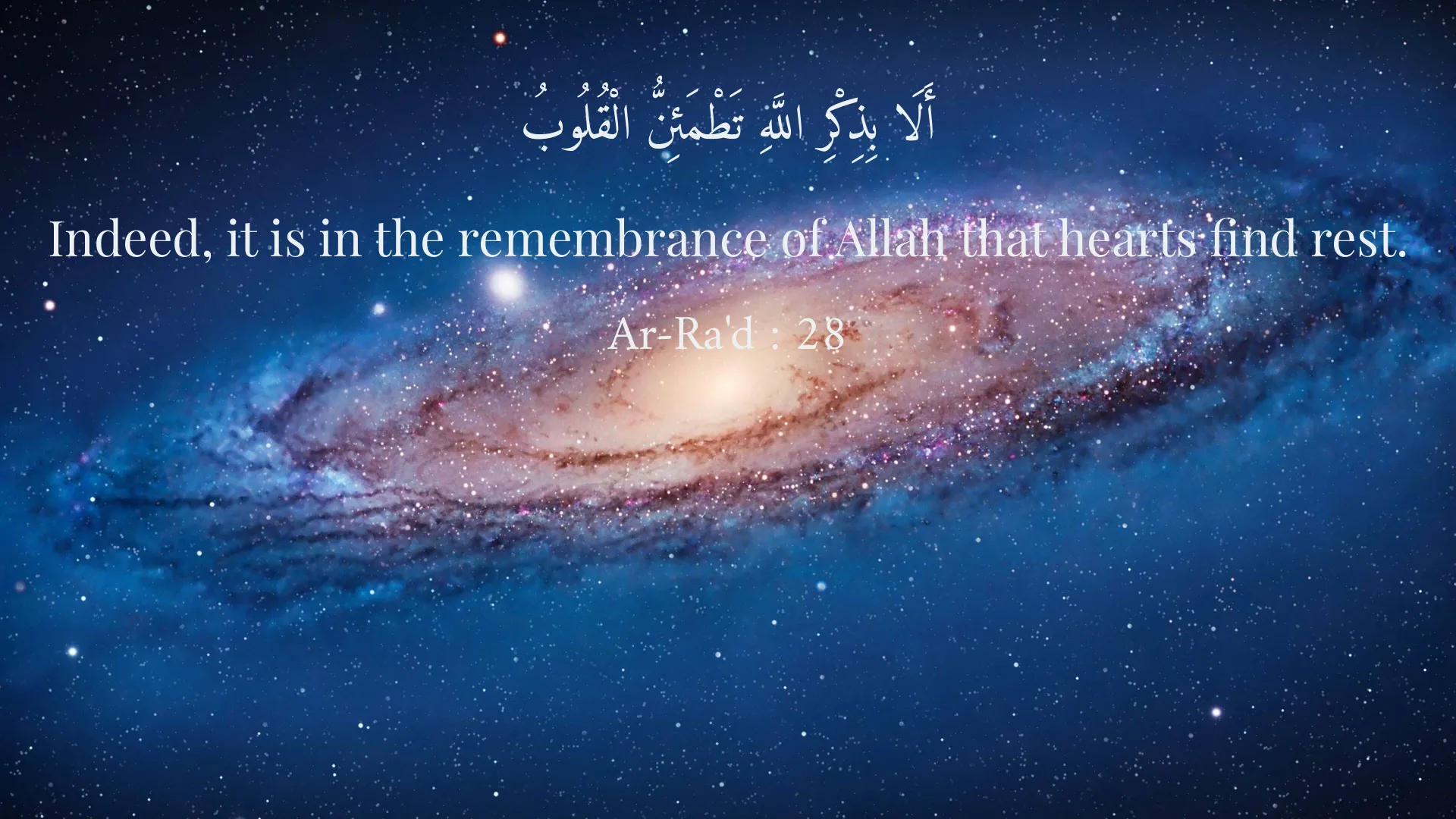
The quest for happiness is a timeless pursuit, transcending cultures, religions, and historical epochs. Throughout history, countless individuals have sought happiness through various means, often leading them to question the essence of true contentment. In this context, the Holy Quran, as a divine book and guide for humanity, addresses the topic of happiness in various verses, providing timeless wisdom that resonates with those in search of inner peace and joy. Understanding Happiness through the Lens of the Quran The Quran, regarded as the ultimate source of guidance for Muslims, provides valuable insights into what constitutes genuine happiness. Verses within this sacred text emphasize the importance of worship, remembrance of God, and righteous conduct as vital components of a fulfilled life. The challenge lies in interpreting these verses and integrating their teachings into daily life. One of the fundamental messages conveyed in the Quran is that true happiness is not found in material possessions or worldly accomplishments, but rather in the deep and meaningful connection one has with the Divine. The Peace Found in Remembrance of God In Surah Ar-Ra'd, verse 28, it is mentioned: "Indeed, it is in the remembrance of Allah that hearts find rest." This poignant verse serves as a reminder that tranquility and happiness in human life are dependent on remembering and being mindful of God. The repetitive nature of worldly distractions often diverts individuals from reflecting on their purpose and the divine presence in their lives. The Quran calls its readers to break free from this cycle and engage in the act of remembrance, suggesting that the rhythm of life should be punctuated by moments of spiritual reflection. The act of remembrance, or 'dhikr', fosters a sense of assurance and comfort, acting as an antidote to anxiety and restlessness. The chaotic nature of modern life, replete with immediate pressures and expectations, can often contribute to feelings of unease. In times of distress, individuals can find solace in turning their thoughts toward God. This connection can lead to a renewed perspective—one painted with hope, gratitude, and a sense of purpose. Thus, the Quran intricately links peace of mind with spiritual mindfulness, redefining happiness as a state achieved through faith and connection rather than external validation. Righteous Deeds as an Avenue to Happiness Further emphasizing the correlation between faith and well-being, Surah Luqman, verse 4 underscores that those who commit to faith and righteous deeds will receive a great reward. This verse points to the transformative power of ethical living and spiritual dedication. Happiness arises as a byproduct of embodying positive values, contributing to society, and achieving a sense of fulfillment through good actions. In pursuing righteousness, individuals often develop stronger relationships with others and foster a sense of belonging within their communities. By adhering to God’s commandments, individuals not only lead themselves toward personal happiness, but they also influence the fabric of their communities. A society thriving on mutual respect, generosity, and compassion inherently cultivates an environment conducive to happiness. The Quran's teachings promote a collective journey toward goodness—a shared pathway that emphasizes communal ties and communal joy. This communal perspective reinforces the idea that happiness extends beyond the confines of the self to encompass a more extensive connection with humanity. Materialism vs. Spiritual Fulfillment In contemporary society, many individuals erroneously equate happiness with material possessions, believing that the accumulation of wealth and status provides satisfaction. The Quran surgically separates true happiness from materialism, reminding believers that contentment emanates from within and from one's relationship with God. Surah Al-Anbiya, verse 47 articulates, "And We will set up a just balance on the Day of Resurrection, so no soul will be treated unjustly at all." This verse reinforces the idea that worldly success is fleeting, while divine justice serves as an everlasting truth. It urges individuals to focus on their moral and ethical choices rather than merely chasing transient material gains. By emphasizing divine principle over material wealth, the Quran invites believers to reflect on the nature of their pursuits. Happiness achieved through material gain tends to be superficial and temporary. In contrast, an enduring sense of joy comes from aligning one's actions with divine guidance, nurturing the soul, and cultivating character. It is this spiritual fulfillment that prevails in the afterlife, allowing individuals to find lasting contentment in the hereafter. A Blueprint for Genuine Happiness To attain genuine happiness, the Quran encourages us to cultivate a connection with God and focus on ethical and Islamic values. This comprehensive framework integrates the pursuit of inner peace with social harmony, addressing multiple dimensions of human experience. The Quran's approach to happiness is holistic, encompassing spiritual, moral, and communal responsibilities. Engaging in acts of worship, such as prayer (Salah), fasting (Sawm), charity (Zakah), and pilgrimage (Hajj), encourages believers to engage deeply with their spirituality. Such commitments create a well-rounded existence anchored in a divine purpose that nurtures the spirit and invigorates relationships. Moreover, the Quran encourages believers to revisit their priorities, challenge any tendencies toward selfishness, and foster a spirit of gratitude. By intentionally recognizing the blessings in their lives and expressing gratitude to God, individuals can reshape their perspectives about happiness. Conclusion In conclusion, the Quran's guidance on happiness transcends mere words; it serves as a transformative blueprint for living a purposeful and fulfilling life. Through the remembrance of God, a steadfast commitment to righteousness, and a conscious rejection of materialism, individuals can attain a profound sense of joy. The journey toward happiness is not solely an individual endeavor but a communal one that binds believers in collective values and respect for one another. Thus, the Quran not only addresses the heart's longing for happiness but also shapes a framework that guides humanity toward true joy, both in this life and the next. Ultimately, the quest for happiness, as illuminated by the teachings of the Quran, is an invitation to connect deeply with the Divine and to engage ethically within society.
Related Verses
أَلَا بِذِكْرِ اللَّهِ تَطْمَئِنُّ الْقُلُوبُ
Indeed, it is in the remembrance of Allah that hearts find rest.
Ar-Ra'd : 28
الَّذِينَ يُقِيمُونَ الصَّلَاةَ وَيُقَدِّمُونَ الزَّكَاةَ وَهُمْ بِالْآخِرَةِ هُمْ يُوقِنُونَ
Those who establish prayer and give zakah and of the Hereafter they are certain.
Luqman : 4
وَنُوَزِّنُ الْمَوَازِينَ الْقِسْطَ لِيَوْمِ الْقِيَامَةِ فَلَا تُظْلَمُ نَفْسٌ شَيْئًا
And We will set up a just balance on the Day of Resurrection, so no soul will be treated unjustly at all.
Al-Anbiya : 47
Short Story
Once upon a time, there was a man named Ahmad who was searching for happiness in his life. He kept looking for it every day but was never satisfied. One day, he visited a religious scholar and asked, "How can I be happy?" The scholar replied with a smile, "Ahmad, happiness lies in the remembrance of God; as long as you remember Him, your heart will find peace." With this advice, Ahmad decided to dedicate more time to worship and obedience to God, and gradually he found peace and happiness in his life.