Quranic Answer
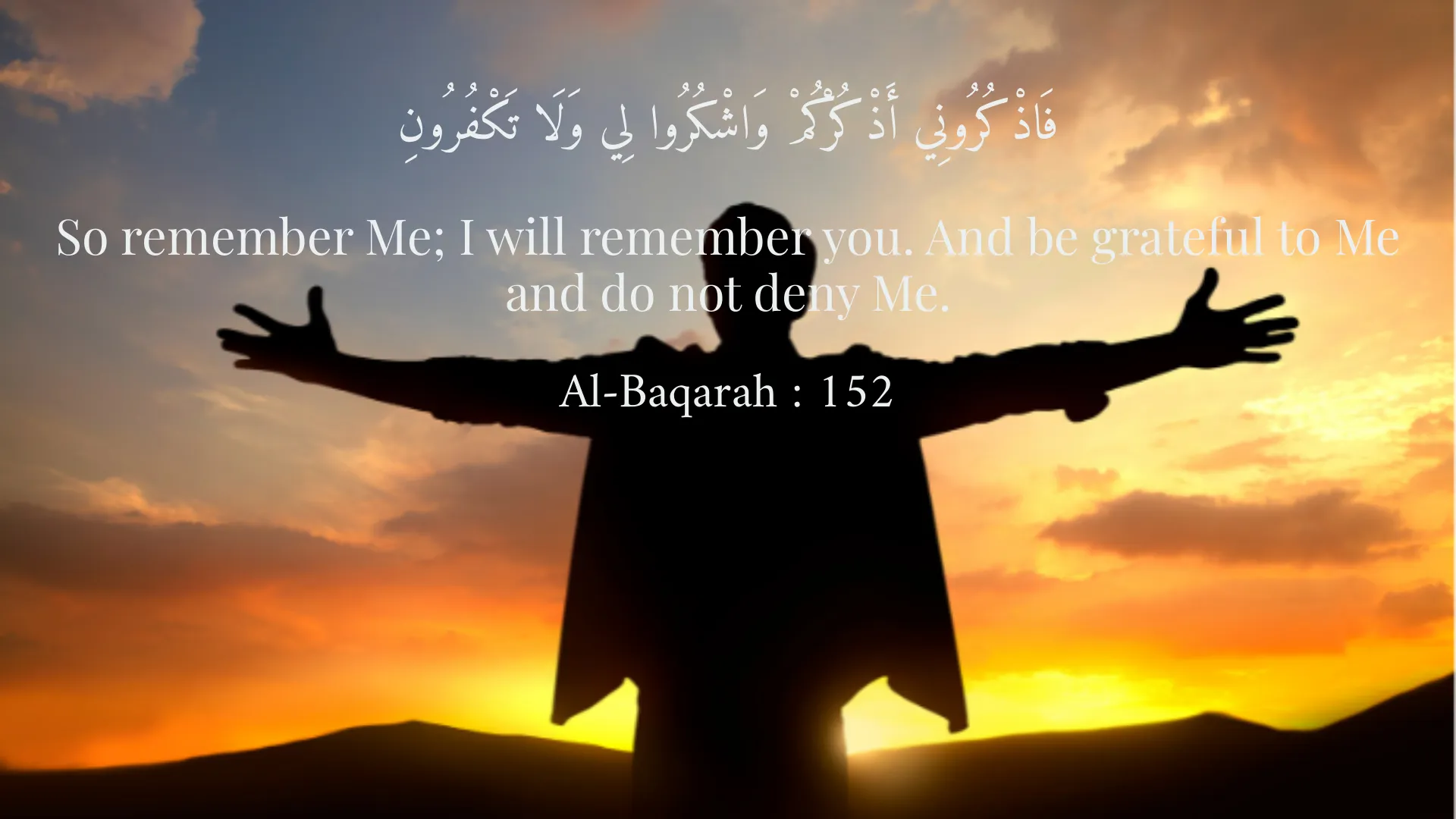
The Holy Quran, regarded as the literal word of God by Muslims, serves as a moral and spiritual guide for humanity, emphasizing the significance of gratitude and responsibility towards the blessings one possesses. Throughout its verses, the Quran addresses the relationship between the Creator and His creation, especially in how individuals perceive and respond to the material and spiritual gifts bestowed upon them. One such admonition to express gratitude is found in Surah Al-Baqarah, verse 152, where Allah commands His servants to give thanks and to keep His remembrance alive in their hearts. This verse underscores that gratitude is not merely a courteous acknowledgment of the favors received, but a profound duty reflecting the consciousness of divine gifts from Allah. Gratitude, in the context of Islamic theology, is intrinsically tied to one's faith. The act of thanking Allah becomes a part of worship, cultivating a heart filled with appreciation, and fostering a closer relationship with the Divine. As people recognize His bountiful provisions and kindness, they grow more mindful and spiritual. This is not just about material possessions, but also encompasses spiritual wealth, health, and the countless privileges humans often take for granted. It leads us to ponder on our life's purpose and the responsibilities that accompany our bounties. Furthermore, the significance of gratitude is explicitly reiterated in Surah Ibrahim, verse 7, where Allah states, 'If you give thanks, I will surely increase you [in favor]; but if you deny, indeed, My punishment is severe.' This divine promise indicates that gratitude is a catalyst for receiving additional blessings. The condition emphasized here is twofold—recognizing the gifts and expressing gratitude while being warned of the severity of denying such blessings. Herein lies the duality of human responsibility: the pleasure of increased favor for those who are thankful, and the stark reminder of the potential consequences for those who neglect such gratitude. In contemplating the essence of gratitude, we must consider the many forms it can take. Gratitude can manifest in spoken words of thanks, active participation in charitable deeds, kindness towards others, and maintaining faith through worship and prayer. Each act rooted in gratitude strengthens one’s connection with God and reflects an understanding of the interconnectedness of humanity. It positions believers not only as recipients of divine gifts but as custodians of those blessings—encouraged to utilize them wisely and generously. This establishes a framework for social responsibility within the community, ensuring that one’s fortunes also contribute positively to the lives of others. Moreover, in Surah Al-Mu'minun, verse 115, Allah questions His servants, 'Did you think that we created you in vain and that you would not be returned to Us?' This line brings a sobering profundity to the discourse on gratitude. It compels believers to reflect on their existence and purpose, serving as an awakening call to responsibility. The rhetorical question prompts individuals to consider not just the ephemeral nature of this life, but the eventual return to their Creator and the accountability that awaits. Such a perspective instills a sense of urgency regarding how one lives their life, prompting a conscious effort to express gratitude through deeds that align with divine expectations. The Quran's repeated emphasis on gratitude serves as a reminder of the bountiful provisions that individuals are constantly surrounded by—family, friends, health, and sustenance, to name a few. It urges humanity to maintain an attitude of thankfulness and awareness, as this not only draws one closer to God but also shapes one’s character and interactions with others. The practice of gratitude can lead to greater contentment, reduce feelings of greed, and engender a spirit of generosity, benefiting not just the individual but the broader community as well. As Muslims navigate life, they should strive to recognize their blessings not only as divine gifts to be cherished but also as responsibilities that enhance their relationship with Allah and serve as tools to aid those around them. In this light, gratitude transcends an internal acknowledgment; it becomes a powerful motivator for action. Recognizing one’s blessings leads to a greater sense of responsibility toward those in need, compelling individuals to partake in acts of charity and support for the less fortunate. Moreover, the communal aspect of gratitude highlights the interconnectedness of human beings. When individuals express gratitude through acts of service and kindness, they contribute to building a more compassionate and supportive society. This reinforces the utmost importance of understanding that one's position, however privileged, comes with the duty to uplift and assist others in their trials, thereby fostering empathy and solidarity. In conclusion, the teachings contained within the Quran regarding gratitude and the responsibilities that accompany one’s blessings lead individuals towards a deeper understanding of their existence, purpose, and the duties they owe to both their Creator and fellow human beings. Through the acknowledgment of gifts and the cultivation of a grateful heart, believers can live purposeful lives filled with meaning, compassion, and accountability. It is essential for Muslims to not only feel thankful for their blessings but to act upon that gratitude in practical and substantial ways, thereby fulfilling their responsibilities to their communities and reinforcing their faith in the process.
Related Verses
فَاذْكُرُونِي أَذْكُرْكُمْ وَاشْكُرُوا لِي وَلَا تَكْفُرُونِ
So remember Me; I will remember you. And be grateful to Me and do not deny Me.
Al-Baqarah : 152
لَئِن شَكَرْتُمْ لَأَزِيدَنَّكُمْ وَإِن كَفَرْتُمْ إِنَّ عَذَابِي لَشَدِيدٌ
If you are grateful, I will surely increase you [in favor]; but if you deny, indeed, My punishment is severe.
Ibrahim : 7
أَظَـنَنتُم أَنَّمَا خَلَقْنَـٰكُمْ عَبَثًۭا وَأَنْكُمْ إِلَيْنَا لَا تُرْجَعُونَ
Did you think that we created you in vain and that you would not be returned to Us?
Al-Mu'minun : 115
Short Story
One day, Ali was sitting in his garden, pondering how he could make better use of God's blessings. He decided to always nurture compassion and love for others in his heart and help his neighbors and those in need. After some time, Ali noticed that his life was filled with happiness and contentment. He expressed gratitude to God, declaring that he was always ready to share his blessings with others.