Quranic Answer
The Holy Quran serves as a profound guidance for humanity, encompassing not only spiritual teachings but also addressing various human psychological issues. Among these, obsession, distraction, and other mental health struggles are significant themes found throughout its verses. With the world becoming increasingly complex and filled with challenges, these issues resonate deeply within the lives of many individuals. The Quran presents remarkable insights into how one can navigate through these psychological troubles, offering comfort, direction, and hope. One fundamental aspect that the Quran addresses is the concept of mental and psychological obsession, which often arises from feelings of fear, anxiety, or a lack of self-confidence. In a world rife with uncertainties, it becomes easy for individuals to succumb to despair, losing sight of hope and becoming entrenched in obsessive thoughts. A poignant illustration of this phenomenon is found in Surah Al-Mu'minun, verse 112, which states, "And those who do not expect to meet Us said, 'Why have not angels been sent down to us? Or why is there not a visible sign for us?'" This verse reveals a distinct fragility within the human psyche. It highlights how some individuals, in their reluctance to trust in the unseen or in divine guidance, gravitate towards hopelessness and skepticism. Such an attitude can exacerbate feelings of helplessness, leading to an increased sense of obsession over unresolved issues in their lives. The significance of this verse lies in its reminder to maintain hope in God. Mental obsessions often thrive in environments devoid of hope. Conversely, nurturing hope encourages individuals to distance themselves from negative thoughts. The Quran consistently emphasizes the importance of remaining steadfast in faith, encouraging believers to trust in God's wisdom and timing. Thus, by fostering a hopeful mindset, individuals can alleviate the burden of their obsessive thoughts, shifting their focus towards positivity and potential solutions rather than ongoing dilemmas. Moreover, Surah An-Nur also provides vital teachings regarding trust and reliance on Allah. In verse 24:36, Allah states, "And do not think that those who disbelieve have escaped from [the punishment of] Allah. Indeed, they will not cause failure." This verse highlights a profound truth: that the reality of Allah's existence and His justice cannot be overshadowed by the actions or beliefs of individuals. This teaching serves as a significant source of comfort for those who might feel overwhelmed by their psychological issues. Knowing that Allah is always in control can instill a sense of peace and security, allowing individuals to release their anxieties. The Quran's teachings encourage believers to cultivate a direct relationship with Allah. By instilling trust in Allah's plans and timing, individuals can lessen their fixation on fear and uncertainty, thereby liberating themselves from obsession. The realization that one’s struggles are not in vain – that there is a higher purpose and plan at work – can significantly ease psychological burdens. In addition to trust, the Quran also emphasizes the role of prayer and patience in overcoming psychological struggles. Surah Al-Baqarah, verse 153 states, "Indeed, we are all seeking help through patience and prayer." This verse serves as a powerful reminder of the importance of seeking solace and strength through divine connection. Prayer acts as a refuge for individuals grappling with obsession and emotional distress. It provides an avenue to express innermost fears, to seek guidance, and to find comfort in submission to God’s will. In this way, prayer can serve as an antidote to feelings of isolation often felt during periods of mental struggle. The practice of patience is equally crucial. Patience cultivates resilience, allowing individuals to accept life’s inevitable challenges. Through patience and prayer, individuals can construct a mental framework that supports emotional well-being. They become better equipped to confront their obsessive thoughts, recognizing that these thoughts do not define their reality. Rather, there is a greater expanse of life beyond the confines of their current struggles. Additionally, the Quran offers numerous other paths for overcoming negative thoughts and enhancing psychological resilience. Acts of charity, community engagement, and seeking knowledge can greatly enhance one’s mental state. When individuals focus on contributing positively to society or enriching their understanding of themselves and the world, they divert their focus from their internal struggles. This engagement fosters a sense of belonging and purpose, effectively counteracting feelings of anxiety and obsession. The wisdom embedded in the Quran encourages us to seek help from God, reminding us that we are never alone in our battles. By consistently engaging in prayer, nurturing patience, and fostering unwavering trust in Allah, we can find pathways to overcome the psychological burdens that weigh heavily on our minds. In conclusion, the Holy Quran addresses pressing issues of obsession, distraction, and psychological turmoil, demonstrating that these human experiences are highly relevant. It invites individuals to cultivate hope, develop trust in divine justice, and engage in acts of prayer and patience. With these guiding principles, believers can navigate the storms of their emotional struggles, finding solace and empowerment through their relationship with God. The Quran not only serves as a spiritual guide but also as a vital source of psychological resilience and strength for those grappling with life’s challenges.
Related Verses
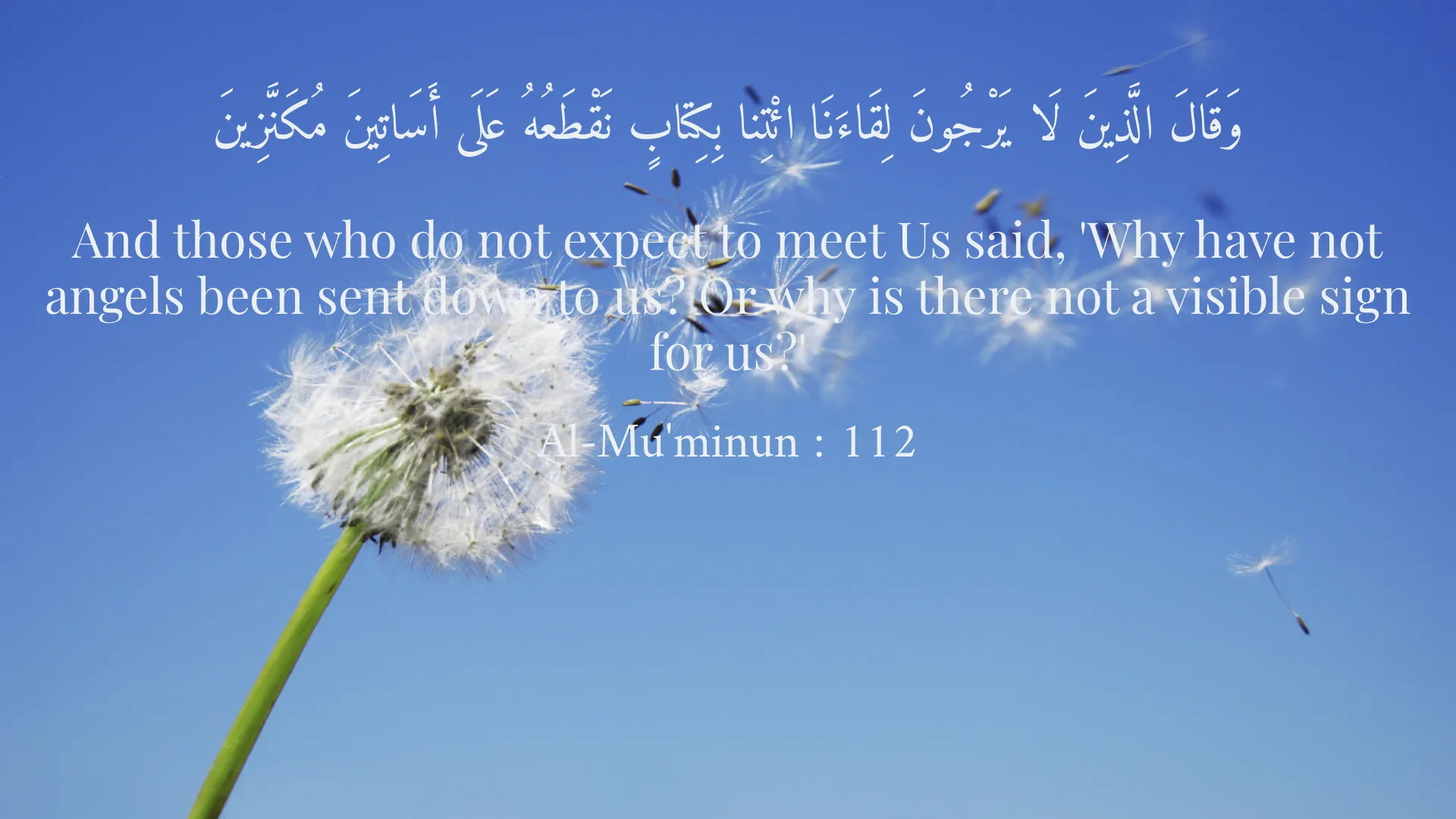
وَقَالَ الَّذِينَ لَا يَرْجُونَ لِقَاءَنَا ائْتِنا بِكِتابٍ نَقْطَعُهُ عَلَى أَسَاتِينَ مُكَنَّزِينَ
And those who do not expect to meet Us said, 'Why have not angels been sent down to us? Or why is there not a visible sign for us?'
Al-Mu'minun : 112
وَلَا تَحْسَبَنَّ الَّذِينَ كَفَرُوا سَبَقُوا ۖ إِنَّهُمْ لَنْ يُعْجِزُوا
And do not think that those who disbelieve have escaped from [the punishment of] Allah. Indeed, they will not cause failure.
An-Nur : 55
يَاأَيُّهَا الَّذِينَ آمَنُوا اسْتَعِينُوا بِالصَّبْرِ وَالصَّلَاةِ ۚ إِنَّ اللَّهَ مَعَ الصَّابِرِينَ
O you who have believed, seek help through patience and prayer. Indeed, Allah is with the patient.
Al-Baqarah : 153
Short Story
One day, Adel, a thoughtful young man, pondered about the obsessions in his life. He was constantly troubled by his preferences and decisions, feeling overwhelmed. However, he recalled the verses of the Quran reminding him to trust in God. Adel decided to dedicate more time each day to pray and connect with Allah. He realized that with each passing day he drew closer to God, the burdensome thoughts diminished, and he felt a greater sense of peace.