Quranic Answer
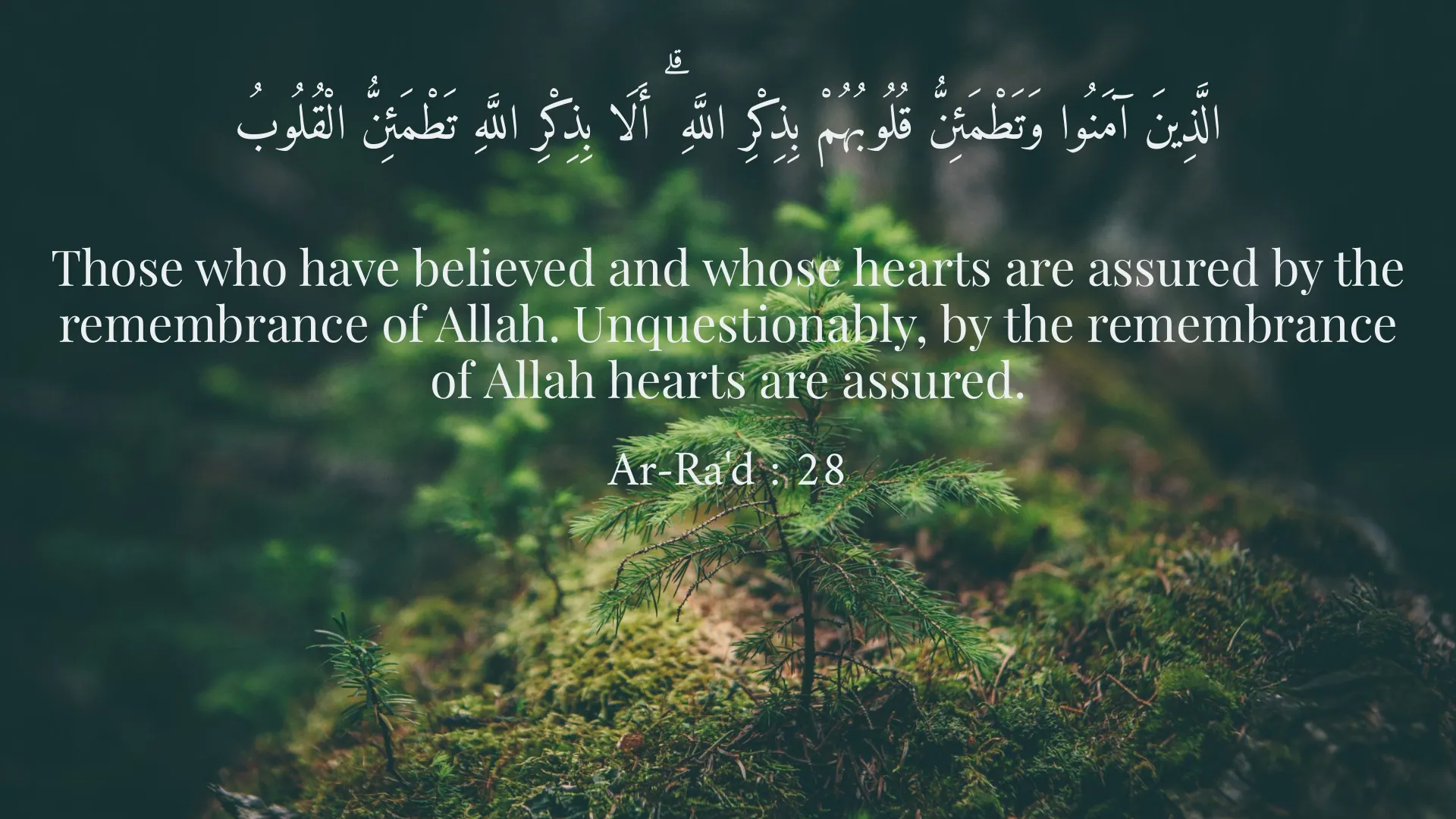
Your question about how to achieve inner satisfaction with oneself is one of the deepest and most fundamental human concerns, and the teachings of the Holy Quran provide a comprehensive and compassionate answer to it. The Quran reveals that true inner satisfaction is the product of a deep and authentic connection with the Creator of the universe, an acceptance of divine decree, and a consistent effort to live a life aligned with heavenly values. This satisfaction does not originate from external or material factors; rather, it is a gem that illuminates from within, by divine light, and therefore, it is enduring and perpetual. To better understand this concept, we must turn to the Quranic roots of tranquility and felicity. One of the most pivotal verses in the Quran that clearly addresses this matter is Surah Ar-Ra'd, verse 28: "الَّذِينَ آمَنُوا وَتَطْمَئِنُّ قُلُوبُهُمْ بِذِكْرِ اللَّهِ ۗ أَلَا بِذِكْرِ اللَّهِ تَطْمَئِنُّ الْقُلُوبُ" (Those who have believed and whose hearts are assured by the remembrance of Allah. Unquestionably, by the remembrance of Allah hearts are assured.) This verse presents the golden key to achieving inner satisfaction: "Dhikr Allah" or the remembrance of Allah. The remembrance of Allah is not merely the repetition of words, but encompasses contemplating His greatness, reflecting on His verses, obeying His commands, abstaining from His prohibitions, and in essence, maintaining God's constant presence in all aspects of our lives. When a person, at every moment – in joy and sorrow, in success and failure – acknowledges God as present and watchful, and weighs their actions against His pleasure, they gradually develop a kind of tranquility and assurance that cannot be obtained from any other source. This inner peace is the profound satisfaction that remains stable under all circumstances, acting as a strong anchor that keeps the heart steady even amidst life's storms. This 'Dhikr' can include prayer, supplication, Quranic recitation, and even contemplation of creation, all of which strengthen the connection with the Creator and pave the way for satisfaction with oneself and existence. In addition to the remembrance of Allah, the concept of "Tawakkul" or complete reliance on God also plays a significant role in achieving inner satisfaction. When an individual entrusts their affairs to God and knows that Allah is the best Disposer of affairs and that nothing happens outside His will and wisdom, they are freed from unnecessary worries and anxieties. The Quran emphasizes Tawakkul in numerous verses and highlights its outcomes as peace and relief. In Surah At-Talaq, verse 3, it states: "وَمَن يَتَوَكَّلْ عَلَى اللَّهِ فَهُوَ حَسْبُهُ ۚ إِنَّ اللَّهَ بَالِغُ أَمْرِهِ ۚ قَدْ جَعَلَ اللَّهُ لِكُلِّ شَيْءٍ قَدْرًا" (And whoever relies upon Allah - then He is sufficient for him. Indeed, Allah will accomplish His purpose. Allah has already set for everything a [decreed] extent.) This sense of sufficiency and reliance on an infinite power gives a person reassurance that even in the face of difficulties, they are not alone, and divine will guides them to the best path. This heartfelt assurance significantly contributes to an individual's inner satisfaction with themselves and their situation, because they know that the outcome of every effort, even if it appears to be a failure, ultimately carries divine goodness and wisdom, which brings endless peace. Another Quranic approach to gaining inner satisfaction is performing "righteous deeds" (A'mal Saleh) and moving on the path of "Ihsan" (excellence). The Quran repeatedly invites believers to do good deeds, help the needy, be truthful, fulfill covenants, and uphold other moral virtues. In Surah An-Nahl, verse 97, we read: "مَنْ عَمِلَ صَالِحًا مِّن ذَكَرٍ أَوْ أُنثَىٰ وَهُوَ مُؤْمِنٌ فَلَنُحْيِيَنَّهُ حَيَاةً طَيِّبَةً ۖ وَلَنَجْزِيَنَّهُمْ أَجْرَهُم بِأَحْسَنِ مَا كَانُوا يَعْمَلُونَ" (Whoever does righteousness, whether male or female, while a believer - We will surely cause him to live a good life, and We will surely give them their reward [in the Hereafter] according to the best of what they used to do.) "Hayatan Tayyibah" or a pure life, includes the very inner satisfaction and peace of mind that comes from good and purposeful actions. When a person feels that they are fulfilling their divine duty and moving towards what is good and beneficial, their sense of self-worth and self-satisfaction is strengthened. This sense of worthiness does not arise from the approval of others, but from understanding one's place in the cosmic order and aligning with divine will; because they know that every good deed they perform not only helps society and others but also refines their own soul and brings them closer to perfection. This positive self-perception is the foundation of deep inner satisfaction. Furthermore, "Tazkiyah al-Nafs" or the purification of the soul from moral vices, is another step emphasized by the Quran. Sins, resentments, envies, anger, and other negative traits, settle like a thick veil over the heart, preventing the perception of truth and the attainment of tranquility. Repentance and returning to God not only cleanse sins but also purify the heart from impurities, providing fertile ground for the flourishing of the divine nature. When a person frees themselves from the bondage of sins and moves towards purity through repentance and seeking forgiveness, they feel light, free, and peaceful, which is a crucial part of inner satisfaction. The Holy Quran repeatedly invites humanity to repentance and seeking forgiveness, opening the doors of His mercy to those who repent. This return to purity enables a person to be at peace with themselves, with their God, and with the world around them, eradicating feelings of guilt or remorse that can dry up the roots of inner satisfaction. Finally, accepting "Qada and Qadar" (divine decree) and possessing "Sabr" (patience) in the face of calamities and "Shukr" (gratitude) for blessings, are other pillars for building inner satisfaction. A believer knows that everything that happens is according to divine wisdom. With this outlook, they neither despair in the face of problems nor become negligent or arrogant in the face of blessings. This perspective empowers them to look at life with contentment in any situation and feel satisfied with themselves and their place in existence. The Quran calls us to patience in hardships and gratitude for ease, as these two qualities are the cornerstones of a life filled with peace and heartfelt satisfaction. Therefore, true inner satisfaction is achieved when one adheres wholeheartedly to these Quranic principles and builds their life upon them. This satisfaction is a divine reward for a heart that walks on the path of truth and submits to the will of its Lord, and it is the result of true faith.
Related Verses
الَّذِينَ آمَنُوا وَتَطْمَئِنُّ قُلُوبُهُمْ بِذِكْرِ اللَّهِ ۗ أَلَا بِذِكْرِ اللَّهِ تَطْمَئِنُّ الْقُلُوبُ
Those who have believed and whose hearts are assured by the remembrance of Allah. Unquestionably, by the remembrance of Allah hearts are assured.
Ar-Ra'd : 28
وَمَن يَتَوَكَّلْ عَلَى اللَّهِ فَهُوَ حَسْبُهُ ۚ إِنَّ اللَّهَ بَالِغُ أَمْرِهِ ۚ قَدْ جَعَلَ اللَّهُ لِكُلِّ شَيْءٍ قَدْرًا
And whoever relies upon Allah - then He is sufficient for him. Indeed, Allah will accomplish His purpose. Allah has already set for everything a [decreed] extent.
At-Talaq : 3
مَنْ عَمِلَ صَالِحًا مِّن ذَكَرٍ أَوْ أُنثَىٰ وَهُوَ مُؤْمِنٌ فَلَنُحْيِيَنَّهُ حَيَاةً طَيِّبَةً ۖ وَلَنَجْزِيَنَّهُمْ أَجْرَهُم بِأَحْسَنِ مَا كَانُوا يَعْمَلُونَ
Whoever does righteousness, whether male or female, while a believer - We will surely cause him to live a good life, and We will surely give them their reward [in the Hereafter] according to the best of what they used to do.
An-Nahl : 97
Short Story
Once upon a time, a wealthy and powerful king sat in his magnificent palace, yet despite all his possessions, he lacked inner peace and satisfaction. He was constantly worried about losing something or being attacked by an enemy. Nearby, a humble dervish sat on the bare earth in a corner of the desert, gazing at the sky with a calm smile. When the king learned of the dervish's state, he summoned him and asked: "O wise man, I, with all this glory, power, and wealth, cannot sleep at night for fear of losing what I have. How is it that you, with all your poverty and destitution, are so peaceful and content?" The dervish replied with dignity: "O King! Everything you possess, you fear losing, and this fear has bound you. But I have nothing to lose that would make me afraid. My heart is free from the bondage of the world, and I am content with what my Lord has provided. My satisfaction comes from within, not from without." Upon hearing these words, the king understood the profound meaning of the dervish's speech and realized that true inner satisfaction lies not in possessions, but in freedom from attachments and connection to the infinite source of peace.