Quranic Answer
Avoiding getting lost in hidden sins is one of the most challenging yet crucial aspects of a person's spiritual journey. Hidden sins are those errors and missteps that exist only between the individual and their Lord, unknown to anyone else. Due to the absence of social pressure or external blame, these types of sins can gradually take root in a person's heart and soul, silently corrupting them from within without anyone realizing. The Holy Quran, with profound insight, offers numerous solutions to this challenge, teaching believers how to navigate this dangerous path without losing their way and how to always return to God. The first and most important principle on this path is a deep awareness of God's absolute knowledge. The Quran repeatedly emphasizes that God is aware of everything; not only our outward actions but also our intentions, hidden thoughts, inner temptations, and even the whispers of our hearts. In Surah Qaf, verse 16, it states: "And We have already created man and know what his soul whispers to him, and We are closer to him than [his] jugular vein." This awareness of God's constant presence and observation (Muraqabah) serves as a strong shield against committing hidden sins. When a person firmly believes that even in their most private moments and the darkest corners of their mind, they are under God's scrutiny, a sense of shame and humility becomes a deterrent against sin. This feeling of Muraqabah is not merely fear of punishment but, more importantly, love and respect for a Lord who is so Merciful and All-Knowing. This deep understanding establishes the foundations of divine consciousness (Taqwa) in the believer's heart, leading them to abstain from anything displeasing to God. Realizing that God is "All-Knowing of what is in the breasts" helps individuals contemplate the consequences of their actions, even in solitude and thought, on their relationship with their Lord. The second vital solution is sincere repentance (Tawbah Nasuha) and a genuine return to God. The Holy Quran mentions the importance of repentance in numerous verses, presenting it as a means to cleanse oneself from sins, both apparent and hidden. In Surah At-Tahrim, verse 8, it commands: "O you who have believed, repent to Allah with sincere repentance." Sincere repentance means a repentance born of true remorse and regret, accompanied by a firm resolve to abandon the sin and, if possible, to make amends for the past. Hidden sins provide an opportunity for private and deeper repentance to God, where one can open their heart to their Creator without shame before other people and seek forgiveness. God has promised in the Quran to accept those who repent and to forgive their sins. It is crucial that individuals do not feel trapped or despair in these hidden sins; rather, they should view every stumble as an opportunity to return and reform. Despair of divine mercy is itself a greater sin that plunges a person deeper into the swamp of their hidden transgressions. Therefore, one should always maintain hope in divine forgiveness and mercy and return to Him immediately after any lapse. The third step is to perform good deeds and virtues. The Quran in Surah Hud, verse 114, states: "Indeed, good deeds do away with ill deeds." This Quranic principle offers a practical solution to counter the negative effects of hidden sins. When a person commits a hidden sin, they can immediately engage in a good deed such as secret charity, supplication (dua), seeking forgiveness (istighfar), reciting the Quran, helping someone in need, or any other righteous act. These good deeds not only lighten the burden of sin but also strengthen a person's spirit and guide them towards righteousness and salvation. The balance between sin and good deeds prevents a person from sinking into the mire of sin and straying from the path of guidance. These righteous acts are a form of spiritual purification that wipe away the dust of sin from the heart's mirror and ignite the light of faith within it more brightly. This is the 'compensation' referred to in the Quranic verses. The fourth principle is adherence to the constant remembrance of God (Dhikr). The remembrance of Allah, whether through prayer, Quranic recitation, glorification (tasbih), or any other form of remembering God, keeps the heart alive and purifies it from the defilements of sin. A heedless heart is a fertile ground for the growth of hidden sins, as Satanic whispers operate more easily in negligence. Dhikr acts as a veil between a person and sin, helping them to remain vigilant at all times. Furthermore, seeking God's help and refuge from the whispers of Satan and the commanding self (nafs al-ammarah) through continuous prayer and istighfar is highly effective. The more God is remembered in the heart, the less room there is for temptation. This remembrance can take the form of 'La ilaha illallah,' 'Astaghfirullah,' 'Subhanallah,' and other forms of Dhikr that impart a special radiance to the soul and heart. The fifth solution is continuous self-accountability (Muhasabah). A person should reflect on their daily actions every night or at regular intervals, examining whether they have committed any sin, even in private and hidden. This self-assessment helps them identify their weaknesses and plan for their correction. The infallible Imams (peace be upon them) also greatly emphasized this principle, considering it a characteristic of true believers. Without this accountability, hidden sins can become habits, making them difficult to recognize. This is the 'accountability before judgment' that gives a person the opportunity to reform themselves before standing before God. This honest review of one's actions ensures that a person is better each day than the day before. The sixth aspect is strengthening willpower and self-restraint (Taqwa). Taqwa not only means abstaining from sin but also signifies an active and continuous presence of God in one's life. A person with Taqwa feels that God sees and hears them even in their solitude. This feeling serves as a major barrier against committing hidden sins. Strengthening Taqwa is achieved through practice and perseverance, fulfilling obligations, avoiding prohibitions, and guarding the heart and mind. Taqwa is a light that illuminates the path and protects a person from falling into hidden traps. Taqwa is the fruit of knowing and loving God. Ultimately, avoiding getting lost in hidden sins requires a continuous struggle and constant vigilance. One must understand that the commanding self and Satan never cease their temptations. However, the door of divine mercy is always open, and God, with His immense kindness, accepts those who repent. The key to liberation lies in self-awareness, honesty with oneself, seeking refuge in God, performing good deeds, and adhering to religious principles. This is an inner journey where each stage brings a person closer to God, granting them peace and assurance. Therefore, we should never despair of God's mercy and always pave the way back to Him through sincere repentance and seeking forgiveness, knowing that God is the concealer of faults and the forgiver of sins, provided His servant returns to Him with sincerity and devotion.
Related Verses
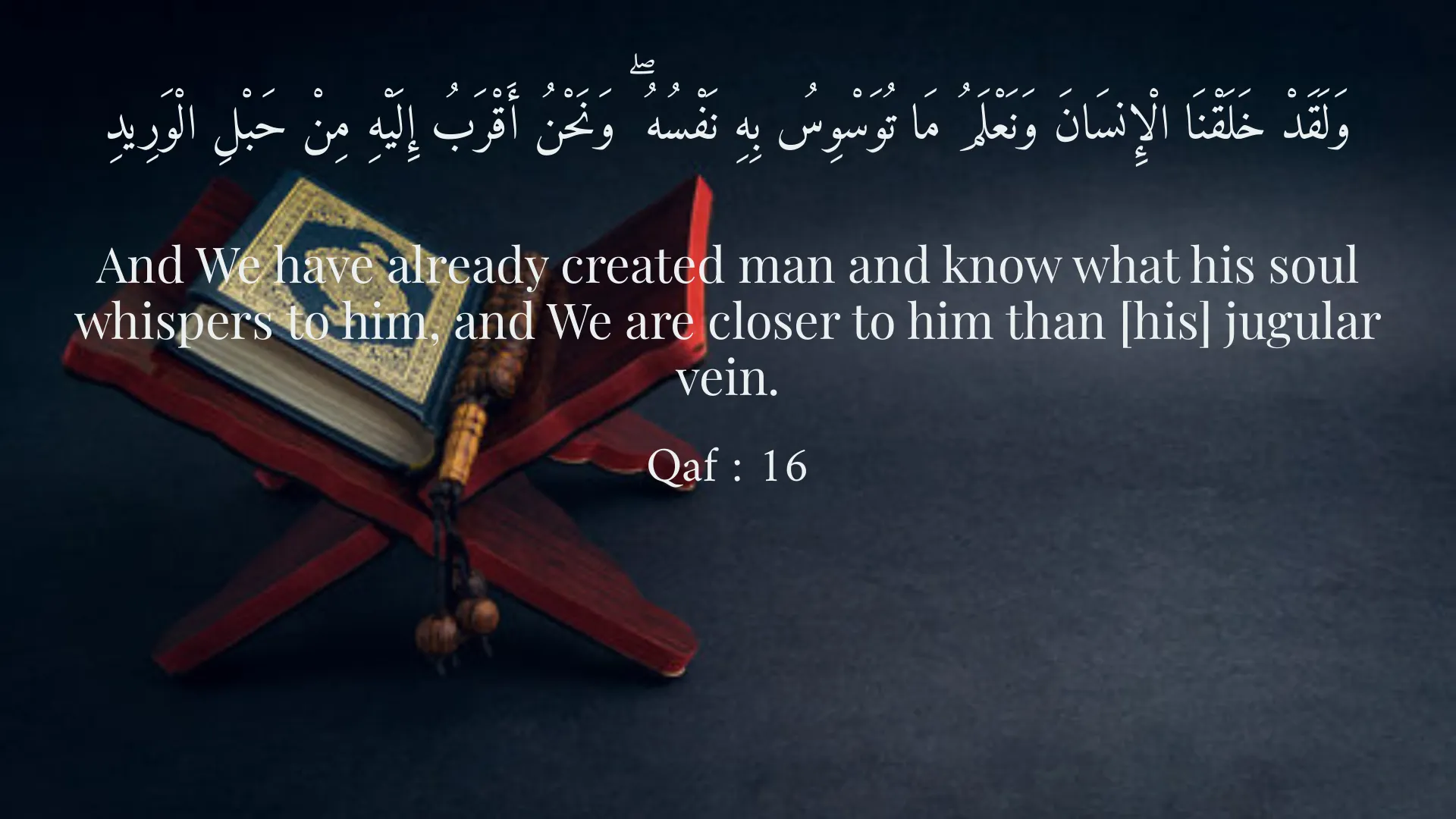
وَلَقَدْ خَلَقْنَا الْإِنسَانَ وَنَعْلَمُ مَا تُوَسْوِسُ بِهِ نَفْسُهُ ۖ وَنَحْنُ أَقْرَبُ إِلَيْهِ مِنْ حَبْلِ الْوَرِيدِ
And We have already created man and know what his soul whispers to him, and We are closer to him than [his] jugular vein.
Qaf : 16
يَا أَيُّهَا الَّذِينَ آمَنُوا تُوبُوا إِلَى اللَّهِ تَوْبَةً نَّصُوحًا عَسَىٰ رَبُّكُمْ أَن يُكَفِّرَ عَنكُمْ سَيِّئَاتِكُمْ وَيُدْخِلَكُمْ جَنَّاتٍ تَجْرِي مِن تَحْتِهَا الْأَنْهَارُ يَوْمَ لَا يُخْزِي اللَّهُ النَّبِيَّ وَالَّذِينَ آمَنُوا مَعَهُ ۖ نُورُهُمْ يَسْعَىٰ بَيْنَ أَيْدِيهِمْ وَبِأَيْمَانِهِمْ يَقُولُونَ رَبَّنَا أَتْمِمْ لَنَا نُورَنَا وَاغْفِرْ لَنَا ۖ إِنَّكَ عَلَىٰ كُلِّ شَيْءٍ قَدِيرٌ
O you who have believed, repent to Allah with sincere repentance. Perhaps your Lord will remove from you your misdeeds and admit you into Gardens beneath which rivers flow [on] the Day when Allah will not disgrace the Prophet and those who believed with him. Their light will proceed before them and on their right; they will say, "Our Lord, perfect for us our light and forgive us. Indeed, You are over all things competent."
At-Tahrim : 8
وَأَقِمِ الصَّلَاةَ طَرَفَيِ النَّهَارِ وَزُلَفًا مِّنَ اللَّيْلِ ۚ إِنَّ الْحَسَنَاتِ يُذْهِبْنَ السَّيِّئَاتِ ۚ ذَٰلِكَ ذِكْرَىٰ لِلذَّاكِرِينَ
And establish prayer at the two ends of the day and at the approach of the night. Indeed, good deeds do away with ill deeds. That is a reminder for those who remember.
Hud : 114
Short Story
A venerable scholar once recounted that in ancient times, there was a man who outwardly appeared to be exceedingly pious and devout. He was always present in the mosque, performed prayers in congregation, and spoke of spirituality. People admired him greatly and envied his purity. However, in his solitude, this man was entangled in a hidden sin, of which no one knew except himself and his Lord. This sin, though seemingly minor, daily deprived him of his peace and gnawed at him from within. One day, feeling distressed and heartbroken, he approached a wise sage and, without detailing his plight, expressed his problem thus: "O sage, outwardly I am adorned, but inwardly, I possess a restless heart, as if struggling in the quagmire of a hidden sin. How can I save myself and escape this inner delusion?" The sage looked at him kindly and said: "My young man, know that God observes both the apparent and the hidden. The sin of which only you are aware, and which you have concealed from people, is not hidden from God. The cure for your pain lies in a complete awareness of this divine observation and in sincere repentance. If you feel ashamed before God for this hidden sin, just as you would for an open sin, and if you take refuge in His presence with a broken heart and tearful eyes, He will not only forgive your sin but will transform it into good deeds. It does not matter how hidden your sin is; what matters is how manifest and sincere your repentance is before your Lord. So, return to God, even for the smallest sin you think no one knows about. For He is aware of all things and never withholds forgiveness." Hearing these words, the man came to his senses. Tears flowed from his eyes, and with firm resolve, he returned to God. He decided to feel God's presence at every moment and never to belittle his hidden sin. From then on, a profound peace settled in his heart, a peace he had never experienced before. He understood that true salvation lies not in outward adornment, but in inner purity and a sincere connection with God.