Quranic Answer
Being alone with God amidst people does not signify physical withdrawal from society, but rather an inner, spiritual state where one's heart and mind are constantly connected to and aware of their Creator. This profound concept of spirituality is based on the premise that the presence of the Almighty God transcends places and times, allowing one to connect with Him and engage in private communion at any moment and anywhere, even within the busiest crowds. The Holy Quran repeatedly emphasizes the importance of Dhikr (remembrance of God) in every state, and this remembrance is the main pathway to achieving this inner solitude. The first and most fundamental step towards achieving this spiritual solitude is "Dhikr Katheer" or abundant remembrance of God. Dhikr is not merely the utterance of specific words, but a state of perpetual awareness and presence of heart. In Surah Al-Ahzab, verse 41, Allah states: "O you who have believed, remember Allah with much remembrance." This remembrance can take the form of Tasbih (glorification), Tahlil (proclamation of God's oneness), Takbir (magnification), and Hamd (praise), but more importantly, it involves a mental presence that reminds the individual of their Creator in all daily activities. When one is working, walking, eating, or socializing, their heart can be attentive to God; they can thank Him for His blessings, repent for their sins, and strive for His pleasure. This continuous Dhikr acts like a spiritual shield, preventing one from being submerged in worldly preoccupations and creating an inner space of tranquility and divine presence. This state helps individuals not to feel lonely or distant from God even while being in society, ensuring they are constantly under His protection. The second step is "Muraqabah" (vigilance) and "Taqwa" (God-consciousness). Muraqabah means continuous awareness and vigilance of God's presence and His observation of all our actions and intentions. When living among people, one faces numerous ethical and social challenges. Taqwa, which means abstaining from prohibitions and performing obligations, develops within the framework of this Muraqabah. In Surah Al-Hadid, verse 4, we read: "...and He is with you wherever you are. And Allah is Seeing of what you do." Knowing that Allah is with us at all times and in all places, and that He sees everything we do, compels individuals to exercise caution and piety in their speech, deeds, and even thoughts. This constant awareness helps one to be perpetually mindful of the Creator in their inner solitude, aligning their actions with His pleasure, without being influenced by external judgments or pressures. This state of Taqwa creates a space of spiritual solitude within the human soul, where one faces God alone and acts according to His will, making it a true "solitude with God" amidst the clamor of the world. The third way is through "Salat" (prayer) and "Dua" (supplication). Although the daily ritual prayers have specific times and forms, the spirit of prayer, which is communion and intimate conversation with God, can continue throughout the day and in all circumstances. Supplicating and asking from God amidst crowds not only brings peace but also strengthens the sense of deep connection and presence with Him. Whenever an individual feels a need or encounters a problem, they can immediately turn to God and whisper their pleas. These private whispers are the true solitude with God, where one shares all their needs and secrets with their Beloved. Allah says in the Quran: "And when My servants ask you concerning Me, then [answer them], 'Indeed, I am near. I respond to the invocation of the supplicant when he calls upon Me.'" (Al-Baqarah 2:186). This verse shows that God is always near and answers the prayers of His servants. This proximity and responsiveness enable one to find solitude with God and seek His help in any situation, even in the midst of a crowd. Fourthly, "Tawakkul" (trust in God) and "Rida" (contentment) are crucial. Tawakkul means entrusting one's affairs to God and having complete reliance on His divine plan. When living among people, one encounters many issues and challenges that can cause worry and anxiety. However, with Tawakkul in God, one finds inner peace, knowing that all matters are in His hands. This inner tranquility is itself a form of solitude with God, as one is freed from external concerns and relies solely on divine power and will. Similarly, the state of "Rida," or contentment with divine decrees, places an individual in a state of acceptance and peace under all circumstances. This acceptance fosters a deeper connection with the Creator, leading the individual, even amidst intense social activities, to be inwardly engaged in whispers of contentment and devotion to God. This inner solitude liberates one from material and social constraints, allowing them to maintain a profound spiritual presence with their Lord at every moment, without needing to withdraw from the world. This type of solitude does not hinder social activity; rather, it imbues it with a divine essence, transforming all human actions into acts of worship, as the ultimate goal is God's pleasure. Ultimately, being alone with God amidst people is an art achieved through practice and perseverance. This solitude is not found in withdrawing from the world but in deepening the divine presence within one's heart and mind at all moments of life, whether in solitude or in company. Through continuous remembrance, contemplation of God's presence, supplication and prayer, and reliance and contentment with His decrees, one can create this spiritual space within themselves and remain in boundless, perpetual solitude with their Lord at every step of life.
Related Verses
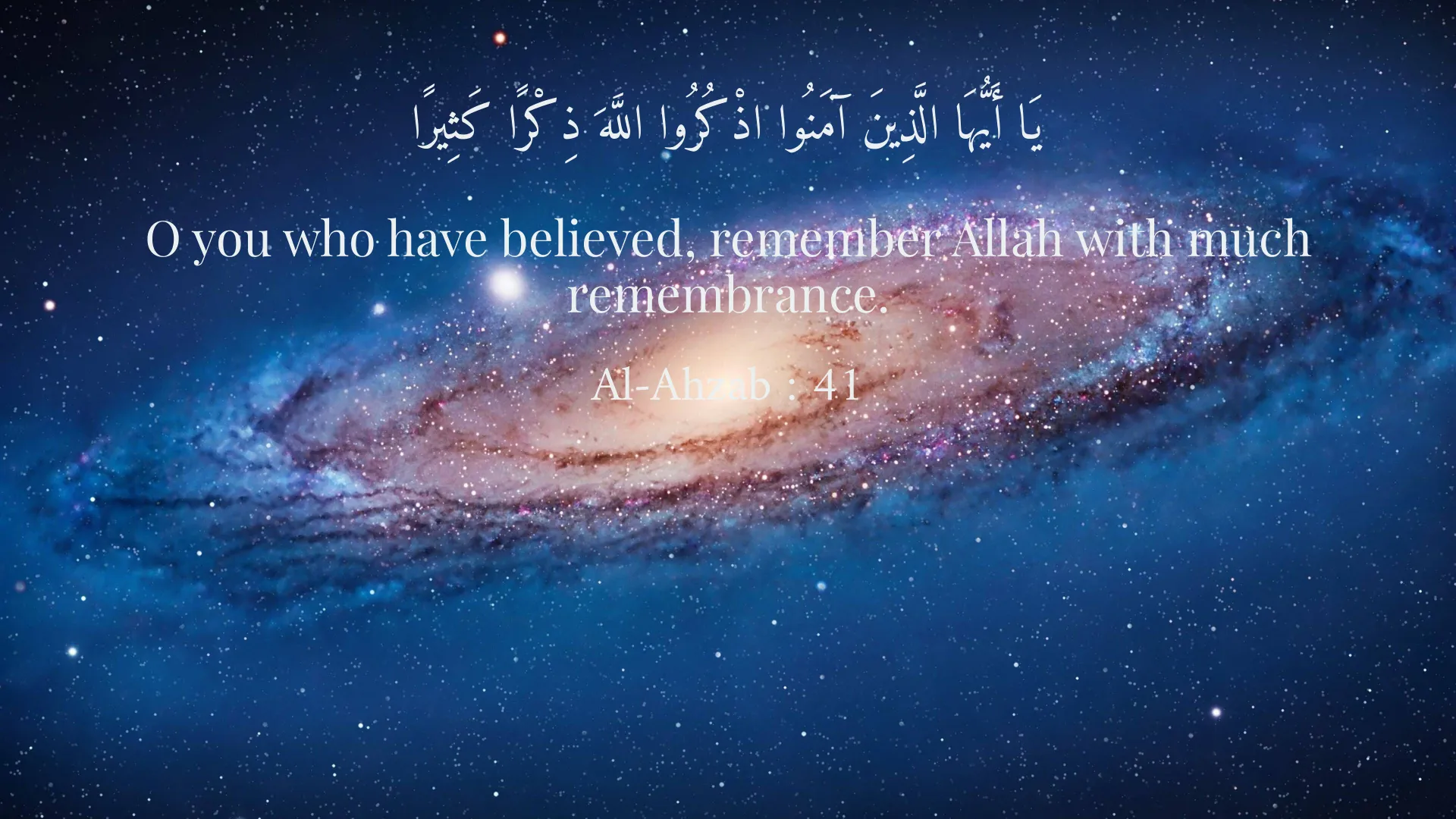
يَا أَيُّهَا الَّذِينَ آمَنُوا اذْكُرُوا اللَّهَ ذِكْرًا كَثِيرًا
O you who have believed, remember Allah with much remembrance.
Al-Ahzab : 41
وَإِذَا سَأَلَكَ عِبَادِي عَنِّي فَإِنِّي قَرِيبٌ ۖ أُجِيبُ دَعْوَةَ الدَّاعِ إِذَا دَعَانِ ۖ فَلْيَسْتَجِيبُوا لِي وَلْيُؤْمِنُوا بِي لَعَلَّهُمْ يَرْشُدُونَ
And when My servants ask you concerning Me, then [answer them], 'Indeed, I am near. I respond to the invocation of the supplicant when he calls upon Me. So let them respond to Me [by obedience] and believe in Me that they may be rightly guided.'
Al-Baqarah : 186
هُوَ الَّذِي خَلَقَ السَّمَاوَاتِ وَالْأَرْضَ فِي سِتَّةِ أَيَّامٍ ثُمَّ اسْتَوَىٰ عَلَى الْعَرْشِ ۚ يَعْلَمُ مَا يَلِجُ فِي الْأَرْضِ وَمَا يَخْرُجُ مِنْهَا وَمَا يَنزِلُ مِنَ السَّمَاءِ وَمَا يَعْرُجُ فِيهَا ۖ وَهُوَ مَعَكُمْ أَيْنَ مَا كُنتُمْ ۖ وَاللَّهُ بِمَا تَعْمَلُونَ بَصِيرٌ
It is He who created the heavens and the earth in six days and then established Himself above the Throne. He knows what penetrates the earth and what emerges from it and what descends from the heaven and what ascends into it. And He is with you wherever you are. And Allah is Seeing of what you do.
Al-Hadid : 4
Short Story
They say that in ancient times, there was an ascetic who constantly engaged in remembrance and worship in solitude. People knew him for his piety and abstinence. One day, a noble person asked him: 'O Sheikh, how is it that you are always in solitude, while we are amidst people and deprived of that sweetness?' The Sheikh smiled and replied: 'My friend, true solitude is not in distancing oneself from people, but in drawing closer to God. I find solitude with God not only in my private corner, but also in bustling markets and amidst crowds. For when my heart is with Him, the whole world becomes a prayer niche for me, and wherever I am, that place becomes my sanctuary and my Beloved's. If the heart is tied to the world, even in the most secluded chamber, one is far from God. But if the heart is tied to God, even in the busiest market, you have an infinite solitude with Him.' This story teaches us that true peace and connection are within us, and we can feel God's presence and commune with Him in any circumstance.