Quranic Answer
Contentment with Divine Decree (Qada and Qadar) is one of the highest spiritual stations and a profound manifestation of true faith in Almighty God. This concept not only brings worldly peace and happiness but also paves the way for servitude and closeness to the Creator of the universe. To attain this elevated state, it is essential to delve deeper into the nature of Qada and Qadar and understand how to interact with it according to Quranic teachings. Qada and Qadar refer to God's comprehensive planning and management for all existence and everything that occurs within it, from the largest galaxies to the smallest particles and the individual events of every human life. Understanding the truth that not a single leaf falls without His permission forms the foundation of this contentment. The first step towards achieving this contentment is a deep understanding of God's Most Beautiful Names and Attributes. When a person realizes that God is 'Al-Alim' (the All-Knowing), 'Al-Hakeem' (the All-Wise), 'Ar-Rahman' (the Most Gracious), and 'Ar-Rahim' (the Most Merciful), they understand that whatever is decreed by Him invariably contains goodness and benefit for His servant, even if it appears unpleasant outwardly. The Holy Quran states in Surah Al-Baqarah, verse 216: "But perhaps you hate a thing and it is good for you; and perhaps you love a thing and it is bad for you. And Allah Knows, while you know not." This verse serves as a guiding light for understanding the hidden wisdom behind events. Believing in this wisdom frees the heart from worry and distress, leading it to tranquility. The second fundamental pillar is genuine reliance upon God, known as Tawakkul. Tawakkul does not mean that one should abandon effort and leave everything to chance. Rather, it means that one should exert their utmost effort, spare no endeavor, and then, with complete trust, entrust the outcome of their endeavors to God. Surah At-Talaq, verse 3, declares: "And whoever relies upon Allah - then He is sufficient for him. Indeed, Allah will accomplish His purpose. Allah has already set for everything a [decreed] extent." This verse assures us that once we have fulfilled our responsibilities, Allah will be our Sustainer and Supporter. Tawakkul eliminates anxiety about the future and regret over the past, for one knows that all matters are in the hands of God's power and planning, and whatever He wills, that is what will be. This active reliance not only brings peace to the individual but also aids them in their path of growth and elevation. Thirdly, patience (Sabr) in the face of adversities and gratitude (Shukr) for blessings are crucial. Patience means actively enduring hardships with contentment, not passive resignation. Sabr involves restraining oneself from what is disliked for the sake of God's pleasure and hoping for His reward. In Surah Al-Baqarah, verse 153, Allah says: "O you who have believed, seek help through patience and prayer. Indeed, Allah is with the patient." This verse indicates that patience is key to overcoming difficulties and seeking Allah's assistance. Every calamity can be a test of faith, an expiation for sins, or a means of elevating one's rank and status. On the other hand, expressing gratitude for God's countless blessings, both apparent and hidden, strengthens one's connection with God and increases inner contentment. Even within misfortunes, one can find points for gratitude; for instance, that the calamity was not greater, or that it provided an opportunity for sins to be forgiven. The combination of patience and gratitude leads a person to the highest levels of contentment. Fourthly, the importance of Dua (supplication) and continuous connection with God cannot be overstated. Dua is not merely a means of asking for needs but is, in itself, an act of worship and an expression of servitude. When a person raises their hands in prayer to God, they express their weakness and need before His absolute power. This spiritual connection calms the heart and makes it easier to accept divine decree, as one knows that their desires, whatever they may be, do not supersede God's will, and He desires the best for His servant. This inner certainty helps a person feel at peace and content in all circumstances, even if the outcome of their prayer is not exactly as they outwardly desired. Ultimately, contentment with divine decree is not a sudden emotion but a continuous process that requires practice and mindfulness. This contentment frees a person from inner suffering, anxieties, and useless comparisons. One who is content with Qada and Qadar does not envy others' wealth or status, is not anxious about an unknown future, and does not regret a past that has gone. They experience peace in every moment of life because they know they are under the care and wise management of the wisest Being in existence. This state does not mean a lack of effort to change an undesirable situation, but rather an acceptance of outcomes after exerting all effort and trusting in divine wisdom. This inner peace is a jewel that cannot be exchanged for any worldly wealth and opens the door to eternal happiness.
Related Verses
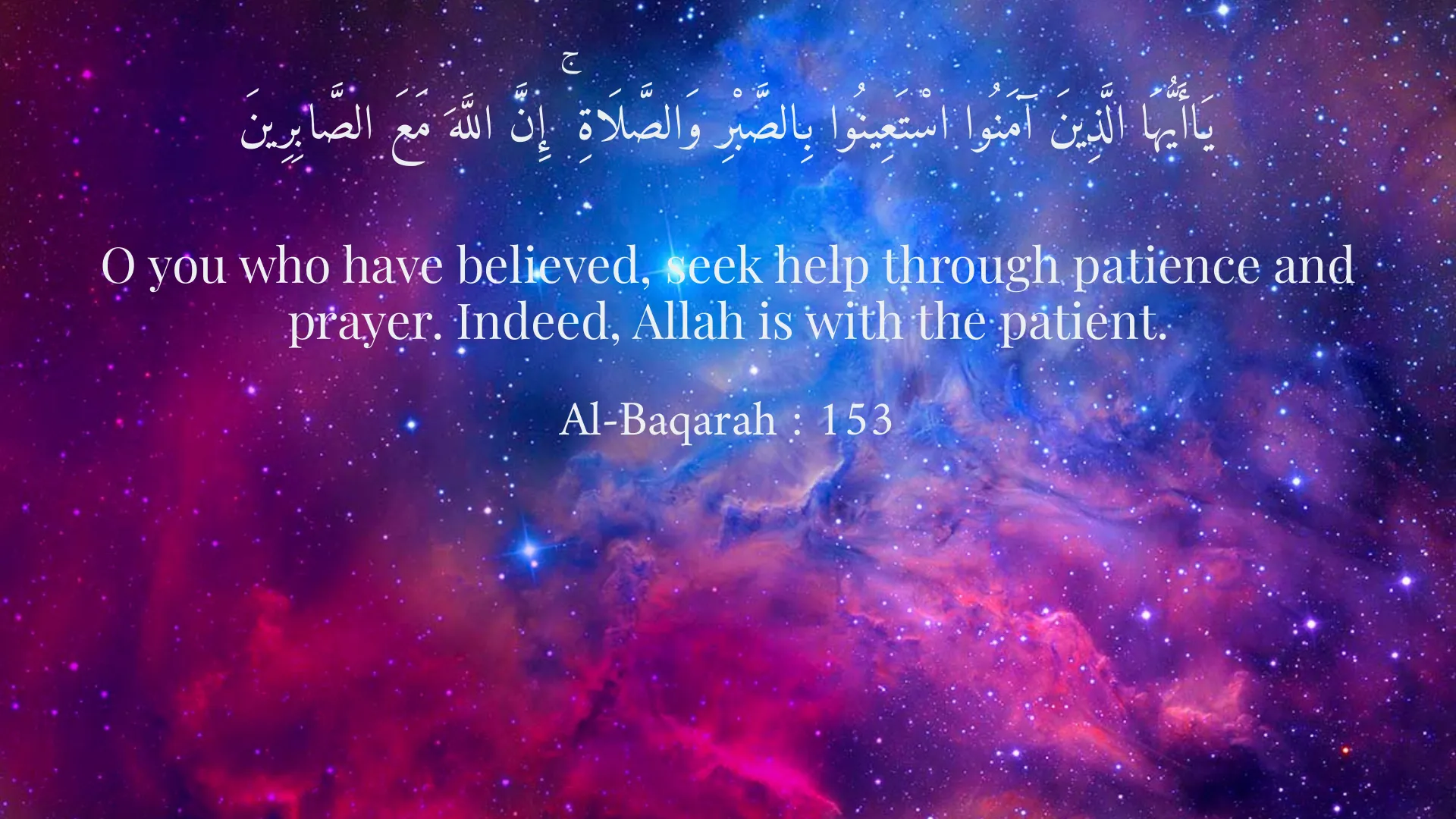
يَاأَيُّهَا الَّذِينَ آمَنُوا اسْتَعِينُوا بِالصَّبْرِ وَالصَّلَاةِ ۚ إِنَّ اللَّهَ مَعَ الصَّابِرِينَ
O you who have believed, seek help through patience and prayer. Indeed, Allah is with the patient.
Al-Baqarah : 153
وَعَسَىٰ أَن تَكْرَهُوا شَيْئًا وَهُوَ خَيْرٌ لَّكُمْ ۖ وَعَسَىٰ أَن تُحِبُّوا شَيْئًا وَهُوَ شَرٌّ لَّكُمْ ۗ وَاللَّهُ يَعْلَمُ وَأَنتُمْ لَا تَعْلَمُونَ
But perhaps you hate a thing and it is good for you; and perhaps you love a thing and it is bad for you. And Allah Knows, while you know not.
Al-Baqarah : 216
وَمَن يَتَوَكَّلْ عَلَى اللَّهِ فَهُوَ حَسْبُهُ ۚ إِنَّ اللَّهَ بَالِغُ أَمْرِهِ ۚ قَدْ جَعَلَ اللَّهُ لِكُلِّ شَيْءٍ قَدْرًا
And whoever relies upon Allah - then He is sufficient for him. Indeed, Allah will accomplish His purpose. Allah has already set for everything a [decreed] extent.
At-Talaq : 3
Short Story
It is narrated that a contented dervish, though his hands were empty of silver and gold, his heart was emptier of sorrow and fear. Someone asked him, "How is it that despite all this poverty, you have no grief or sorrow and are always joyful?" The dervish smiled and said, "O friend, I am content with divine decree, for I know that the sustenance of every living creature is upon God, and He is more knowledgeable of the state of His servants. I strive my best, and I entrust the rest to Him. How can I be sad when I know He never forgets His servants? This certainty and reliance (Tawakkul) have freed me from all sorrow and illuminated my heart with the light of contentment." This story reminds us that true inner peace lies in acceptance and reliance on divine wisdom, not in worldly possessions.