Quranic Answer
Witnessing injustice is a profoundly distressing and heartbreaking experience that can evoke feelings of anger, despair, and helplessness within an individual. In such circumstances, the question of how to maintain patience and steadfastness becomes crucial. The pristine religion of Islam, particularly through the illuminating verses of the Holy Quran, offers comprehensive and profound strategies for confronting injustice. This approach transcends mere passive endurance, inviting believers to embrace an active, purposeful, and constructive form of patience. It does not imply submission to oppression but rather signifies resilience, steadfastness, and purposeful action on the path of truth and justice. Indeed, patience in Islam is never about passivity or acquiescence to injustice; rather, it is a wise and determined steadfastness in countering falsehood and establishing divine justice. Patience (Sabr) in the Quran is a multi-dimensional concept. Almighty Allah, in numerous verses, emphasizes the importance of patience, presenting it as a key to attaining divine assistance and immense rewards. One of the most prominent verses in this regard is Surah Al-Baqarah, verse 153, which states: “O you who have believed, seek help through patience and prayer. Indeed, Allah is with the patient.” This verse clearly indicates that patience, coupled with prayer (which symbolizes connection with God), is a powerful tool for overcoming difficulties and hardships. When confronted with injustice, this patience helps us resist the wave of negative emotions and preserve our inner strength. This patience provides a solid foundation for subsequent actions on the path of truth and prevents the soul from wavering. Patience in the face of injustice encompasses several dimensions, each playing a crucial role in maintaining steadfastness and proper conduct: 1. Reliance on and Trust in Divine Justice (Tawakkul): The first and most fundamental pillar of patience when encountering injustice is a deep conviction in the absolute justice of Allah Almighty. No injustice escapes His sight. Surah Ibrahim, verse 42, explicitly states this truth: “And never think that Allah is unaware of what the wrongdoers do. He only delays them for a Day when eyes will stare [in horror].” This verse grants patience to individuals, assuring them that even if justice is not immediately apparent in this world, no injustice will go unpunished on the Day of Judgment, and the rights of the oppressed will be restored to them. This belief serves as a strong anchor for the soul amidst the storms of injustice, preventing it from sinking into despair, hopelessness, and a sense of futility. Relying on Allah brings profound peace to the heart, enabling one to continue their path with confidence in the future and divine justice. 2. Controlling Emotions and Managing Anger: Injustice often triggers intense anger. Patience does not mean suppressing anger, but rather managing it so that it does not lead to destructive or futile actions. The Holy Quran invites believers to control their anger and to forgive others: “And those who restrain anger and pardon people - and Allah loves the doers of good” (Al-Imran: 134). This verse indicates that patience in this context means transforming anger into a constructive force or at least preventing it from becoming destructive. Uncontrolled anger can lead to hasty decisions, destructive behaviors, and ultimately regret. Patience allows us to reflect before reacting and to choose the best and most effective way to confront oppression. 3. Supplication (Du'a) and Seeking Allah's Help: When an individual witnesses oppression and feels helpless, the strongest refuge is Allah. Supplicating and humbling oneself before the Divine not only brings tranquility but also opens doors to unexpected divine interventions. Prophet Moses (peace be upon him), when confronting Pharaoh and his tyranny, sought refuge in Allah and asked for patience and assistance. This example teaches us that in the midst of extreme difficulties, connecting with the Creator bestows unparalleled strength. Du'a is a powerful tool for releasing negative energy, achieving inner peace, and seeking divine assistance to remove injustice and support the oppressed. 4. Steadfastness on the Path of Truth and Non-Compromise with Falsehood: Patience in the face of injustice never implies silence or inaction against it. Rather, it means steadfastness on the path of truth, even under extremely challenging circumstances. The Holy Quran calls upon believers to remain firm in their righteous stands and warns against compromising with falsehood. Prophets of Allah were prime examples of this steadfastness, enduring years of oppression and corruption by the rulers of their time, never ceasing their call to truth. This perseverance requires immense patience, which prevents one from faltering or falling into despair and keeps them firm in the struggle against injustice. Steadfastness means not succumbing to pressures and upholding moral and faith principles. 5. Intelligent Action and Responsibility: True patience in the face of injustice is not merely passive endurance of suffering, but also includes seeking legitimate and effective ways to counter oppression and establish justice. The Holy Quran states in Surah An-Nisa, verse 148: “Allah does not like the public mention of evil except by one who has been wronged. And ever is Allah Hearing and Knowing.” This verse clearly permits the oppressed, or those who support the oppressed, to expose injustice and defend rights. Therefore, patience in this context means acting responsibly and wisely. Such actions can include: * Enlightening and Raising Awareness: Explaining the dimensions of injustice to others and striving to awaken dormant consciences in society. * Supporting the Oppressed: Providing practical, financial, psychological, or legal assistance to those who have been wronged and offering any possible support. * Utilizing Legal Mechanisms: If possible, using legal and civil channels to uphold rights and seek justice. * Changing Conditions through Enjoining Good and Forbidding Evil (Amr bil Ma'ruf wa Nahi anil Munkar): This is a collective duty that must be carried out with wisdom, good counsel, and foresight, so that society progresses towards justice and goodness. Ultimately, the rewards of patience in the face of injustice are immense. Allah has promised to fully reward the patient (Az-Zumar: 10) and encompass them with His mercy and guidance (Al-Baqarah: 157). This patience not only helps individuals remain psychologically and spiritually sound and prevents inner collapse, but also transforms them into effective instruments of change and reform in society. By relying on Allah, controlling emotions, praying, remaining steadfast on the path of truth, and acting intelligently and responsibly, one can be patient in the face of injustice while contributing to the establishment of fairness and equity. This is the path of the Prophets and righteous predecessors, who with patience and perseverance, stood against the storms of oppression and kept the light of guidance and justice burning. This patience is a heroic act that not only saves the individual but also plants the seeds of hope and change in the hearts of others and helps build a more just society.
Related Verses
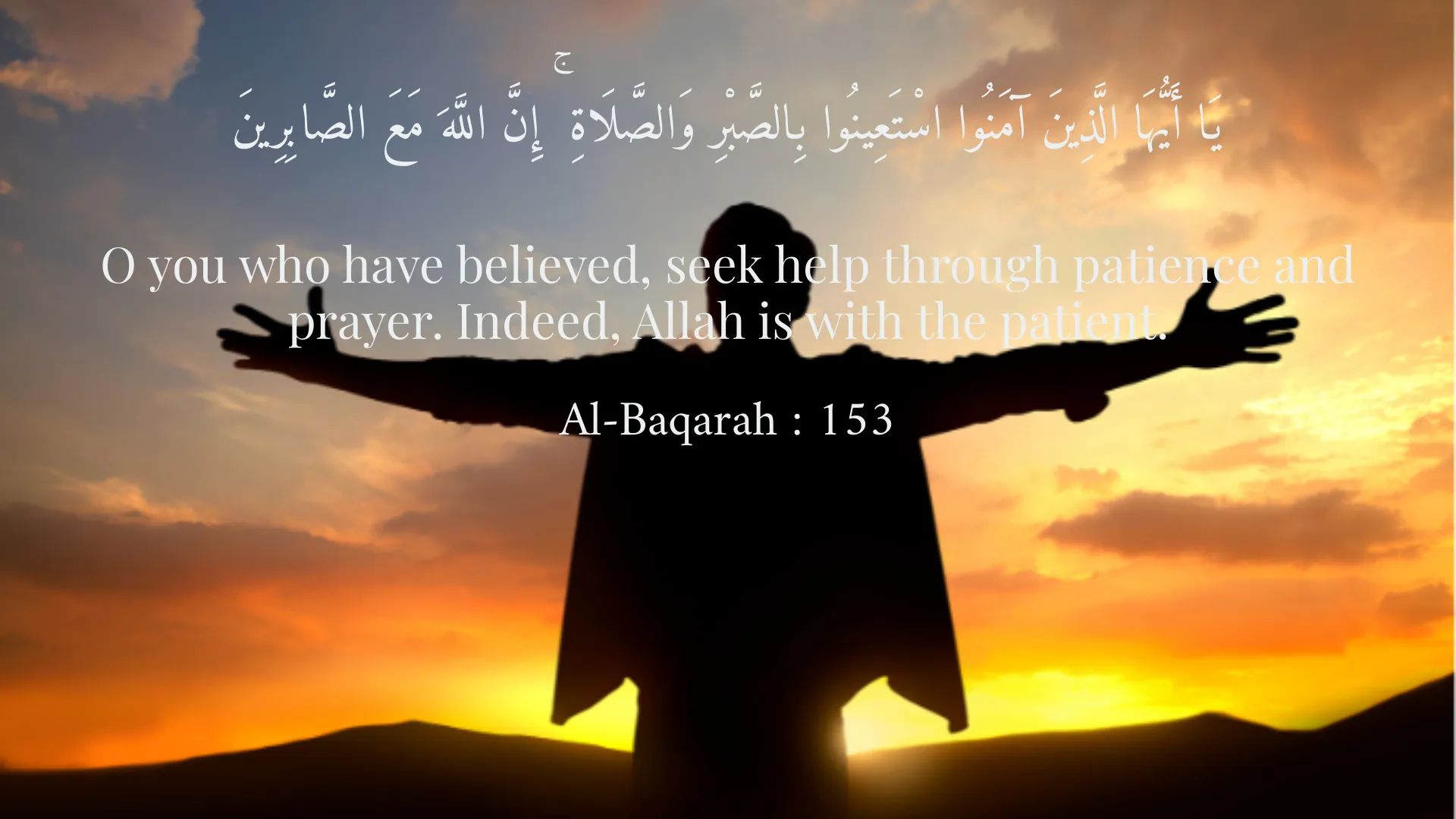
يَا أَيُّهَا الَّذِينَ آمَنُوا اسْتَعِينُوا بِالصَّبْرِ وَالصَّلَاةِ ۚ إِنَّ اللَّهَ مَعَ الصَّابِرِينَ
O you who have believed, seek help through patience and prayer. Indeed, Allah is with the patient.
Al-Baqarah : 153
وَلَا تَحْسَبَنَّ اللَّهَ غَافِلًا عَمَّا یَعْمَلُ الظَّالِمُونَ ۚ إِنَّمَا یُؤَخِّرُهُمْ لِیَوْمٍ تَشْخَصُ فِيهِ الْأَبْصَارُ
And never think that Allah is unaware of what the wrongdoers do. He only delays them for a Day when eyes will stare [in horror].
Ibrahim : 42
لَا یُحِبُّ اللَّهُ الْجَهْرَ بِالسُّوءِ مِنَ الْقَوْلِ إِلَّا مَن ظُلِمَ ۚ وَكَانَ اللَّهُ سَمِیعًا عَلِیمًا
Allah does not like the public mention of evil except by one who has been wronged. And Allah is Hearing and Knowing.
An-Nisa : 148
Short Story
It is narrated in Sa'di's Gulistan that a merchant who had lost his fortune went to a pious dervish, complaining bitterly about how he had lost all his wealth in an unjust transaction and was now distraught and despairing. The dervish, with a kind smile, said: "O brother, you complain about the injustice of the world, yet patience is a treasure found only in hardship. Know that God is never heedless of His servants' state, and all that happens is a test. Is it not better, instead of grieving over what is lost, to look at what remains and, with reliance on God and prayer, find a way to compensate?" The merchant, finding solace in the dervish's words, decided that instead of sinking into sorrow, he would return to life with patience and effort, trusting in divine grace. He understood that patience is not stagnation but steadfastness and hope in the face of despair.