Quranic Answer
Your question, "How can I believe that God loves me?", touches upon one of the deepest and most fundamental human concerns, residing within the heart of every believer. The answer to this question strengthens the pillars of faith. The Holy Quran, the divine word, is replete with verses that reveal Allah's boundless love and affection for His servants in various ways, paving the path to understanding this divine love. To believe in this love, we must look to its signs and manifestations throughout existence and within the divine teachings. The first and most prominent sign lies in understanding the Names and Attributes of Allah. God introduces Himself with attributes such as "Ar-Rahman" (The Most Gracious), "Ar-Rahim" (The Most Merciful), and "Al-Wadud" (The Most Loving). These attributes are not merely names on paper; rather, they express the fundamental truth of God's being and how He interacts with His servants. When we read that Allah is "Ar-Rahman," it means His grace and mercy are all-encompassing, extending to all beings, believers and disbelievers alike. His being "Ar-Rahim" implies that His special and continuous mercy applies to the believers, assisting them on the path of guidance and salvation. However, the attribute "Al-Wadud" in Surah Al-Buruj (verse 14) explicitly declares divine, unconditional love: "وَهُوَ الْغَفُورُ الْوَدُودُ" (And He is the Forgiving, the Loving). This verse alone is enough to fill the heart with assurance that our Creator is our Lover and Friend. He not only loves us, but His forgiveness and pardon also originate from this very love. These names open a window to understanding the profoundly compassionate heart of Allah, assuring us that behind every event, there is a hand of love and solicitude at work. The second way to believe in God's love is through contemplating creation. A look at the magnificent and unparalleled order of the universe, from infinite galaxies to the tiniest particles, each serves as a sign of the Creator's knowledge, power, and ultimately, His love. He has created everything in the best form and with a specific purpose. In Surah An-Naml (verse 61), Allah says: "أَمَّن جَعَلَ الْأَرْضَ قَرَارًا وَجَعَلَ خِلَالَهَا أَنْهَارًا وَجَعَلَ لَهَا رَوَاسِيَ وَجَعَلَ بَيْنَ الْبَحْرَيْنِ حَاجِزًا ۗ أَإِلَٰهٌ مَّعَ اللَّهِ ۚ بَلْ أَكْثَرُهُمْ لَا يَعْلَمُونَ" (Is He [not best] who made the earth a stable settlement and made within it rivers and made for it firmly set mountains and made between the two seas a barrier? Is there a deity with Allah? But most of them do not know.) This verse and similar ones invite us to ponder the countless blessings of Allah: He made the earth a resting place, caused rivers to flow, established firm mountains, and placed a barrier between two seas. Are these not signs of the love and kindness of a Creator who has made life possible and pleasant for us? He provides sustenance for all creatures, fulfills our basic needs, and created the beauties of the world for our enjoyment. Even our breathing, our heartbeat, the health of our bodies, are all manifestations of His continuous, unending love. Third, and perhaps the most tangible evidence of God's love, is His forgiveness and pardon. Humanity is inherently prone to error and sin. Yet, in His perfect love, Allah has always kept the door of repentance and return open. Verse 53 of Surah Az-Zumar is one of the most hopeful verses in the Quran: "قُلْ يَا عِبَادِيَ الَّذِينَ أَسْرَفُوا عَلَىٰ أَنفُسِهِمْ لَا تَقْنَطُوا مِن رَّحْمَةِ اللَّهِ ۚ إِنَّ اللَّهَ يَغْفِرُ الذُّنُوبَ جَمِيعًا ۚ إِنَّهُ هُوَ الْغَفُورُ الرَّحِيمُ" (Say, "O My servants who have transgressed against themselves [by sinning], do not despair of the mercy of Allah. Indeed, Allah forgives all sins. Indeed, it is He who is the Forgiving, the Merciful.") This verse is a warm and sincere invitation from God that even the most sinful should not despair of His mercy. What kind of love is this, that even when a servant disobeys, He does not close the door of reconciliation and accepts them with open arms? This verse expresses the height of divine compassion and kindness, giving His servants the opportunity to rise again and return to Him every time they stumble. He not only forgives but also transforms sins into good deeds, as mentioned in Surah Al-Furqan (verse 70), provided there is repentance, faith, and righteous action. Fourth, divine guidance and the sending of prophets and heavenly books are clear proofs of His love. Allah has not left humanity alone and bewildered in this world. Rather, out of His kindness and compassion, He sent prophets and guides and revealed heavenly books (including the Quran) to show us the path to success and salvation. This guidance is a sign that He does not want us to be misguided or suffer. He wants us to have the best life in this world and the hereafter. The Quran, which is full of light and guidance, is a gift from Him that teaches the right way of life, how to connect with God, and how to achieve peace and contentment. The fact that God has planned for us and sent guidance is nothing but selfless love. In Surah Al-Isra (verse 9), He says: "إِنَّ هَٰذَا الْقُرْآنَ يَهْدِي لِلَّتِي هِيَ أَقْوَمُ..." (Indeed, this Quran guides to that which is most upright...). Through this guidance, He saves us from misguidance and destruction and leads us towards light and perfection. Fifth, trials and tribulations in life can also be a manifestation of divine love, although they may seem difficult and unpleasant. Just as parents sometimes test their children for better upbringing and preparation for the future, Allah also tests His servants for growth, purification, and elevation of their spiritual ranks. These trials are not out of enmity but out of wisdom and love, so that our faith may be strengthened, our sins cleansed, and we may be drawn closer to Him. In Surah Al-Baqarah (verse 155), it states: "وَلَنَبْلُوَنَّكُم بِشَيْءٍ مِّنَ الْخَوْفِ وَالْجُوعِ وَنَقْصٍ مِّنَ الْأَمْوَالِ وَالْأَنفُسِ وَالثَّمَرَاتِ ۗ وَبَشِّرِ الصَّابِرِينَ" (And We will surely test you with something of fear and hunger and a loss of wealth and lives and fruits, but give good tidings to the patient). This verse shows that trials are part of God's tradition, and those who persevere in this path receive glad tidings from Allah. Accepting this perspective transforms difficulties into opportunities for closeness and earning reward, showing that God, even in hardships, is concerned with our well-being and benefit. Ultimately, God loves those who draw near to Him. He "loves those who repent and purify themselves" (Al-Baqarah: 222), "loves the doers of good" (Al-Imran: 134), "loves those who rely [upon Him]" (Al-Imran: 159), and "loves the righteous" (At-Tawbah: 7). These verses show with what qualities God loves His servants, and this love is reciprocal. The more we take steps towards Him, the more we will feel the manifestations of His love in our lives. Believing that God loves me means trusting that He desires what is good for me, will never abandon me, and has always left the door open for my return and forgiveness. This belief is rooted in intellect, contemplation of divine verses, and the experience of His presence in life, bringing profound peace to the heart.
Related Verses
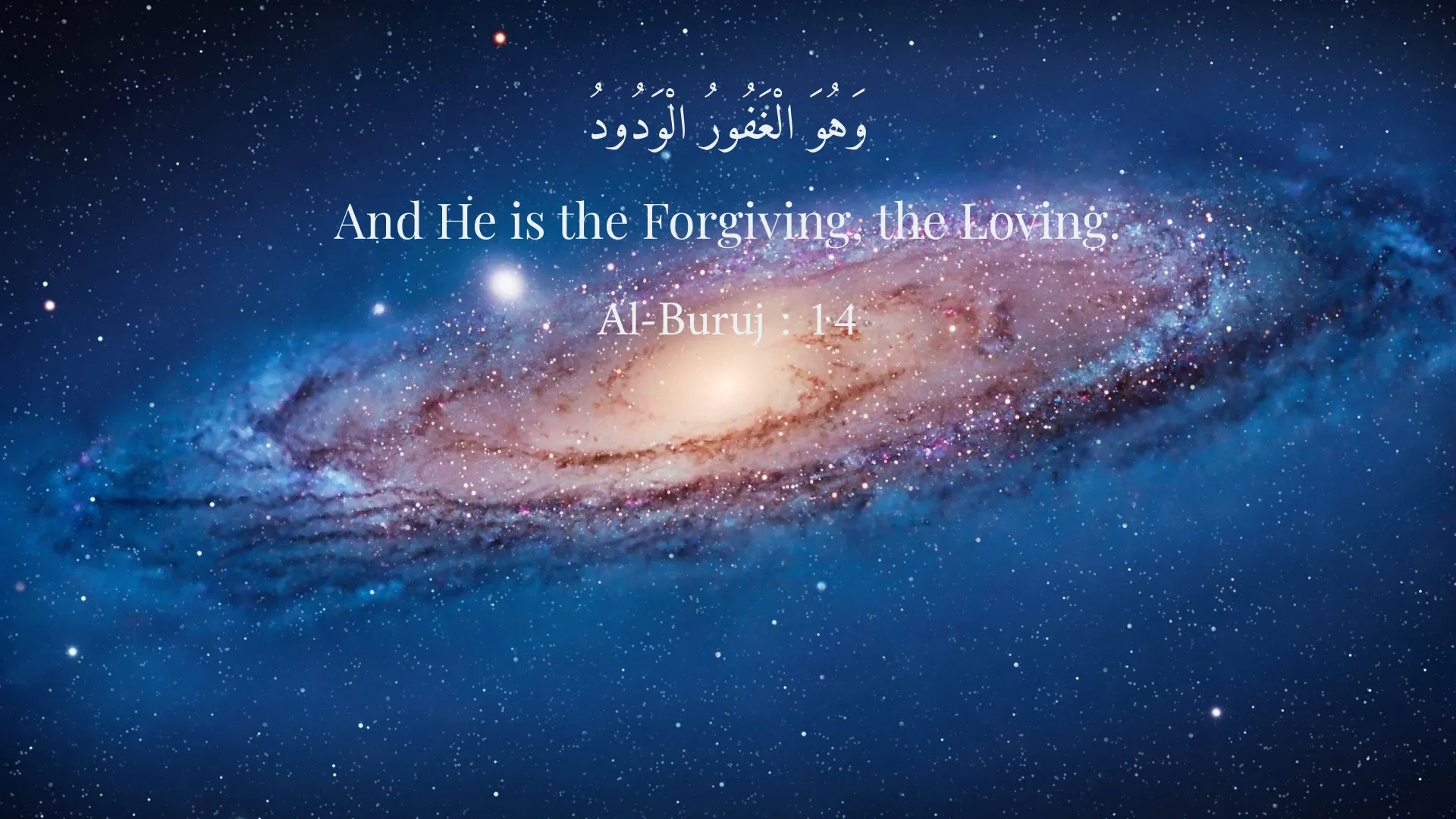
وَهُوَ الْغَفُورُ الْوَدُودُ
And He is the Forgiving, the Loving.
Al-Buruj : 14
قُلْ يَا عِبَادِيَ الَّذِينَ أَسْرَفُوا عَلَىٰ أَنفُسِهِمْ لَا تَقْنَطُوا مِن رَّحْمَةِ اللَّهِ ۚ إِنَّ اللَّهَ يَغْفِرُ الذُّنُوبَ جَمِيعًا ۚ إِنَّهُ هُوَ الْغَفُورُ الرَّحِيمُ
Say, "O My servants who have transgressed against themselves [by sinning], do not despair of the mercy of Allah. Indeed, Allah forgives all sins. Indeed, it is He who is the Forgiving, the Merciful."
Az-Zumar : 53
وَاكْتُبْ لَنَا فِي هَٰذِهِ الدُّنْيَا حَسَنَةً وَفِي الْآخِرَةِ إِنَّا هُدْنَا إِلَيْكَ ۚ قَالَ عَذَابِي أُصِيبُ بِهِ مَنْ أَشَاءُ ۖ وَرَحْمَتِي وَسِعَتْ كُلَّ شَيْءٍ ۚ فَسَأَكْتُبُهَا لِلَّذِينَ يَتَّقُونَ وَيُؤْتُونَ الزَّكَاةَ وَالَّذِينَ هُم بِآيَاتِنَا يُؤْمِنُونَ
And ordain for us in this world good and in the Hereafter; indeed, we have turned to You. He said, "My punishment—I afflict with it whom I will, but My mercy encompasses all things." So I will decree it for those who fear Allah and give zakah and those who believe in Our verses.
Al-A'raf : 156
Short Story
There once was a man who constantly complained about the hardships and deficiencies in his life, feeling utterly alone and abandoned. One day, a wise old man, who became aware of his state, said to him: “My friend, look around you. Do you not see the sun shining for you every day? Do you not realize the air you breathe freely and the water that quenches your thirst? Has God ever stopped providing for you? These are but a drop from the boundless ocean of His generosity. Even your ability to complain is a sign of life, a gift from Him. How can you doubt His love, when His blessings encompass you like a warm embrace?” The man, deeply affected by the wise words, humbly began to see the world from a new perspective, realizing that even amidst hardships, God’s silent love was always present and flowing.