Quranic Answer
The profound question, "How can I consider myself worthy of God's grace?" delves into our deep relationship with the Creator and the means to attract divine benevolence. It's crucial to acknowledge that the concept of "worthiness" when referring to the infinite essence of God differs significantly from human interactions. God's grace and generosity are boundless and are not solely based on pure merit, but rather on His vast mercy, as stated: "And My mercy has encompassed all things" (Al-A'raf/7:156). Nevertheless, the Holy Quran outlines specific paths and characteristics for servants who receive more particular attention and grace from God. This "worthiness" implies creating a conducive environment and conditions that allow divine blessings to flow into our lives, rather than us being inherently "deserving," for everything we possess is from Him, and no single action of ours can make God "indebted" to us. Rather, as servants, through effort and striving, we place ourselves in the path of receiving this immense grace. 1. Sincere Faith (Iman) and Firm Monotheism (Tawhid): The first and most crucial step is genuine belief in the oneness of God, His perfect attributes, and the prophethood of His messengers. The Quran repeatedly emphasizes Tawhid (monotheism) and considers polytheism the gravest sin, as it obstructs the full reception of divine grace: "Indeed, Allah does not forgive association with Him, but He forgives what is less than that for whom He wills" (An-Nisa/4:48). One whose heart is filled with faith in God and worships Him alone has laid the foundation for attracting divine grace. This faith must be accompanied by knowledge; that is, knowing God through His signs in the universe and within ourselves, and contemplating His words. The deeper this knowledge, the stronger and more impactful the faith will be, guiding humanity towards sincere servitude. Faith is affirmed not only by the tongue but also by the heart and actions. In fact, being guided towards faith itself is one of the greatest divine favors, for which we must be grateful and express our gratitude through action. 2. Continuous Piety and God-consciousness (Taqwa): Taqwa signifies fear of God, abstaining from sins, and adhering to divine commandments. The Quran describes the pious as those who are supported and favored by God. Taqwa acts like a shield, protecting one from slips and granting insight and guidance. "And whoever fears Allah - He will make for him a way out And will provide for him from where he does not expect" (At-Talaq/65:2-3). This verse clearly shows that Taqwa brings divine grace not only in the Hereafter but also in worldly affairs, leading to solutions and unexpected provisions. Taqwa is a continuous awareness of being in God's presence, ensuring that one considers divine pleasure in all actions and avoids whatever displeases Him. This continuous mindfulness gradually leads a person to the station of Ihsan, where one perceives God as present and observant, performing deeds with greater precision and sincerity. 3. Performing Righteous Deeds (Amal Salih) and Pure Beneficence (Ihsan): God's grace encompasses those who act upon what they have learned and strive in the path of good. These actions include individual acts of worship like prayer and fasting, as well as social worship such as helping the needy, upholding justice, showing kindness to parents and neighbors, and anything that brings God's pleasure. "Indeed, Allah loves the doers of good" (Al-Baqarah/2:195 and Ali 'Imran/3:134). This divine love is itself the greatest grace and favor. Righteous deeds not only benefit others but also purify the human soul and bring it closer to the source of divine grace. Any act performed with pure intention for the sake of God, no matter how small, can be a gateway to infinite divine favor. The importance of intention in righteous deeds purifies them from any hypocrisy or ostentation, multiplying their value in the sight of God. 4. Continuous Repentance (Tawbah) and Seeking Forgiveness (Istighfar) with a Remorseful Heart: No human is infallible, and all of us, to varying degrees, commit errors and sins. The path back to divine grace is sincere repentance (Tawbah Nasuh) and continuous seeking of forgiveness. God is the Oft-Forgiving and the Most Merciful; He loves those who regret their sins and turn back to Him, and He forgives their sins. "Say, 'O My servants who have transgressed against themselves [by sinning], do not despair of the mercy of Allah. Indeed, Allah forgives all sins. Indeed, it is He who is the Forgiving, the Merciful'" (Az-Zumar/39:53). This verse opens an ocean of hope and divine grace for humanity. The feeling of being "worthy" of God's grace is attained through this hope for forgiveness and the acceptance of repentance. True repentance is not just regret for the past but also a firm resolve not to return to sin and to make amends for past wrongs. 5. Gratitude (Shukr) and Constant Remembrance (Dhikr) in All States: Gratitude for divine blessings is among the ways to invite more of His grace. The Quran states: "And [remember] when your Lord proclaimed, 'If you are grateful, I will surely increase you [in favor]; but if you deny, indeed, My punishment is severe'" (Ibrahim/14:7). Gratitude is expressed not only verbally but also by correctly utilizing blessings in a way that pleases God. Constant remembrance of God (Dhikr), remembering Him at all times, and seeking His help keep the heart alive and strengthen the spiritual connection with the Creator. One who is constantly engaged in Dhikr and Shukr places themselves within the orbit of divine grace and favor. Dhikr brings peace to hearts and protects one from temptations and forgetfulness. 6. Patience (Sabr) and Reliance on the Unique Divine Essence (Tawakkul): Human life is full of ups and downs and divine tests. Patience in the face of difficulties, obedience to divine commands and avoidance of prohibitions, and placing full reliance on God in all matters are characteristics of believers who receive special divine grace. "And give good tidings to the patient" (Al-Baqarah/2:155). God loves the patient and rewards them without measure. This patience is an active patience; meaning, striving to improve the situation while trusting in divine planning and submitting to His decree. Tawakkul also means complete reliance on God after exhausting all possible efforts, with the certainty that He is the best planner of affairs. Ultimately, to "consider ourselves worthy" of God's grace, we must embark on a journey of sincere servitude, piety, righteous deeds, repentance, and gratitude. This path is a continuous and progressive journey, not a destination where we stop upon arrival. Every step we take with pure intention and strong will, no matter how small, brings us closer to God's boundless grace. The important thing is not to despair of God's mercy and always turn to Him with a hopeful heart and sincere actions, for He is the Most Merciful of the merciful, and His mercy precedes His wrath. True feelings of worthiness arise when we understand that we are striving to be His best servants, not claiming flawlessness, but always in need of His favor and generosity, and acknowledging this need. This acceptance of imperfection and striving to compensate for it is, in itself, perfection in the sight of God.
Related Verses
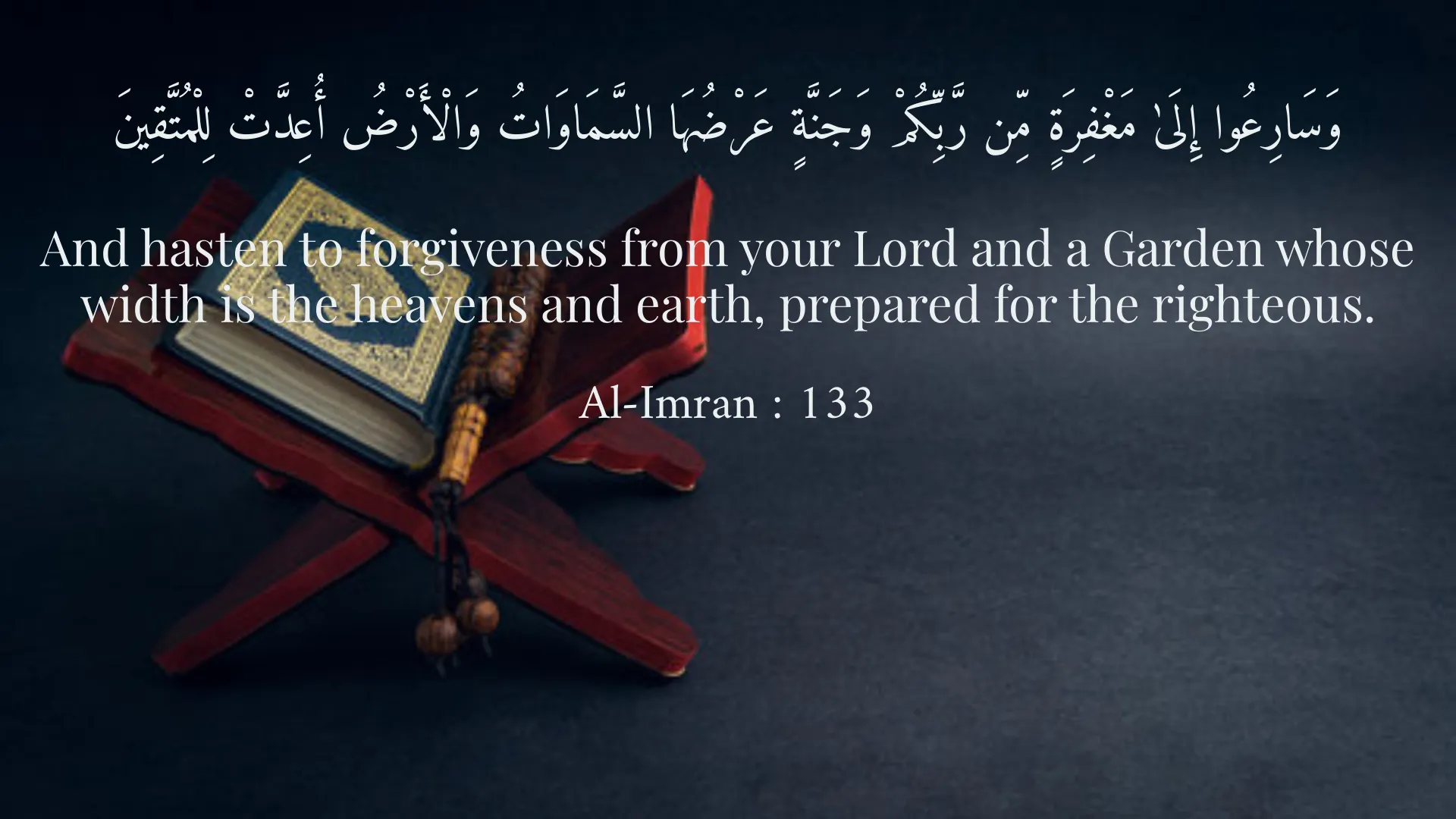
وَسَارِعُوا إِلَىٰ مَغْفِرَةٍ مِّن رَّبِّكُمْ وَجَنَّةٍ عَرْضُهَا السَّمَاوَاتُ وَالْأَرْضُ أُعِدَّتْ لِلْمُتَّقِينَ
And hasten to forgiveness from your Lord and a Garden whose width is the heavens and earth, prepared for the righteous.
Al-Imran : 133
الَّذِينَ يُنفِقُونَ فِي السَّرَّاءِ وَالضَّرَّاءِ وَالْكَاظِمِينَ الْغَيْظَ وَالْعَافِينَ عَنِ النَّاسِ ۗ وَاللَّهُ يُحِبُّ الْمُحْسِنِينَ
Who spend [in the cause of Allah] during ease and hardship and who restrain anger and who pardon the people - and Allah loves the doers of good.
Al-Imran : 134
قُلْ يَا عِبَادِيَ الَّذِينَ أَسْرَفُوا عَلَىٰ أَنفُسِهِمْ لَا تَقْنَطُوا مِن رَّحْمَةِ اللَّهِ ۚ إِنَّ اللَّهَ يَغْفِرُ الذُّنُوبَ جَمِيعًا ۚ إِنَّهُ هُوَ الْغَفُورُ الرَّحِيمُ
Say, "O My servants who have transgressed against themselves [by sinning], do not despair of the mercy of Allah. Indeed, Allah forgives all sins. Indeed, it is He who is the Forgiving, the Merciful."
Az-Zumar : 53
وَإِذْ تَأَذَّنَ رَبُّكُمْ لَئِن شَكَرْتُمْ لَأَزِيدَنَّكُمْ ۖ وَلَئِن كَفَرْتُمْ إِنَّ عَذَابِي لَشَدِيدٌ
And [remember] when your Lord proclaimed, "If you are grateful, I will surely increase you [in favor]; but if you deny, indeed, My punishment is severe."
Ibrahim : 7
وَمَن يَتَّقِ اللَّهَ يَجْعَل لَّهُ مَخْرَجًا
And whoever fears Allah - He will make for him a way out
At-Talaq : 2
وَيَرْزُقْهُ مِنْ حَيْثُ لَا يَحْتَسِبُ ۚ وَمَن يَتَوَكَّلْ عَلَى اللَّهِ فَهُوَ حَسْبُهُ ۚ إِنَّ اللَّهَ بَالِغُ أَمْرِهِ ۚ قَدْ جَعَلَ اللَّهُ لِكُلِّ شَيْءٍ قَدْرًا
And will provide for him from where he does not expect. And whoever relies upon Allah - then He is sufficient for him. Indeed, Allah will accomplish His purpose. Allah has already set for everything a [decreed] extent.
At-Talaq : 3
Short Story
Long ago, in a bustling city, there lived a wealthy and perpetually troubled merchant. Despite his vast riches, his heart was never at peace. One day, passing by a small lodge, he saw a poor dervish, clad in tattered clothes, yet with a smiling face and a heart full of gratitude, engaged in the remembrance of God. The merchant addressed him, saying, "O man of God, I see you possess neither wealth nor status, yet you seem more at ease than I, who has everything! How can this be?" The dervish replied with a warm smile, "My dear sir, this is the grace of God, which descends not upon status and riches, but upon a heart that is with Him and a tongue that is vocal in gratitude. I have lightened the burden of the world and carry only the burden of gratitude and servitude. Worthiness of God's grace is not found in wealth or grand palaces, but in a heart that is oblivious to self and overflowing with servitude and contentment. That is why God showers His blessings upon the humblest of hearts, not upon the proudest of palaces." The merchant pondered these words deeply, realizing that true peace and divine grace lay in connection with the Creator and acceptance of destiny with gratitude, rather than in the accumulation of worldly possessions.