Quranic Answer
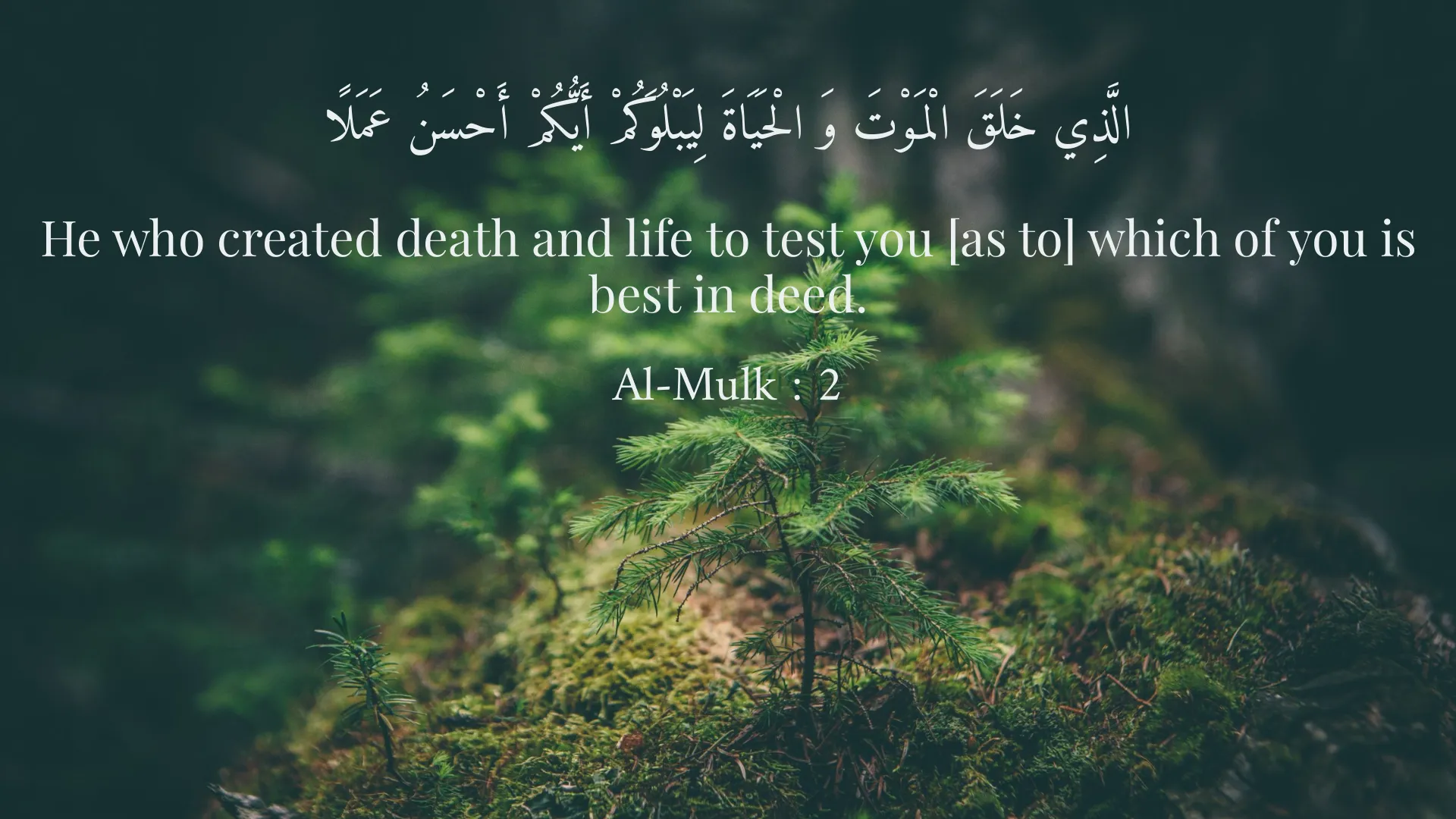
Detaching oneself from worldly possessions is a mental and spiritual process that resonates deeply within the teachings of the Holy Quran. This sacred text serves as a guide for millions of Muslims around the world, emphasizing that the material world, with its transitory nature, should not anchor one's heart away from the divine essence of life and purpose. The Holy Quran underscores the significance of sincerity in actions while cautioning against an excessive dependence on worldly treasures. To explore the Quranic perspective on this theme, one may refer to Surah Al-Mulk, specifically verse 2: "He who created death and life to test you [as to] which of you is best in deed." This verse underscores a profound reality: life and death are in the domain of God's sovereignty, and our sojourn on this earth is essentially a test wherein our deeds determine our standing before Him. In context, this means that we should place our focus on performing righteous acts rather than becoming ensnared by worldly distractions. Such a view prompts believers to reconsider their priorities and the foundations upon which they build their lives. The first step in the process of detachment from materialism involves recognizing the true and lasting values in life—values that transcend simple physical possession. The Quran consistently reminds us that our time on Earth is limited, emphasizing the importance of using that time wisely in partnership with our spiritual journey. By acknowledging that our ultimate goal should be aligned with God’s pleasure and the teachings of the Prophet Muhammad, individuals can strategically distance themselves from the clutches of materialism. Furthermore, the understanding that this world serves as a trial can significantly bolster our devotion to God. In Surah At-Tawbah, verse 24, Allah commands, "Say: If your fathers, your sons, your brothers, your wives, your kindred, the wealth which you have gained, the commerce in which you fear a decline, and the dwellings in which you delight—are dearer to you than Allah and His Messenger and jihad in His path—then wait until Allah executes His command. And Allah does not guide the defiantly disobedient people." This powerful verse acts as a mirror for the believer. It instigates a critical reflection upon what truly commands our affection and allegiance. If any worldly object or relationship takes precedence over our love for Allah and the pursuit of righteous deeds, this should prompt us to introspect and purify our hearts from such attachments. The wisdom embedded in the Quran invites believers to contemplate that true fulfillment and happiness emanate not from worldly possessions, but through the development of a sincere relationship with God. Detaching from worldly attachments allows one to deepen their spiritual practice and fosters resilience against trials and tribulations of life. Additionally, continuous contemplation and remembrance (Dhikr), which draw us into a closer relationship with God, can assist greatly in this endeavor of non-attachment to worldly possessions. Reading and reflecting on Quranic verses offer invaluable opportunities for introspection and spiritual growth. Engaging with the text not only enhances our intellectual understanding of its meanings but cements it into our hearts—the true seat of belief and intention. Making the Quran a central component of one’s life can help anchor us amidst life's fluctuations. Moreover, practical steps can complement this spiritual journey of detachment from materialism. Regular acts of charity, known as Zakat, can bridge the gap between what we own and our intrinsic duty of sharing our blessings with those in need. Engaging in acts of service encourages compassion, empathy, and strengthens community ties, redirecting focus from self-centered concerns to collective upliftment. This continual act of giving can act as a counter-measure against the sting of greed that might arise from excessive clinging to material wealth. Furthermore, the words of the Prophet Muhammad (peace be upon him) reinforce the principles found within the Quran, as he emphasized the transient nature of worldly possessions. The Prophet stated, "The world is a prison for the believer and a paradise for the disbeliever." Such a powerful statement reiterates that as Muslims, our focus should be on the eternal aspects of existence rather than the fleeting nature of material wealth. Through teachings that stress the importance of prioritizing the spiritual over the material, the message is clear: one should strive to cultivate a lifestyle that reflects inner contentment, gratitude, and a commitment to service. Engagement in community activities, performing acts of kindness, and nurturing relationships based on love and respect can contribute significantly to our spiritual journey. Such commitments not only positively affect our lives but also radiate outward, illuminating the lives of those around us. In times of difficulty and hardship, the practice of detaching from worldly possessions becomes crucial. Trials are often meant to test our resilience and faith in God. By remembering the transient nature of this world, believers can find solace in God's wisdom and mercy, trusting in the promise of betterment in both this life and the Hereafter. In conclusion, the Quran presents a profound framework for detaching oneself from worldly possessions, emphasizing mental and spiritual growth. By fostering a deep connection with the divine, adhering to the teachings of the Prophet, engaging in acts of compassion and charity, and continually reflecting on Quranic wisdom, individuals can reconcile their lives with a greater purpose. This transformative journey elevates the soul, reconnecting it to its Creator, ensuring that we remain anchored in faith, rather than becoming adrift in the sea of material possessions. Ultimately, the goal is clear: to appreciate the transient nature of this world, while focusing our hearts and actions for the everlasting life to come.
Related Verses
الَّذِي خَلَقَ الْمَوْتَ وَ الْحَيَاةَ لِيَبْلُوَكُمْ أَيُّكُمْ أَحْسَنُ عَمَلًا
He who created death and life to test you [as to] which of you is best in deed.
Al-Mulk : 2
قُلْ إِن كَانَ آبَاؤُكُمْ وَأَبْنَاؤُكُمْ وَإِخْوَانُكُمْ وَأَزْوَاجُكُمْ وَعَشِيرَتُكُمْ وَأَمْوَالٌ اقْتَرَفْتُمُوهَا وَتِجَارَةٌ تَخْشَوْنَ كَسَادَهَا وَمَسَاكِنُ تَرْضَوْنَهَا أَحَبَّ إِلَيْكُمْ مِّنَ اللَّهِ وَرَسُولِهِ وَجِهَادٍ فِي سَبِيلِهِ
Say, 'If your fathers, your sons, your brothers, your wives, your relatives, the wealth which you have obtained, and the commerce in which you fear decline, are more beloved to you than Allah and His Messenger and jihad in His cause, then wait until Allah executes His command.'
At-Tawbah : 24
Short Story
One day, a man found himself lost in the materialistic world and wondered how to detach from it. He decided to visit a scholar to seek guidance. The scholar told him, "This life is a trial, and abundance is fleeting. Focus on God and the afterlife, and lift your gaze from worldly possessions." Gradually, the man became familiar with divine reminders, and his heart found peace.