Quranic Answer
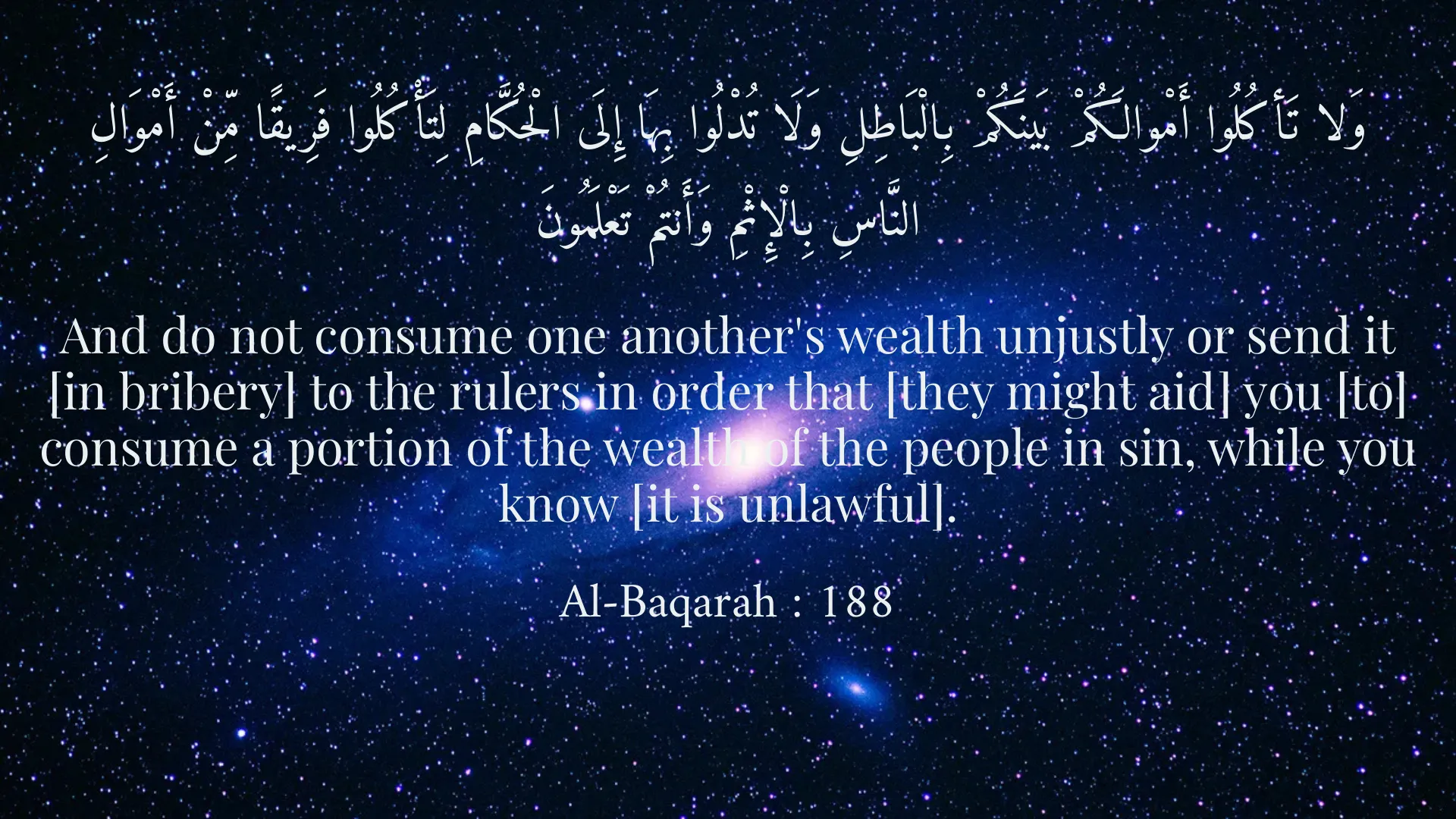
Taking care of the heart is one of the most important responsibilities of every Muslim, transcending the mere physical organ to embrace spiritual and emotional dimensions. The heart, in Islamic teachings, symbolizes the spiritual essence of an individual, acting as the focal point of one's intentions, feelings, and beliefs. Throughout the Quran, Allah emphasizes the necessity of maintaining a pure heart, urging believers to foster an inner state that reflects their faith in Him. In the modern world, where distractions and temptations abound, understanding the significance of heart care becomes increasingly crucial. This article delves into the importance of nurturing the heart from an Islamic perspective, exploring its spiritual meanings, relevant Quranic verses, and practical applications for personal development and emotional well-being. Historically, the heart holds a central place in Islamic thought, embodying the essence of human identity and experience. The Quran refers to the heart not only in the context of physical health but, more significantly, as the locus of spiritual enlightenment and moral integrity. It is essential to recognize that the heart serves as a mirror reflecting one’s internal state, revealing the purity or corruption of one's intentions and actions. A pivotal verse in the Quran is from Surah Al-Baqarah, verse 188: 'And do not consume one another's wealth unjustly or send it [in bribery] to the rulers in order that [they might aid] you [to] consume a portion of the wealth of the people in sin, while you know [it is unlawful].' This verse encapsulates the moral framework within which a Muslim operates, highlighting the significance of ethical conduct in ensuring the heart remains untainted by wrongful deeds. The act of injustice, such as engaging in corruption or exploiting others, corrupts the heart, leading to a state of spiritual malaise. Thus, nurturing a clean heart entails actively avoiding actions that compromise ethical principles and justice. In addition to outward actions, the Quran encourages believers to cultivate inner virtues. In Surah Al-Imran, verse 165, Allah states: 'Did you think that you would enter Paradise while Allah has not yet made evident those who strive among you and made evident those who are patient?' This verse draws attention to the virtues of perseverance and self-discipline, underscoring that true faith is tested through trials and tribulations. A heart imbued with faith and unwavering determination in following God's commandments signifies a pure heart, one that remains steadfast despite life’s challenges. Equally important is the need to avoid moral vices that can taint the heart, including envy, hatred, and arrogance. These negative emotions act as barriers between oneself and the divine, clouding judgment and leading to a disconnection from spiritual truths. They foster harmful behaviors that not only affect the individual but also reverberate throughout the community. Thus, Muslims are encouraged to engage in self-reflection and strive for positive character traits that will fortify the heart against such moral pitfalls. In today's fast-paced world, individuals often find themselves disconnected from their emotional and spiritual states. The pressures of life can impede one’s ability to genuinely reflect on personal feelings and intentions. Therefore, practices such as meditation, prayer, and mindfulness become essential tools for heart purification. These practices allow one to reconnect with the self and foster an environment conducive to spiritual growth. Through consistent meditation and reflection, individuals can achieve a state of tranquility and clarity, ultimately leading to a more profound connection with Allah. Prayer, in particular, is one of the most powerful means through which Muslims can care for their hearts. The act of prayer fosters humility and submission to Allah, reminding individuals of their dependent status and encouraging gratitude. Regular prayer opens a direct line of communication with the Creator, allowing individuals to express their innermost feelings, seek guidance, and request forgiveness for their wrongdoings. This honest dialogue serves not only as a cathartic release but also as a means to cleanse the heart from negativity and seek divine support in overcoming moral challenges. Another vital aspect of heart care is the recitation of the Quran. The Quran serves as a guiding light for the believer, providing wisdom, solace, and clarity. Engaging with its verses allows individuals to internalize its teachings, drawing inspiration and courage from the stories of earlier prophets and the lessons embedded within. The beauty of the Quran lies in its ability to resonate with an individual’s heart, providing strength during times of trial and reminding them of Allah’s mercy and compassion. Furthermore, the Islamic community, or Ummah, plays a significant role in supporting heart care through collective activities that promote spiritual well-being. Engaging in community services, charitable acts, and congregational prayers enhances social bonds and cultivates a collective consciousness focused on righteousness. These practices reinforce the understanding that together, individuals can uplift each other and work towards a common goal of serving Allah and helping one another. To conclude, taking care of the heart in an Islamic context is a multifaceted endeavor that requires active engagement with one's faith, ethical standards, and community. It involves not just the avoidance of sinful acts but also the cultivation of virtuous traits that strengthen one’s character. By understanding the psychological, emotional, and spiritual dimensions of the heart, Muslims are equipped to navigate life's challenges while maintaining their integrity in the sight of Allah. Ultimately, a sincere commitment to heart care draws individuals closer to their Creator, filling their lives with peace, purpose, and spiritual fulfillment. In a world where distractions abound, the call to nurture the heart remains a timeless and fundamental duty for every Muslim.
Related Verses
وَلا تَأكُلُوا أَمْوالَكُمْ بَينَكُمْ بِالْبَاطِلِ وَلَا تُدْلُوا بِهَا إِلَى الْحُكَّامِ لِتَأْكُلُوا فَرِيقًا مِّنْ أَمْوَالِ النَّاسِ بِالْإِثْمِ وَأَنتُمْ تَعْلَمُونَ
And do not consume one another's wealth unjustly or send it [in bribery] to the rulers in order that [they might aid] you [to] consume a portion of the wealth of the people in sin, while you know [it is unlawful].
Al-Baqarah : 188
أَمْ حَسِبْتُمْ أَن تَدْخُلُوا الْجَنَّةَ وَلَمَّا يَعْلَمِ اللَّهُ الَّذِينَ جَاهَدُوا مِنكُمْ وَيَعْلَمَ الصَّابِرِينَ
Did you think that you would enter Paradise while Allah has not yet made evident those who strive among you and made evident those who are patient?
Al-Imran : 165
Short Story
One day, a man named Ahmad was on his way to the mosque and came across a child who appeared very sad. Ahmad spoke to him and found out that the child was upset about losing a friend. Ahmad told him a beautiful story and reminded him that our hearts should be like a clear spring, free from grudges and hatred. The child realized that he must preserve happiness and love in his heart, and that day, he was thankful for the joy Ahmad brought him.