Quranic Answer
Liberating Oneself from Dependence on Humans: A Spiritual Journey Towards Self-Sufficiency In an increasingly interconnected world, the challenge of liberating oneself from dependence on humans has become a pressing issue. People often find themselves caught in webs of emotional interdependence, seeking validation, love, and support from friends, family, or society at large. While human relationships are undoubtedly valuable, the Quran emphasizes the importance of relying solely on God (Allah) for ultimate fulfillment and strength. This article explores the Islamic teachings regarding self-reliance and the importance of fostering a deep and abiding faith in God. The teachings of the Quran provide profound insights into the notion of reliance on the divine. In Surah Al-Imran, verse 173, it states, 'And do not think that those who disbelieve are going to escape; they will not cause failure to Allah.' This powerful reminder illuminates the fact that no one, regardless of their power or influence, can overpower Allah. This verse serves as a poignant reminder that Allah is the ultimate protector and provider. Therefore, our reliance should firmly rest upon Him and not on the uncertain whims of human relationships. Dependence on humans often arises from a desire for love, attention, or support, which are legitimate needs in our lives. However, it is crucial to understand that human affection can be transient and unreliable. Friends may come and go, family dynamics may shift, and societal pressures can change. These fluctuations can leave us feeling vulnerable and uncertain. However, the Quran teaches that only God can authentically meet our true needs. Surah Al-Ma'idah, verse 54 articulates this beautifully: 'O you who have believed, whoever of you reverts from his religion - Allah will bring forth for the people.' This verse not only emphasizes the need for faith in God but also highlights that true allegiance and affection should primarily be directed towards God and His Messenger. To truly liberate ourselves from dependence on humans, it is imperative to strengthen our trust and reliance on God. This journey towards self-sufficiency begins with understanding the nature of our needs and desires. Daily prayers (Salah) serve as an essential practice that connects us with the divine, providing a structured opportunity for reflection and supplication. Through prayer, we are reminded of our submission to God's will and the importance of seeking His guidance in every aspect of our lives. Furthermore, making a habit of engaging in dua (supplication) allows individuals to address their personal concerns, aspirations, and fears directly to Allah, nurturing a sense of intimacy and reliance on Him. Keeping in touch with God entails more than just formal prayers; it requires an ongoing, conscious commitment to creating a meaningful relationship with the divine. This can include reading the Quran regularly, reflecting on its teachings, and incorporating these lessons into our daily lives. Understanding the history of the prophets and their reliance on Allah in moments of hardship can serve as powerful examples of faith in action. The path to reducing dependence on humans is also aligned with cultivating self-awareness and self-love. Often, the search for validation and support from others stems from insecurities within ourselves. Before seeking affection from external sources, it is essential to nurture a loving relationship with ourselves. This can be achieved through reflection, affirmations, and recognizing our value as creations of Allah. By fostering self-acceptance, we build resilience and a strong sense of identity that does not rely on external approval. In addition, engaging in community service and charitable acts can fulfill the need for interpersonal connections while ensuring that the focus remains on serving God. These acts of kindness can deepen our connection to the divine purpose and help us acknowledge that human relationships are part of a larger spiritual journey rather than the ultimate source of our strength. Islam teaches that helping others is a way to draw nearer to Allah, and through service, we can find fulfillment and purpose without relying on human validation. Building spiritual resilience also means understanding and accepting the impermanence of life. Human relationships can dissolve or change, and we must be prepared for these realities. By fostering a strong relationship with Allah, we create an emotional anchor that remains steadfast amidst life's storms. This divine connection reassures us that, regardless of human circumstances, we are supported and guided by a higher power. In conclusion, liberating oneself from dependence on humans involves a profound spiritual journey that requires ongoing commitment and faith. The Quran provides invaluable guidance, encouraging believers to place their trust solely in Allah and to regard Him as the source of true love and fulfillment. Through daily prayers, supplication, and fostering a deep relationship with God, individuals can find strength, purpose, and resilience that transcends the transient nature of human relationships. As we strive for independence from the expectations and limitations set by others, we cultivate a richer, more meaningful existence anchored in the certainty of God's love and guidance. Ultimately, this journey not only liberates the individual but also fosters a deeper understanding of the interconnectedness of all believers united in faith. By embracing these teachings and practices, we empower ourselves to become self-sufficient individuals whose reliance is firmly placed on the One who never fails. Let us embark on this journey to strengthen our reliance on Allah and find true fulfillment in His presence.
Related Verses
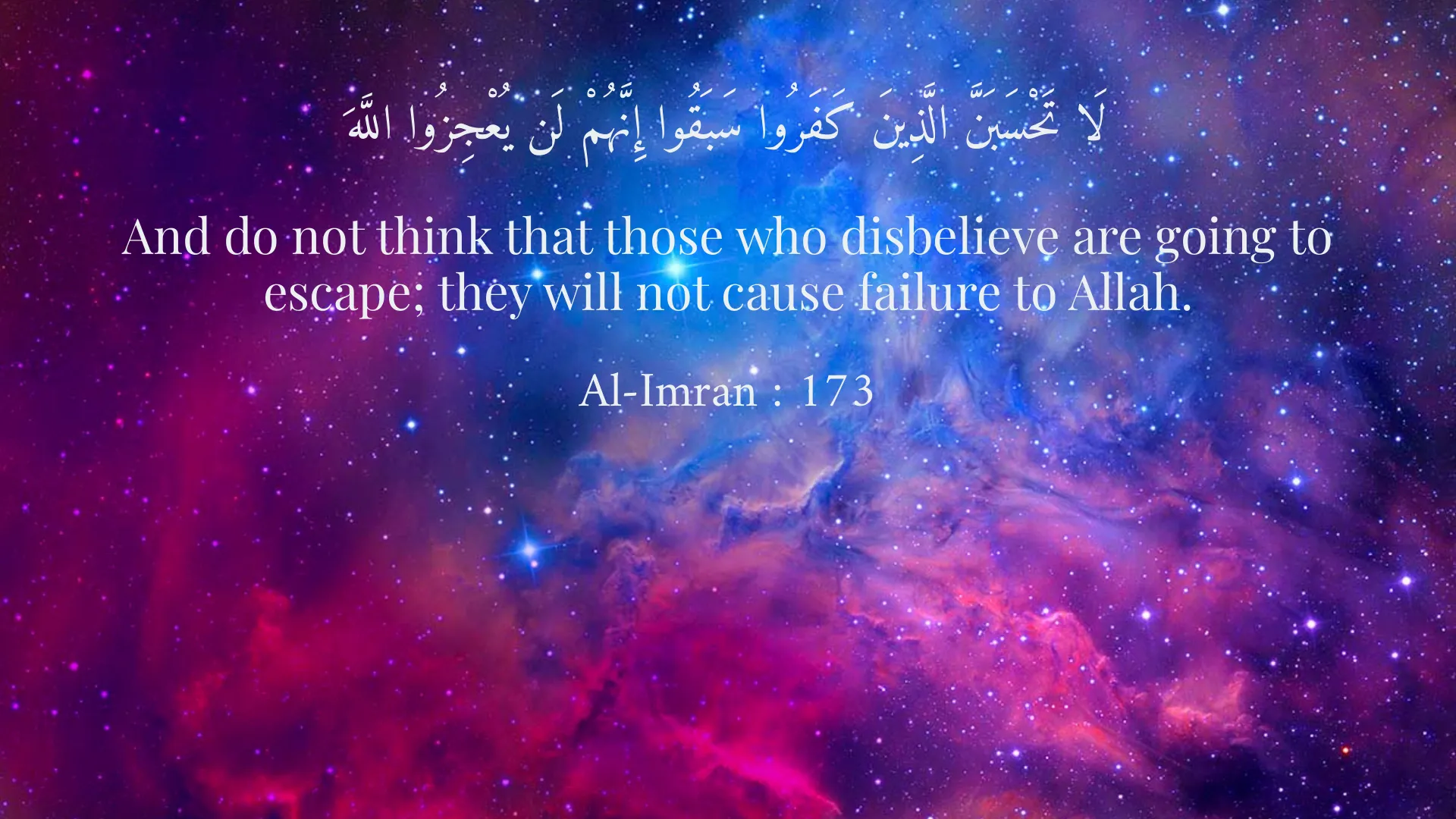
لَا تَحْسَبَنَّ الَّذِينَ كَفَرُوا سَبَقُوا إِنَّهُمْ لَن يُعْجِزُوا اللَّهَ
And do not think that those who disbelieve are going to escape; they will not cause failure to Allah.
Al-Imran : 173
يَا أَيُّهَا الَّذِينَ آمَنُوا مَنْ يَرْتَدَّ مِنْكُمْ عَنْ دِينِهِ فَسَوْفَ يَأْتِي اللَّهُ بِقَوْمٍ يُحِبُّهُمْ وَيُحِبُّونَهُ
O you who have believed, whoever of you reverts from his religion - Allah will bring forth for the people.
Al-Ma'idah : 54
Short Story
Once upon a time, there was a young man named Hasan who felt perpetually dependent on his friends and surroundings. He remembered the verses of the Quran and decided to draw closer to God. Hasan started praying and supplicating, and gradually realized that every time he relied on God, his dependence on humans lessened, and he began to feel a greater sense of peace.