Quranic Answer
The Human Heart: A Quest for Goodness and Virtue The human heart, often regarded as the seat of emotions and morality, inherently tends toward goodness and virtue. This intrinsic tendency is interwoven within the fabric of human existence, shaping our aspirations, values, and interactions with one another. Throughout history, philosophers, theologians, and spiritual leaders have pondered the nature of the heart and its inclination towards noble qualities. In the context of Islamic teachings, the Quran provides profound insights into the nature of the heart and offers guidance on how to strengthen one's faith, distance oneself from sin, and cultivate a virtuous life. One compelling aspect derived from the teachings of the Quran is the notion that faith and piety serve as powerful tools to combat sinful inclinations. In Surah Al-Baqarah, verse 2, Allah describes the believers in a profound manner. He states, "This is the Book about which there is no doubt, a guidance for those conscious of Allah—who believe in the unseen, establish prayer, and spend out of what We have provided for them." This verse underscores the fundamental importance of faith, emphasizing that true believers are those who possess an unwavering belief in the unseen—the spiritual realities that transcend the material world. They not only affirm their faith through belief but also express it by establishing regular prayers and being charitable with their resources. In essence, the heart's connection with God is nurtured through acts of worship and charity. Prayer, known as Salah, is a pivotal cornerstone of Islamic practice. It serves as a direct link between the believer and their Creator, cultivating a sense of mindfulness and spiritual awareness. Engaging in Salah consistently reminds individuals of their purpose, aligns their intentions with divine will, and instills a sense of discipline that permeates other aspects of their lives. Furthermore, charitable spending—an expression of compassion and selflessness—reinforces empathy and drives believers to engage positively with society. Together, these practices enhance one’s faith and contribute to the purification of the heart. In addition to the connection established through prayer and charitable acts, the Quran offers guidance on navigating despair and fear, which can hinder one's pursuit of virtue. In Surah Aal-Imran, verse 139, Allah reassures the believers, stating: "And do not lose hope, nor grieve, and you will certainly be superior if you are believers." This powerful verse serves as a reminder that maintaining faith amidst life's challenges is essential. Believers are encouraged to adopt a positive outlook, acknowledging that ups and downs are part of the human experience. The resilience expected of believers not only fosters inner strength but also reinforces their moral compass. Despair can often cloud judgment and lead individuals to stray into sinful behavior. However, by embracing faith, believers can confront difficulties with courage and hope. This mindset encourages them to seek growth in adversity, thus transforming challenges into stepping stones for greater spiritual and personal development. In doing so, believers can uphold their commitment to goodness and virtue, even when faced with trials and tribulations. An often overlooked yet essential aspect of purifying the heart involves the practice of supplication and seeking forgiveness from God. The Quran elucidates this principle in Surah Al-Furqan, verse 70, where it states: "Except for those who repent, believe, and do righteous deeds. For them Allah will replace their evil deeds with good. And ever has Allah been Forgiving and Merciful." This verse highlights the profundity of sincere repentance as a means of not only absolving oneself of past misdeeds but also reorienting the heart towards righteousness. The act of repentance signifies a heartfelt acknowledgment of one's shortcomings, accompanied by a genuine intention to improve and adhere to ethical and religious principles. Moreover, the assurance that Allah replaces evil deeds with good serves as a powerful motivator for believers. It instills hope and encourages individuals to strive for a virtuous path despite their past mistakes. Such a transformative process amplifies the heart's inclination towards goodness, reinforcing the idea that no matter how far one may have deviated, the path to redemption remains accessible through true repentance and righteous actions. On a broader scale, striving to perform good deeds and avoiding environments where sinful behaviors flourish can significantly reduce the inclination towards sin. The company we keep and the surroundings we inhabit significantly influence our thoughts, feelings, and actions. Engaging with individuals who embody similar values can inspire one to cultivate goodness, while exposure to negative influences may lead to moral decline. Consequently, believers are encouraged to seek out positive relationships and community environments that promote virtue, facilitate personal growth, and provide support on the spiritual journey. Additionally, it is crucial for individuals to prioritize self-awareness and reflect on their actions and intentions. Mindful practices, such as self-reflection and evaluation, allow believers to assess their progress in maintaining faith and virtue. Setting personal goals that align with spiritual growth can serve as a reminder of the dedication required to strengthen the heart's inclination toward goodness. By consciously choosing actions that foster virtue and alignment with divine guidance, individuals can effectively counteract sinful inclinations over time. In conclusion, the journey of the human heart is a profound quest for goodness and virtue, deeply rooted in faith and spirituality. Islamic teachings, as elucidated through the Quran, provide invaluable guidance for navigating life's intricacies, offering believers a pathway to purify their hearts and cultivate righteousness. Strengthening one's faith, embracing prayer, engaging in charitable acts, maintaining a positive outlook, seeking forgiveness, and surrounding oneself with virtuous influences—all contribute to fortifying the heart against the temptations of sin. Ultimately, by wholeheartedly striving for good deeds and nurturing a deep connection with God, individuals can embrace a life characterized by virtue, compassion, and fulfillment.
Related Verses
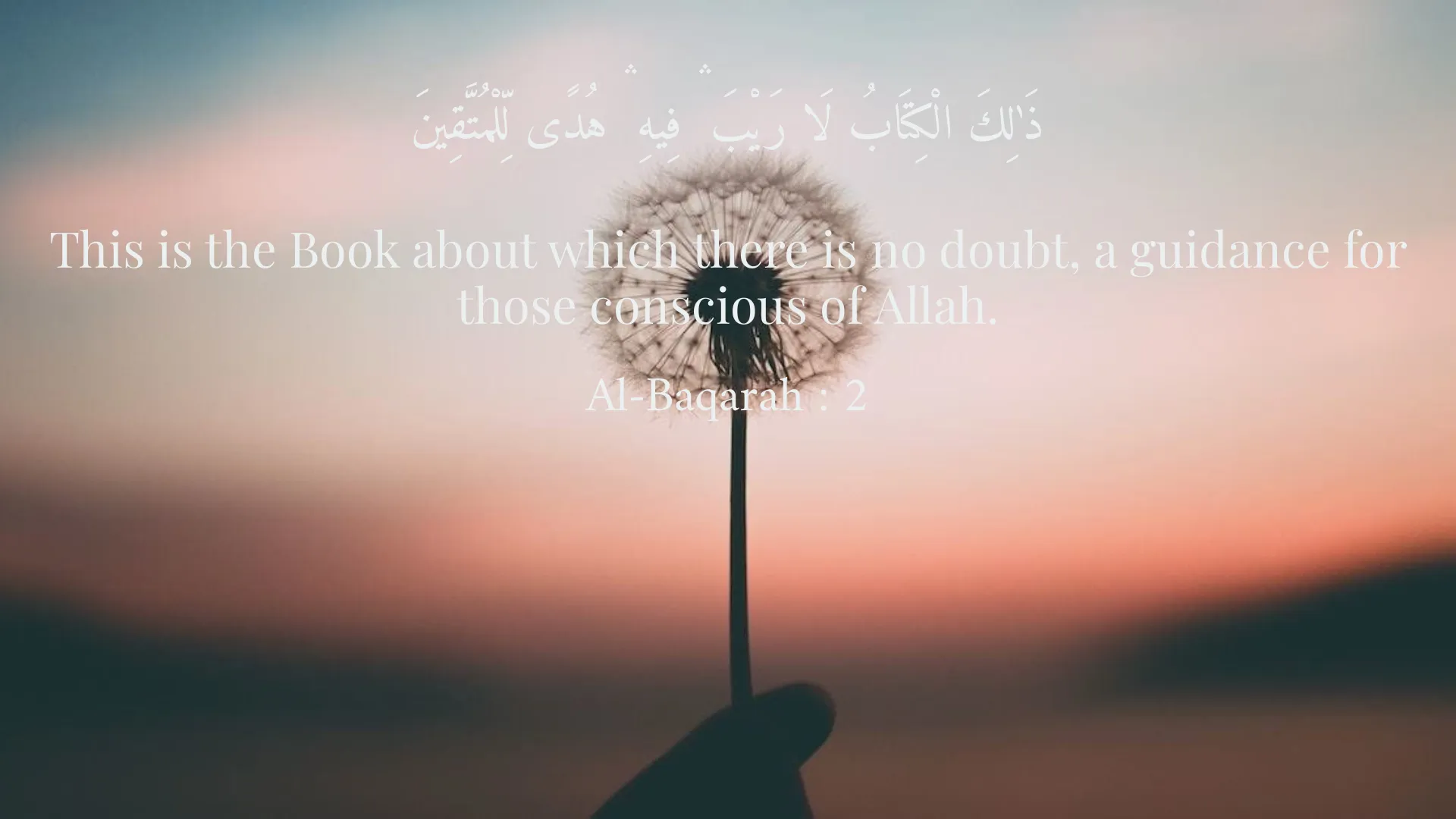
ذَٰلِكَ الْكِتَابُ لَا رَيْبَ ۛ فِيهِ ۛ هُدًى لِّلْمُتَّقِينَ
This is the Book about which there is no doubt, a guidance for those conscious of Allah.
Al-Baqarah : 2
لَا تَحْزَنُوا وَ لَا تَهْزَمُوا وَ أَنتُمُ الأَعْلَوْنَ إِن كُنتُم مُّؤْمِنِينَ
And do not lose hope, nor grieve, and you will certainly be superior if you are believers.
Al-Imran : 139
إِلَّا مَنْ تَابَ وَ آمَنَ وَ عَمِلَ عَمَلًا صَالِحًا
Except for those who repent, believe, and do righteous work.
Al-Furqan : 70
Short Story
On a beautiful spring day, Maryam decided to pay attention to her spiritual and mental health. She carefully listened to the verses of the Quran and realized that she needed to strengthen her connection with God. Maryam began reading the Quran and her daily prayers. Gradually, she felt a deeper sense of peace and her desire for sins diminished. Every night, she sought forgiveness from God and pursued doing good deeds. In this way, her heart became disinclined to sins and she sought the divine light.