Quranic Answer
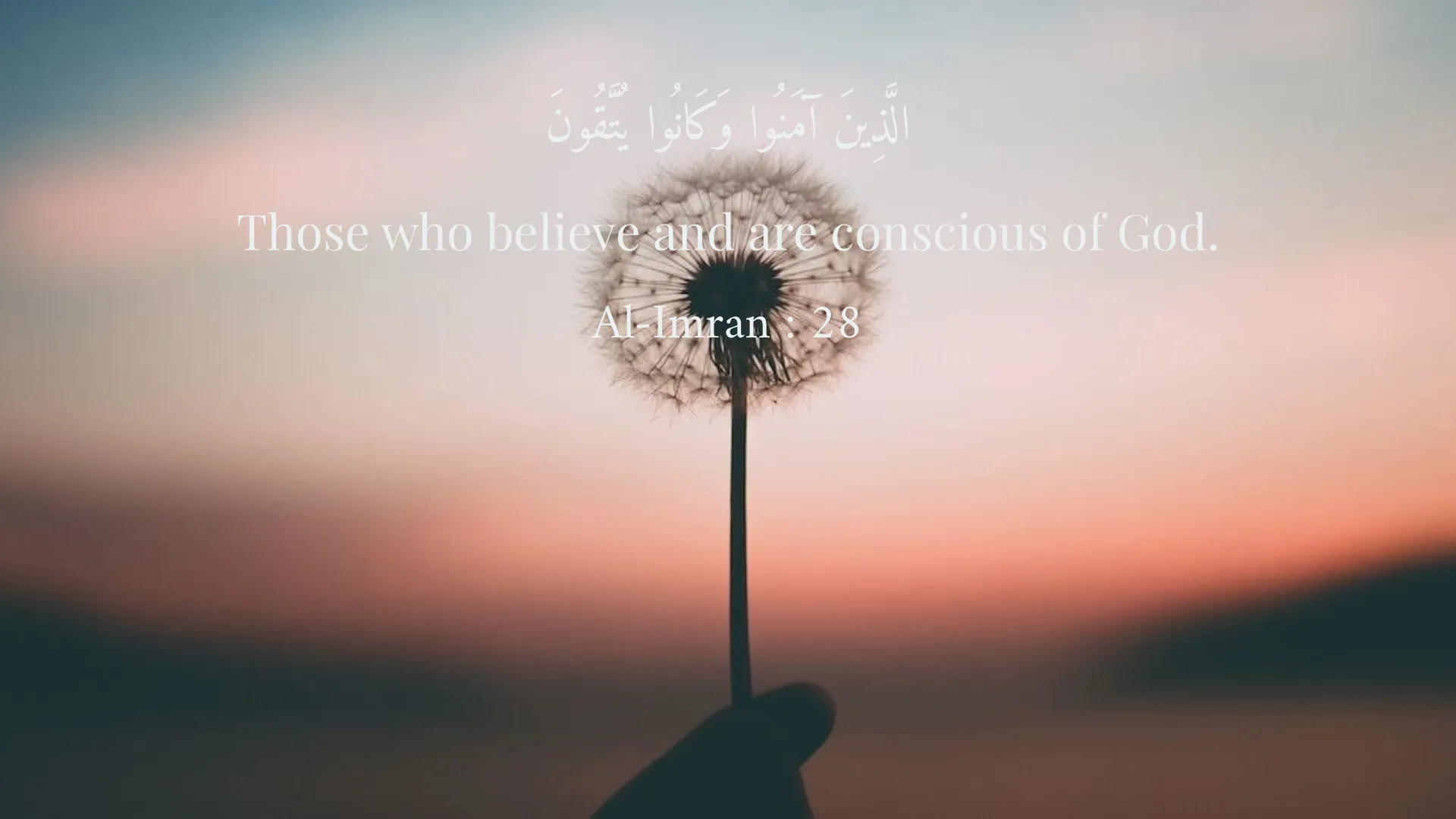
Benefiting from God's grace is a profound and multi-faceted concept that is elucidated in the Quran through various foundational principles that intertwine faith, devotion, and righteous actions. This divine grace, a recurring theme in Islamic theology, is often described in the Quran as both a gift and a responsibility for believers. At the heart of this discourse is the understanding that faith and reliance on God are vital components for receiving His mercy and blessings. ### The Role of Faith and Reliance on God Faith, or Iman, is not merely an abstract belief but a deep-seated conviction that manifests in actions and practices. In Surah Al-Imran, verse 28, Allah states: "Those who believe and are conscious of God." This exhortation underscores that faith is closely linked to awareness of God's presence and power in our lives. The term 'conscious of God' suggests a state of mindfulness that affects one’s thoughts and behaviors, emphasizing the importance of piety and the avoidance of sin. Thus, the Quran positions faith as a necessary condition for attracting God's grace. ### The Significance of Worship and Righteous Actions Worship in Islam is not limited to ritualistic practices but encompasses a broader spectrum of actions that reflect obedience to God’s commands. Acts of worship such as regular prayers (Salah), fasting (Sawm), and giving charity (Zakat) are repeatedly emphasized in the Quran as essential means to foster a closer relationship with God and to garner His blessings. For example, in Surah Al-Baqarah, verse 177, it is articulated: "Righteousness is not turning your faces toward the east or the west, but [true] righteousness is in one who believes in Allah and the Last Day." This passage teaches that genuine righteousness transcends mere physical expressions of faith; it necessitates a heartfelt belief in Allah and a commitment to performing righteous deeds. The Quran continuously invites believers to engage in good deeds, suggesting that these actions are vital for earning God’s grace. Righteous deeds serve not only as tangible manifestations of one’s faith but also as means of purifying one’s soul and enhancing one’s spiritual standing. This concept resonates throughout various Chapters in the Quran, illustrating that actions grounded in faith are instrumental in securing divine favor. ### The Interconnection Between Faith, Righteousness, and Divine Mercy In Surah Az-Zumar, verse 53, the narrative continues: "Say, O My servants who have believed, fear your Lord. For those who do good in this world is good." This verse reaffirms the necessity of combining faith with action. It suggests that fear of God, or Taqwa, is a cornerstone of true belief that inspires one to perform good. In Islamic teachings, Taqwa is often understood as a shield against sin and a guiding principle toward righteousness in all aspects of life. The Quran further emphasizes that fear of God, accompanied by good deeds, not only reaps rewards in the hereafter but also leads to the enjoyment of goodness in this world. This dual promise is significant; it establishes a comprehensive view of grace that encompasses both temporal and eternal spiritual benefits. Consequently, believers are encouraged to engage in acts of kindness, compassion, and benevolence, reflecting the divine attributes of mercy and grace in their interactions with others. ### The Pathway to Grace: Faith, Worship, and Good Deeds To fully comprehend how to benefit from God's grace, one must recognize the significance of a consistent practice of faith and its accompanying actions. Believers are urged to incorporate spiritual practices into their daily lives, allowing for a constant remembrance of God's presence. Regular prayer serves as a focal point for believers, providing them with a connection to God that is vital for attaining spiritual serenity. The act of fasting, particularly during Ramadan, also holds immense spiritual significance, as it encourages self-discipline, empathy towards the underprivileged, and an enhanced awareness of one's dependence on God’s sustenance. Additionally, acts of charity and community service are pivotal. Not only do these actions align with the principles of Islam, but they also echo the Islamic ethos of selflessness and generosity. By engaging in such deeds, believers not only fulfill a religious obligation but also attract divine grace by embodying the qualities that God Himself exemplifies. ### Living a Life of Purpose and Divine Awareness In conclusion, the quest to benefit from God's grace is an ongoing journey that demands commitment and sincerity. It requires believers to weave faith, worship, and good deeds into the fabric of their lives, creating pathways toward both spiritual fulfillment and comprehensive well-being. The Quran serves as both a guide and a reminder of the profound connection between one’s relationship with God and the grace that follows. By living a life of purpose centered on faith and active participation in righteous actions, believers can cultivate a deeper connection with God and open themselves to the abundance of His mercy and blessings that envelop both the worldly and the hereafter. In striving for God’s grace, one must remain steadfast in their devotion, mindful of His presence, and continuously seek to cultivate both internal faith and outward righteousness. Ultimately, it is through this holistic approach that one can truly experience the richness of God's grace in their lives.
Related Verses
الَّذِينَ آمَنُوا وَكَانُوا يُتَّقُونَ
Those who believe and are conscious of God.
Al-Imran : 28
لَيسَ الْبِرَّ أَنْ تُوَلُّوا وَجْهَكُمْ شَطْرَ الْمَشْرِقِ وَالْمَغْرِبِ، وَلَكِنَّ الْبِرَّ مَنْ آمَنَ بِاللَّهِ وَالْيَوْمِ الْآخِرِ
Righteousness is not turning your faces toward the east or the west, but [true] righteousness is in one who believes in Allah and the Last Day.
Al-Baqarah : 177
قُلْ يَاعِبَادِيَ الَّذِينَ آمَنُوا اتَّقُوا رَبَّكُمْ، لِلَّذِينَ أَحْسَنُوا فِي هَذِهِ الدُّنْيَا حَسَنَةٌ
Say, O My servants who have believed, fear your Lord. For those who do good in this world is good.
Az-Zumar : 53
Short Story
One day, Adel was sitting in a garden, admiring the beauty of the trees and flowers. He remembered the verses of the Quran and decided to focus more on his faith in God and doing good to others. Over time, he felt peace and love filling his heart, which in turn drew others closer to him.