Quranic Answer
Conveying the culture of the Quran to the family is a significant duty and responsibility that requires planning and dedication. The Quran is not just a holy book; it is a comprehensive guide that offers insights into our spiritual, moral, and social lives. In an age where distractions are abundant and the influence of technology is ever-present, creating a strong bond between the teachings of the Quran and the family unit is more crucial than ever. This article aims to explore the profound importance of imparting Quranic culture within the family and propose effective strategies for parents in nurturing this sacred tradition. ### The Importance of Quranic Teachings in Family Life At the core of Quranic culture is the emphasis on ethical and moral behavior. The Quran addresses every aspect of human life, providing a blueprint for how to interact with others and how to handle various life situations. By instilling the values outlined in the Quran from a young age, parents ensure that their children develop a strong moral compass. This not only benefits the children themselves but also the society at large. When children learn about the values of honesty, love, forgiveness, and respect for elders through Quranic stories and verses, they begin to understand their significance in everyday life. In many ways, the Quran serves as a conduit for cultivating virtues that help families thrive in harmony. The teachings they embrace promote cooperative living, empathy, and understanding—qualities that are essential for maintaining balanced relationships. Given the dynamic changes in societal norms and values, fostering an environment where Quranic principles are a core part of family interactions enables families to develop a stable identity grounded in these teachings. ### Proper and Principled Upbringing from a Young Age The formative years of a child's life are critical for shaping their understanding of the world around them. Consequently, it is vital to introduce Quranic teachings to children early on. Proper and principled upbringing from a young age can be achieved through various engaging methods. For instance, collective reading sessions of the Quran can be established in the household, making it a shared family activity rather than a solo endeavor. This not only emphasizes the collective pursuit of knowledge but also solidifies family bonds. During these sessions, parents can read aloud verses, interpret them, and engage the children in discussions about the themes presented in the text. Utilizing stories from the Quran that highlight moral and ethical lessons allows children to relate these ideas to their own experiences. It is also beneficial to ask open-ended questions that encourage critical thinking, allowing the children to express their insights and thoughts about what they have learned. ### The Role of Quranic Sessions in Strengthening Family Bonds Holding Quranic sessions at home can serve as an effective tool for imparting religious education while strengthening familial ties. These gatherings create a safe and respectful space where family members can delve into spiritual conversations. Such a practice encourages collaboration, as everyone feels they have a voice in the discussion. Parents should actively involve all family members, thus promoting a sense of unity and shared responsibility towards understanding and embodying Quranic values. Furthermore, these sessions provide an opportunity for parents to demonstrate how Quranic teachings translate into daily actions. Sharing personal anecdotes on how Quranic principles guide decisions and behaviors illustrates the practical application of these teachings. Children who see their parents practicing what they preach are more likely to internalize those lessons. Therefore, by actively embodying the Quran's teachings in behavior, parents serve as role models for their children. ### The Continuation of Cultural Transmission through Example In addition to verbal teaching, modeling behavior is one of the most effective ways to convey Quranic culture. Children are keen observers and often learn more from actions than words. By practicing the teachings of the Quran and adhering to Islamic ethics in daily interactions, parents lead by example. They exhibit traits such as kindness, patience, and understanding, which align with Quranic values. The Quran emphasizes the importance of character, and parents can demonstrate this in their interactions, reinforcing the idea that they are following divine guidance. By doing so, children will unconsciously learn from their parents and develop a lasting attachment to the culture of the Quran. This can be seen as creating a ripple effect; the more these values are practiced and observed, the more likely children will carry them into their adult lives, continuing the cycle of cultural inheritance. ### The Art of Listening and Creating a Safe Space for Dialogue The transmission of Quranic culture also necessitates open communication. It is essential for parents to facilitate an environment where children feel safe to express their thoughts, doubts, and questions about the Quran. The art of listening to children is crucial. When children see that their opinions and inquiries are valued, they are more likely to engage deeply with the teachings of the Quran. Encouraging children to discuss their personal interpretations and feelings about the Quran helps to cultivate a shared meaning in their familial context. Parents should create a non-judgmental space where every question is answered thoughtfully. This not only enhances understanding but also nurtures a lasting relationship with the Quran as they see it not merely as a religious text but as a guide relevant to their lives. ### Conclusion In conclusion, articulating the culture of the Quran within the family is not merely a duty; it is an essential task that requires commitment and strategy. The Quran serves as a tool that can profoundly influence the moral fiber of society when its teachings are integrated into family life. Through proper upbringing, active participation in Quranic sessions, modeling behavior, and facilitating open communication, parents can successfully impart these teachings to their children. Ultimately, instilling a love for the Quran in children creates a foundation for a spiritually enriched, ethical, and harmonious family life, laying the groundwork for future generations to embrace and build upon this profound cultural heritage.
Related Verses
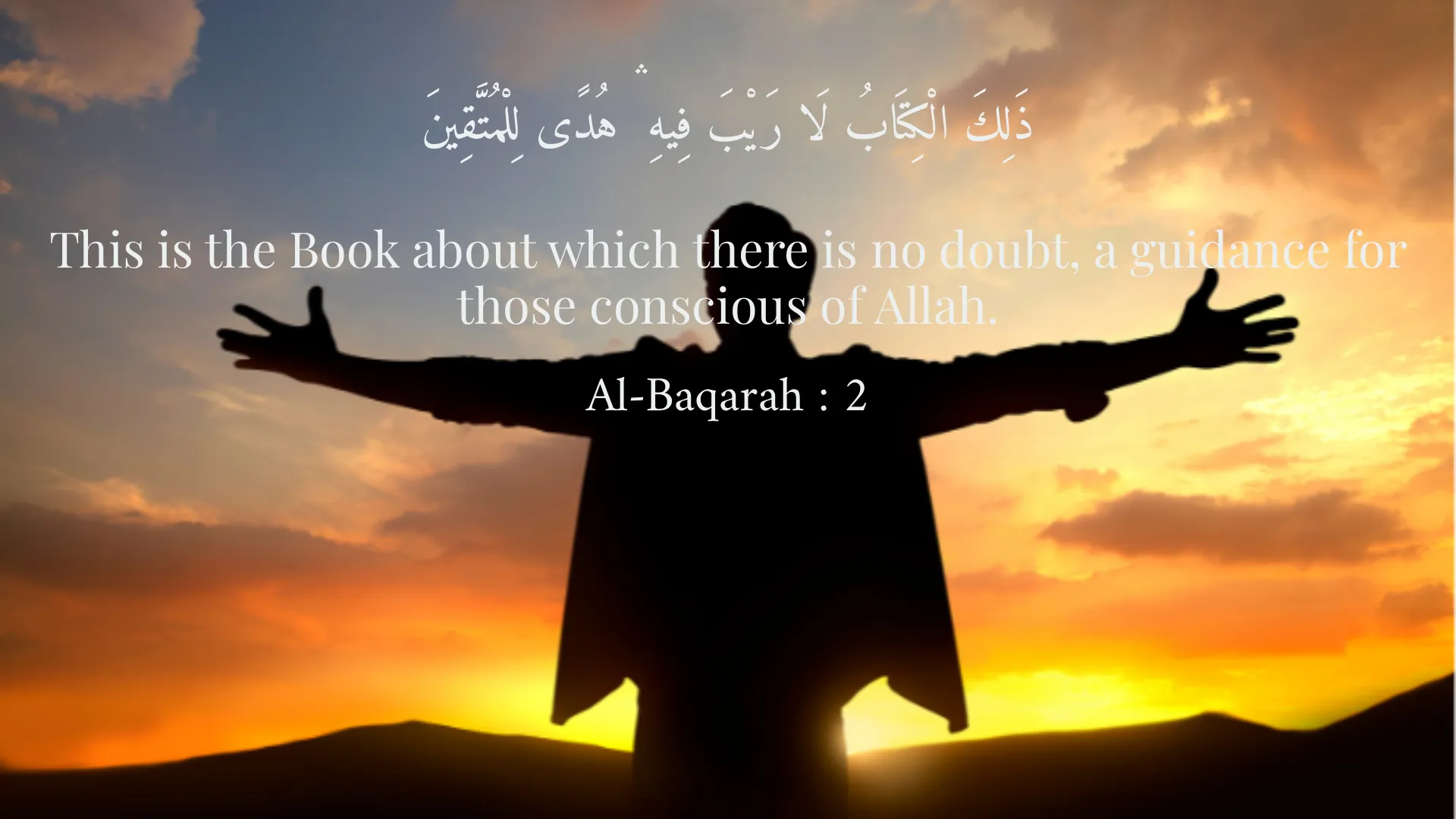
ذَلِكَ الْكِتَابُ لَا رَيْبَ فِيهِ ۛ هُدًى لِلْمُتَّقِينَ
This is the Book about which there is no doubt, a guidance for those conscious of Allah.
Al-Baqarah : 2
مَن قَتَلَ نَفْسًا بِغَيْرِ نَفْسٍ أَوْ فَسَادٍ فِي الْأَرْضِ فَكَأَنَّمَا قَتَلَ النَّاسَ جَمِيعًا ۚ وَمَن أَحْيَاهَا فَكَأَنَّمَا أَحْيَا النَّاسَ جَمِيعًا
Whoever kills a soul unless for a soul or for corruption [done] in the land - it is as if he had slain mankind entirely. And whoever saves one - it is as if he had saved mankind entirely.
Al-Ma'idah : 32
وَلَا تَقْتُلُوا أَوْلَادَكُمْ خَشْيَةَ إمْلاقٍ ۖ نَحْنُ نَرْزُقُهُمْ وَإِيَّاكُمْ ۚ إِنَّ قَتْلَهُمْ كَانَ خِطًّا كَبِيرًا
And do not kill your children for fear of poverty. We provide for them and for you. Indeed, killing them is a great sin.
Al-Isra : 31
Short Story
Once upon a time, a mother in a family decided to convey the culture of the Quran to her children. She began reading Quranic stories to them and reciting beautiful verses with a special melody. The children were captivated by these stories and started asking questions about them. The mother lovingly answered and taught them how to apply those teachings in their lives. Over time, the children began to change their behaviors based on the Quranic teachings.