Quranic Answer
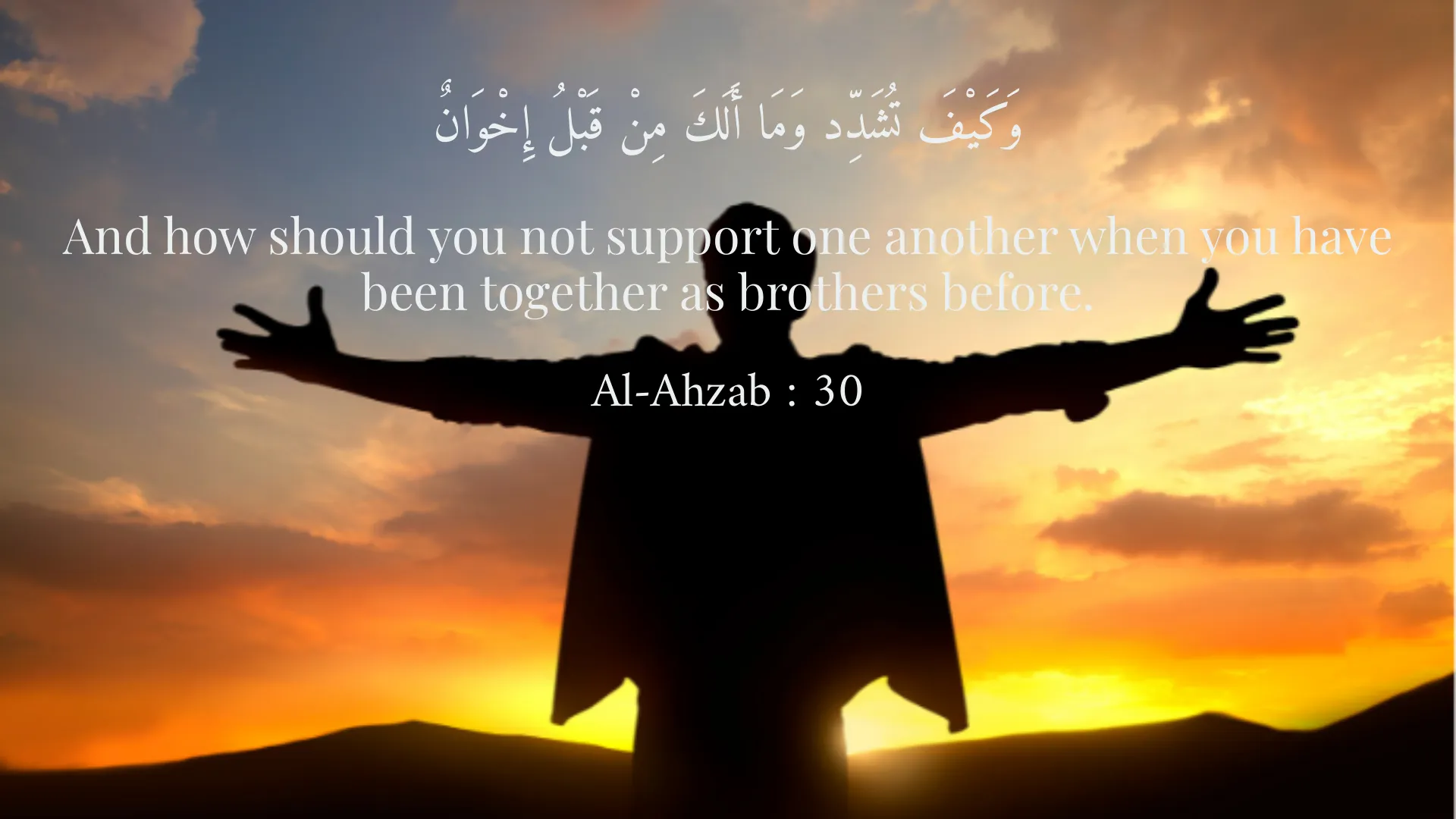
In the Holy Quran, the theme of broken hearts and ways to support them is emphasized, along with a call for mercy and kindness. The message is profound and serves as a guiding force in the lives of believers, underscoring the importance of community, empathy, and the need to uphold one another during difficult times. Understanding this theme requires a deep dive into the various Quranic verses that shed light on human emotions, social responsibilities, and the divine expectations placed upon individuals when faced with the suffering of others. One of the most poignant reminders in the Quran can be found in Surah Al-Ahzab, verse 30: "And how should you not support one another when you have been together as brothers before?" This verse highlights the fundamental principle of brotherhood and unity among believers. It challenges us to reflect on our past connections and emphasizes the intrinsic responsibility we have towards each other, especially during periods of grief and hardship. To support one another means to actively engage in their lives, offering assistance in both practical and emotional aspects. Furthermore, the Quran is replete with calls for mercy and acts of kindness. In society today, it is not uncommon to encounter individuals who carry the burdens of heartbreak—be it from the loss of a loved one, personal failures, or emotional traumas. The Quranic teachings encourage us to lend a helping hand or a listening ear to those who are in despair. The narrative of compassion is not just a passive sentiment; rather, it is a call to action that requires believers to be empathetic and to strive to alleviate the suffering of others. In Surah Al-Tawbah, verse 61, Allah reminds us that 'Indeed, the believers are brothers.' This sentiment further reinforces the necessity of community solidarity and the bonds of faith that unite us. Being part of a community is a divine blessing, and the Quran makes it evident that a significant aspect of this blessing revolves around the love and support that believers extend to one another. Striving to alleviate the grief of others is not just an ethical choice; it serves as a testament to our faith and commitment to the values espoused in Islam. Creating strong connections and fostering kindness and compassion is vital. Practical expressions of support can take many forms—through words of encouragement, emotional support, and tangible actions that demonstrate love and empathy. Making the effort to reach out to those in pain and reassuring them that they are not alone serves to strengthen the bonds within the community. We must also understand that healing is a process and varies from person to person. Thus, patience is crucial in our interactions with the broken-hearted. Another relevant verse is found in Surah Al-Imran, verse 139, which states, "Do not be sad." This simple yet profound reminder encapsulates the essence of hope and resilience. It serves to contextualize the trials that individuals face, reminding us that sadness is a part of the human experience, but it should not consume our lives. The Quran continuously encourages the belief that there is light beyond the darkness; this notion can foster a sense of hope in those who are struggling. Helping the broken-hearted necessitates a combination of love, patience, and remembrance of Allah. Moreover, creating an atmosphere rich in kindness and understanding plays a vital role in the healing of broken hearts. The environment in which people find themselves can either contribute to their despair or uplift their spirits. A nurturing community can provide solace, demonstrating the transformative power of collective compassion. It is essential to cultivate spaces where individuals feel safe to share their pains, knowing that they will be met with empathy and support. Additionally, it is important to acknowledge that acts of kindness can have a ripple effect, extending beyond immediate interactions. When we choose to help others, we inspire those around us to act likewise, creating a cycle of generosity and support within our communities. This is reflected in the teachings of the Prophet Muhammad (peace be upon him), who emphasized the importance of mercy, kindness, and support in nurturing a cohesive and loving society. Indeed, the Quran, through its teachings, encourages believers to tune into the emotional landscapes of their peers, fostering a culture of kindness that is essential in these tumultuous times. The acts that promote healing and uplift those who are struggling are integral aspects of Islamic faith, enabling believers to demonstrate their adherence to these core principles of mercy and compassion. In conclusion, the theme of broken hearts and the support extended to them in the Holy Quran is a powerful message encouraging believers to create a compassionate and merciful community. Through verses such as those found in Surah Al-Ahzab, Surah Al-Tawbah, and Surah Al-Imran, we are reminded of the importance of brotherhood, the need to support one another, and the essence of maintaining hope in challenging circumstances. Helping the broken-hearted is not solely a personal endeavor but a collective responsibility that binds us as a community. By nurturing love, patience, and remembrance of Allah within our interactions, we can contribute meaningfully to the healing of those in distress, ultimately uplifting them from despair and guiding them to a state of peace and contentment.
Related Verses
وَكَيْفَ تُشَدِّد وَمَا أَلَكَ مِنْ قَبْلُ إِخْوَانٌ
And how should you not support one another when you have been together as brothers before.
Al-Ahzab : 30
إِنَّمَا الْمُؤْمِنُونَ إِخْوَةٌ
Indeed, the believers are brothers.
At-Tawbah : 61
ولا تحزنوا
Do not be sad.
Al-Imran : 139
Short Story
Once upon a time, in a village, there was an old man whose heart was broken due to his problems. The youths of the village visited his house, talked to him, shared stories, and brought him honey and bread. This love and empathy soothed the old man's heart, allowing him to continue with a joyful life.