Quranic Answer
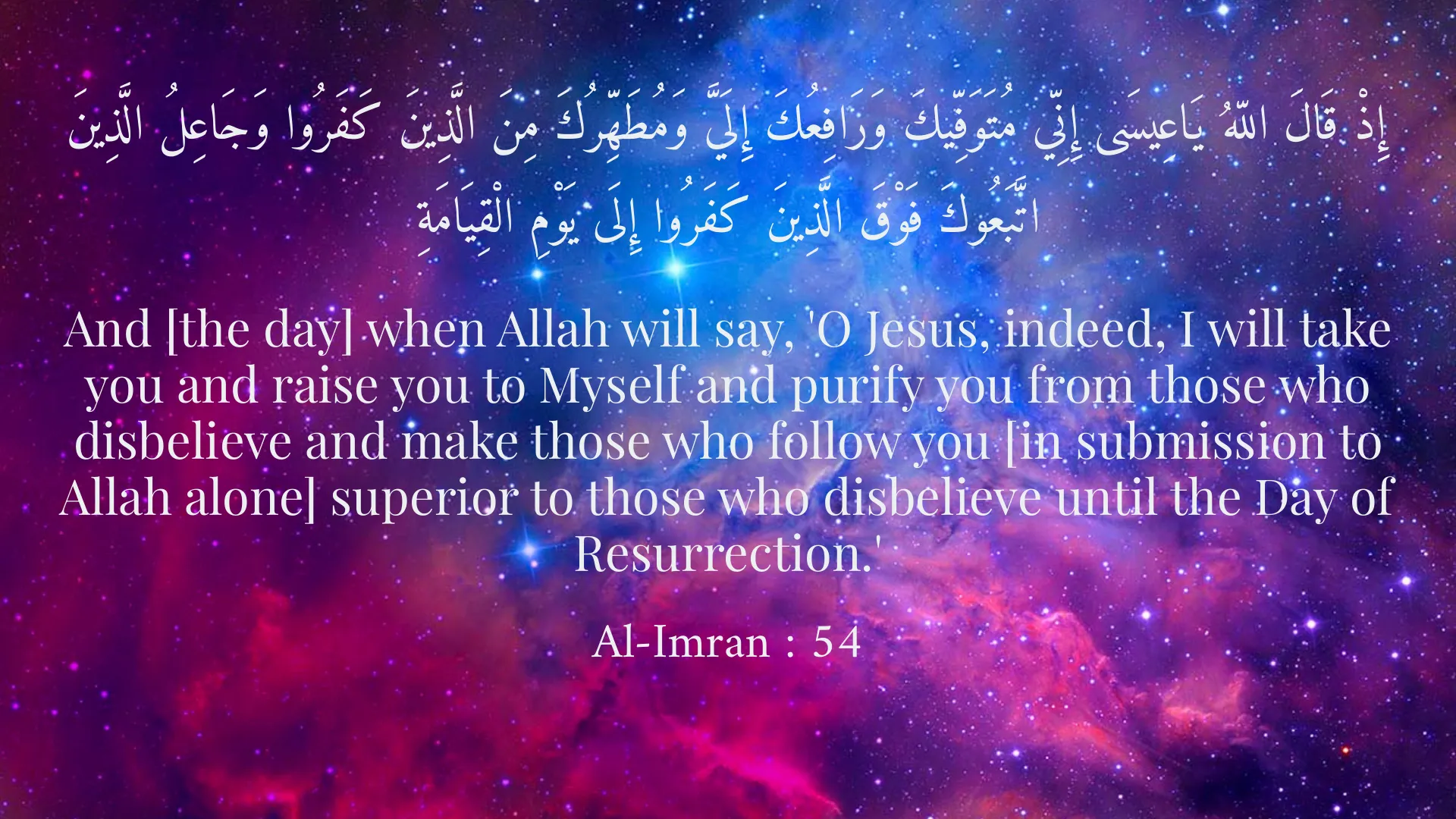
To increase love for God's creation in our hearts, it is essential to delve into the rich and profound teachings of the Holy Quran. The Quran serves as a guiding light for humanity, offering wisdom and insight into the nature of God’s love and mercy. By understanding these teachings, we can nurture a profound appreciation for all living beings and foster a more compassionate society. The foundation of understanding God’s love resides in acknowledging His mercy. Allah’s attributes as described in the Quran resonate deeply, emphasizing His compassion towards His creation. One such instance can be found in Surah Al-Imran, verse 54, where it states, 'And [the day] when Allah will say, 'O Jesus, indeed, I will take you and raise you to Myself and purify you from those who disbelieve and make those who follow you [in submission to Allah alone] superior to those who disbelieve until the Day of Resurrection.' This verse profoundly demonstrates Allah’s care and love for His servants, highlighting that even amidst adversity, God reassures us of His boundless mercy and protection. Understanding this divine love can significantly influence our hearts, enabling us to cultivate similar feelings of love and empathy for others. When we internalize the notion that God wants us to cherish and uphold the dignity of each soul, we can extend this sentiment to everyone we interact with. This cultivation of love for God's creation is not only a personal journey but a collective responsibility that we, as members of society, must embrace. It creates ripples of kindness and compassion that can significantly affect our communities and beyond. Moreover, the Quran stresses the sanctity of life and the importance of valuing others. In Surah Al-Ma'idah, verse 32, it is mentioned: 'Whoever kills a soul unless for a soul or for corruption [done] in the land - it is as if he had slain mankind entirely.' This powerful verse underlines the significance of each individual life and conveys a profound message of respect and community. The implications of this teaching are profound; it urges us to reflect on how we treat others and fosters an attitude of mercy and compassion. In our daily interactions, we have the power to make a choice—a choice to be kind, respectful, and understanding. Acts of kindness towards others, irrespective of their background, can help us enhance the love within our hearts. Whether through simple gestures or grand acts of charity, demonstrating compassion becomes vital in creating a more loving environment. Recognizing the shared humanity and interconnectedness of all people allows us to appreciate the diversity of God's creation and deepens our love for it. To foster this love further, we should regularly engage in prayer and supplication towards Allah. The Quran teaches us that communication with God serves as a connection point for our spiritual growth and understanding of His love. In the Quran, Allah says, 'And your Lord says, 'Call upon Me; I will respond to you.' This beautiful verse reassures us that our prayers are not in vain; they have the power to transform our hearts and minds. The act of prayer is not merely a ritual but a sincere effort to reach out to the divine for guidance and support. When we actively pray for the ability to love others and understand their circumstances, we open our hearts to empathy and compassion. Each prayer creates a bridge of understanding between ourselves and others, allowing us to see the world through different perspectives and experiences. Furthermore, we can seek knowledge and understanding of the lives, cultures, and beliefs of those around us. Engaging with our communities and learning about the struggles and experiences of others can deepen our compassion. Delving into prophetic teachings and the lives of previous prophets as illustrated in the Quran can provide valuable insights into compassion and love. These stories exemplify the importance of patience, benevolence, and the willingness to uplift others. Throughout history, prophets such as Jesus, Muhammad, and Moses have embodied love and mercy in their actions and teachings. Their examples encourage us to follow in their footsteps and advocate for peace, kindness, and brotherhood among all of mankind. By practicing these virtues, we further cultivate love within us that transcends personal experience and extends to all of creation. Additionally, participating in community service, volunteering for charitable organizations, and supporting social justice initiatives can foster this divine love in action. The act of giving and selflessness not only builds empathy but also enhances one's spiritual well-being. Engaging in service cultivates love for creation everywhere, reinforces the bonds of solidarity amongst humanity, and brings us closer to fulfilling our divine purpose. In conclusion, the teachings of the Holy Quran provide profound insights into the nature of love and mercy that we must strive to emulate in our lives. By understanding God’s love and nurturing it within our hearts, valuing the sanctity of life, engaging in prayer, and actively serving others, we can foster an environment rich in love and compassion. In doing so, we develop a deeper appreciation for all of God’s creation, contributing to a more harmonious world. The journey to enrich our hearts with love for God's creation is ongoing, requiring commitment and humility as we learn and grow. By embracing these teachings and practicing love and mercy in our everyday lives, we can create a ripple effect that inspires others to do the same, leading to a more loving society.
Related Verses
إِذْ قَالَ اللّهُ يَاعِيسَى إِنِّي مُتَوَفِّيكَ وَرَافِعُكَ إِلَيَّ وَمُطَهِّرُكَ مِنَ الَّذِينَ كَفَرُوا وَجَاعِلُ الَّذِينَ اتَّبَعُوكَ فَوْقَ الَّذِينَ كَفَرُوا إِلَى يَوْمِ الْقِيَامَةِ
And [the day] when Allah will say, 'O Jesus, indeed, I will take you and raise you to Myself and purify you from those who disbelieve and make those who follow you [in submission to Allah alone] superior to those who disbelieve until the Day of Resurrection.'
Al-Imran : 54
مَنْ قَتَلَ نَفْسًا بِغَيْرِ نَفْسٍ أَوْ فَسَادٍ فِي الْأَرْضِ فَكَأَنَّمَا قَتَلَ النَّاسَ جَمِيعًا
Whoever kills a soul unless for a soul or for corruption [done] in the land - it is as if he had slain mankind entirely.
Al-Ma'idah : 32
Short Story
One day, a man named Hassan was walking down the street. He felt uplifted by the smiling faces of the people passing by him. Remembering the verses of the Quran, Hassan decided to show more love in his interactions with others. From that day forward, he made an effort to be compassionate and kind, and through small acts of love, he found greater love in his own heart.