Quranic Answer
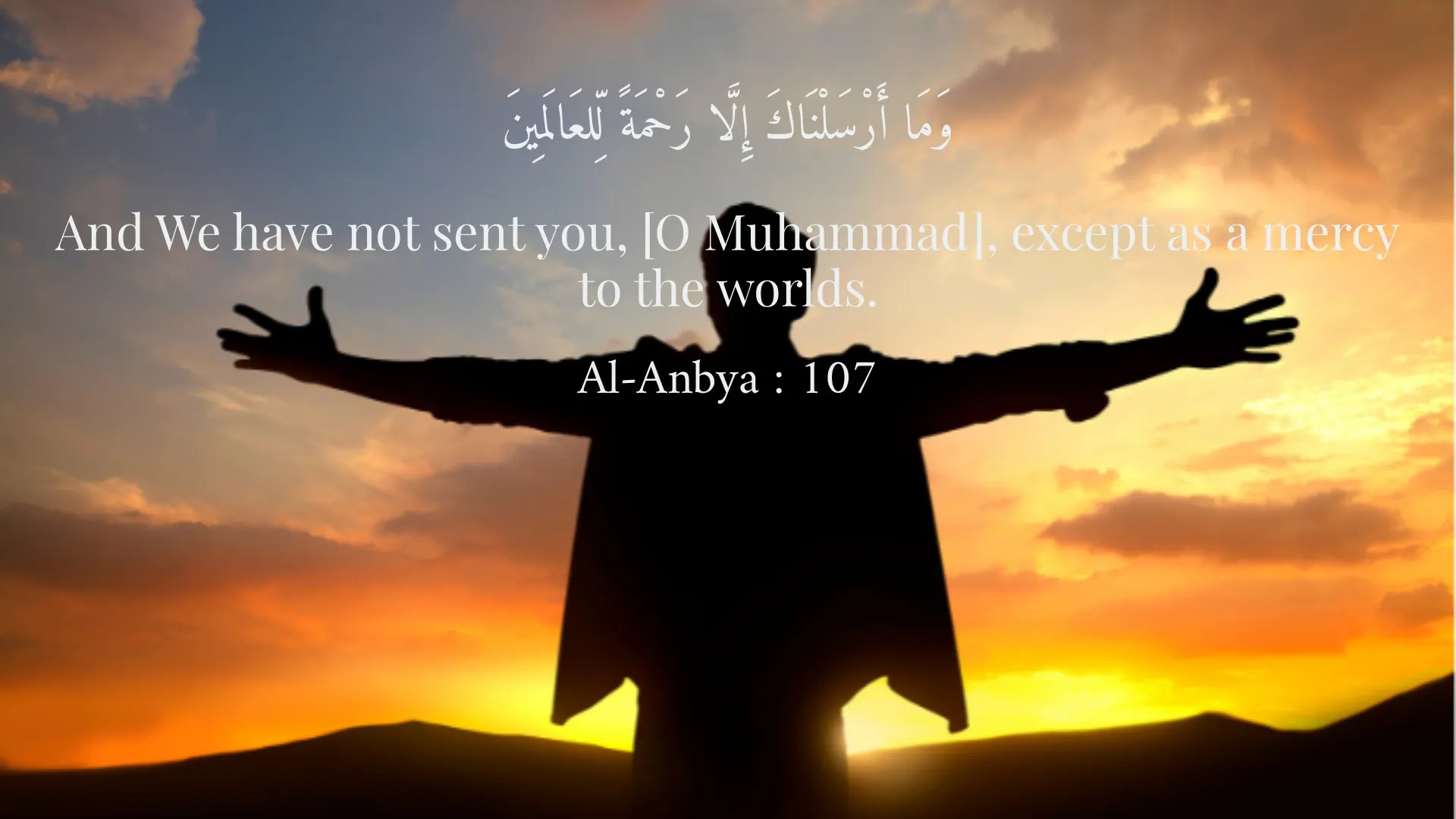
Strengthening divine attributes within ourselves requires continuous effort and dedication. The journey toward embodying divine attributes is not a casual endeavor; it is a conscious pursuit that necessitates commitment and perseverance. These attributes are not only essential for personal growth but also for creating a more compassionate and harmonious society. The Holy Quran, as the foundational text of Islam, emphasizes the importance of virtuous and divine attributes in various verses, urging believers to embody these qualities in their daily lives. By examining these divine traits and their significance, we can better understand the transformative power they hold for both individuals and communities. One significant attribute that the Quran emphasizes is mercy. In Surah Al-Anbya, verse 107, it reads, 'And We have not sent you, [O Muhammad], except as a mercy to the worlds.' This verse indicates that the Messenger of God is not only a prophet but fundamentally embodies the essence of mercy for all of creation. The concept of mercy is broad and profound; it encompasses compassion, forgiveness, and love for others. As followers of this divine message, we should strive to cultivate compassion and kindness within us. By doing so, we align ourselves with the very teachings that the Prophet Muhammad embodied. Mercy is not merely an emotion but an active commitment to promote understanding, acceptance, and relief in the lives of others. In our modern context, embodying mercy could involve advocating for the marginalized, providing help to those in need, and fostering an environment where everyone feels valued. This attribute also allows us to develop empathy towards others, as we recognize their struggles and offer support rather than judgment. Furthermore, patience is another divine attribute that is essential for spiritual growth. Surah Al-Baqarah, verse 153 states, 'O you who have believed, seek help through patience and prayer.' Patience, or sabr, is crucial, especially in times of difficulty. Life presents numerous challenges and obstacles that can test our resolve. However, by enduring hardships and engaging in prayer, we can attain attributes such as patience. In this way, patience acts as a catalyst for spiritual development, as it forces us to pause, reflect, and seek divine assistance in navigating our trials. The cultivation of patience contributes to a deeper understanding of ourselves and our relationship with God. It allows us to view adversity not as a mere challenge, but as an opportunity for growth. In essence, patience fosters resilience, enabling individuals to respond to life's uncertainties with a steady heart and unwavering faith. Another vital attribute mentioned in the Quran is forgiveness. In Surah Al-Imran, verse 134, it mentions, 'Who spend in the cause of Allah during ease and hardship and who restrain anger and who pardon the people.' This verse encourages forgiveness and benevolence. Forgiveness is a powerful act that liberates both the forgiver and the forgiven. It fosters emotional healing and helps to mend relationships that may have suffered due to misunderstandings or offenses. By exercising forgiveness, we not only reflect divine mercy but also promote social harmony. Holding onto grudges can be detrimental to our spiritual well-being, leading to resentment, anger, and division. On the contrary, choosing to forgive allows us to transcend personal grievances, focusing instead on healing and reconciliation. This act of letting go is essential for spiritual elevation, as it aligns our actions with the teachings of the Quran and the life of the Prophet Muhammad. Overall, by recognizing and striving to cultivate these divine attributes in our daily lives, we can elevate ourselves to higher levels of spirituality. Attributes like kindness, honesty, and humility form the cornerstone of both Islamic teachings and human ethics. They are not just ideals to strive for; they are practical virtues that can transform human interactions, create bonds of trust, and nurture a supportive community. Kindness, for instance, is an essential facet of human interaction. It involves reaching out to others with genuine concern and care. In a world often marked by competition and self-interest, acts of kindness serve as beacons of hope, reminding us of our shared humanity. Similarly, honesty paves the way for trust and transparency in relationships, both with ourselves and others. It affirms our integrity and commitment to truth, which is central to spiritual development. Humility is another virtue that is deeply embedded in Islamic teachings. Recognizing our limitations and the greatness of the Creator fosters a sense of gratitude and awe. When we approach life with humility, we become more open to learning, growing, and accepting constructive feedback. This attitude is essential as we strive to embody divine attributes, as it acknowledges that we are all in a continuous process of growth and self-improvement. In conclusion, strengthening divine attributes within ourselves is a lifelong pursuit that requires intentionality, effort, and dedication. The Holy Quran serves as a guiding light, reminding us of the significance of mercy, patience, forgiveness, kindness, honesty, and humility. By embracing these virtues, not only do we deepen our spiritual connection with the divine, but we also contribute positively to the wellbeing of our communities. The journey toward embodying divine attributes is transformative, allowing us to become become better individuals whose actions promote peace, compassion, and understanding in the world around us.
Related Verses
وَمَا أَرْسَلْنَاكَ إِلَّا رَحْمَةً لِّلعَالَمِينَ
And We have not sent you, [O Muhammad], except as a mercy to the worlds.
Al-Anbya : 107
يَاأَيُّهَا الَّذِينَ آمَنُوا اسْتَعِينُوا بِالصَّبْرِ وَالصَّلَاةِ ۚ إِنَّ اللَّهَ مَعَ الصَّابِرِينَ
O you who have believed, seek help through patience and prayer. Indeed, Allah is with the patient.
Al-Baqarah : 153
الَّذِينَ يُنفِقُونَ فِي السَّرَّاء وَالضَّرَّاء وَالَّذِينَ كَاظِمِينَ الْغَيْظَ وَالَّذِينَ هُمْ بِالْعَافِينَ عَنِ النَّاسِ
Who spend in the cause of Allah during ease and hardship and who restrain anger and who pardon the people.
Al-Imran : 134
Short Story
One day, a wise man stood at the entrance of a village. He told the people, 'To strengthen divine attributes, one must be merciful, patient, and sow love in their hearts.' The people asked, 'But how?' He replied, 'Start with your neighbor, help him, support him in hardships, and never harbor anger in your heart.' Thus, that man created divine attributes in the hearts of the people and became an example of love and kindness.