Quranic Answer
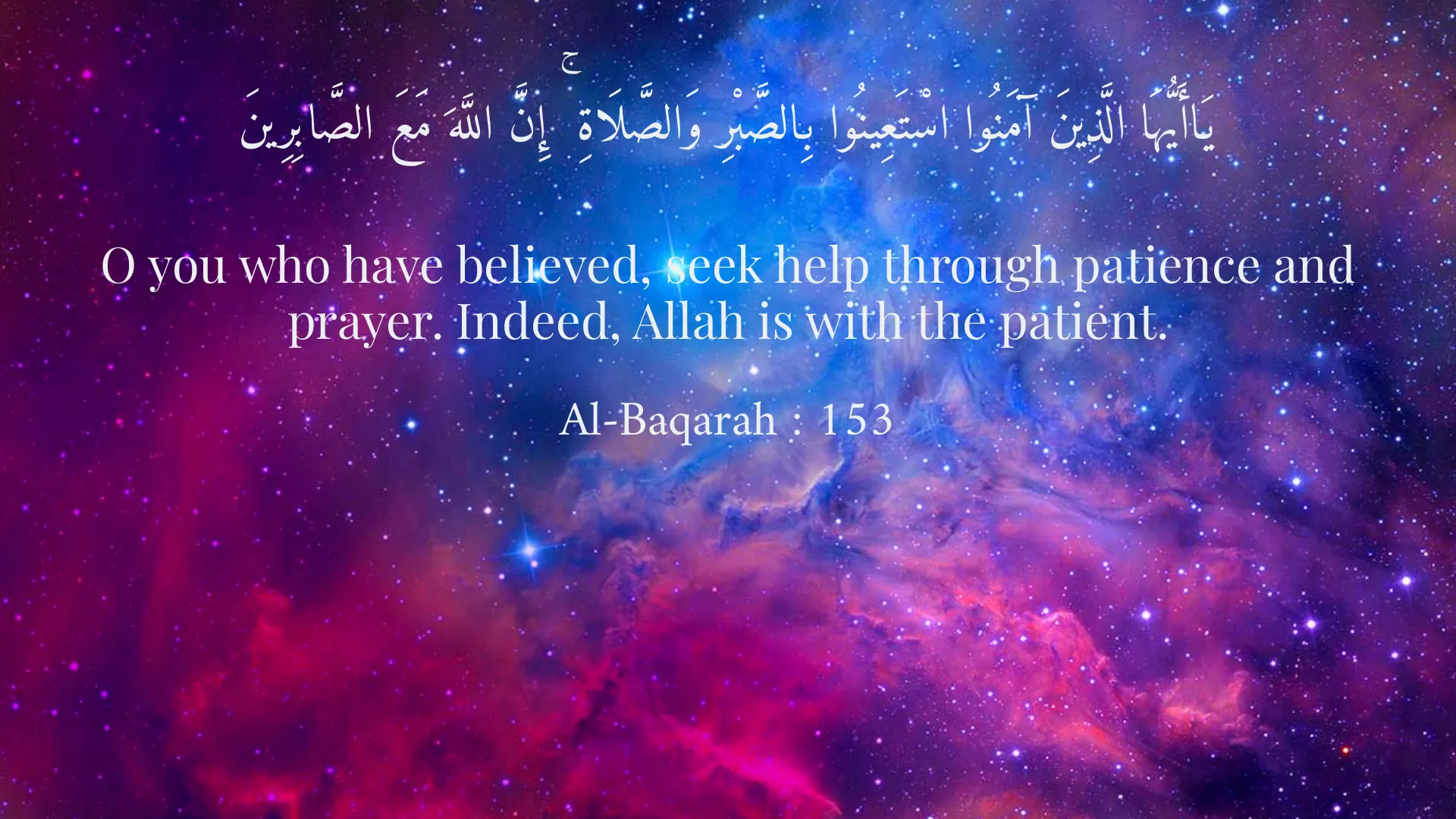
In the Holy Quran, emphasis on patience is highlighted as one of the prominent traits of believers. Allah says in Surah Al-Baqarah, verse 153, 'O you who have believed, seek help through patience and prayer. Indeed, Allah is with the patient.' This verse indicates that patience is among the attributes that, alongside prayer, assists individuals in their spiritual and everyday lives. Patience, as emphasized in the Quran, is not merely a passive act; it is a proactive engagement with life's challenges and trials. In this article, we will explore the significance of patience in the Quran, its importance in parenting, and practical ways to cultivate this virtue in children. Patience in the Islamic context goes beyond just enduring hardships; it represents a deep confidence in Allah’s wisdom and plans. When believers exercise patience, they convey their acceptance of divine decree and an understanding that trials are part of life’s journey. Surah Al-Imran, verse 200, reinforces this notion with the words, 'So be patient and stand firm and be steadfast in your support of one another.' Here, we see a call not only for personal patience but also for communal support, reinforcing the idea that patience can be cultivated in community. In essence, patience encompasses the ability to remain calm and composed during trying times. This becomes especially important in the upbringing of children, who are naturally more reactive and emotional due to their developmental stage. To train children in patience, it is pivotal to create an environment that fosters this quality. Parents and caregivers play a significant role in modeling patient behaviors. To do this effectively, parents must first cultivate patience within themselves. This can be challenging, especially in our fast-paced world, where instant gratification is often the norm. However, parents must remember that they are the primary examples for their children. One effective way to teach patience is through everyday situations. For instance, teaching a child to maintain calm while waiting for their turn during play or a family activity can be an excellent practical exercise. Instead of expressing frustration, the child can be encouraged to engage in alternative activities or thoughts that make the waiting period enjoyable. Parents can use these moments to explain the importance of patience as a form of growth and learning. The Quran provides numerous stories filled with lessons about patience. By using these narratives, parents can illustrate the importance of this virtue to their children in a relatable manner. Stories of Prophet Ayoub (Job), for instance, exemplify immense patience during his trials and tribulations. Sharing such tales not only conveys moral lessons but also encourages children to see patience as a valued trait rather than an act of submission. Open dialogue is another vital aspect of nurturing patience in children. By creating a free space for children to express their feelings openly, parents can help children recognize and manage their emotions. When children articulate their frustrations or anxieties, parents can guide them on how to constructively channel those feelings into a more patient response. This practice not only develops emotional intelligence but also strengthens the parent-child bond. Furthermore, integrating Islamic teachings into daily activities can instill patience in children. For example, conducting family prayers together allows children to experience the significance and tranquility found in waiting and focusing on Allah. Such spiritual practices reinforce the concept of patience and provide children with an understanding of it within a faith-based context. Rewards and positive reinforcement can also play a critical role in cultivating patience. Recognizing and praising a child when they demonstrate patience can motivate them to continue practicing this virtue. This reinforcement helps children connect positive feelings with patient behaviors, enhancing their willingness to exhibit this trait in the future. Additionally, parents can incorporate games or activities that require patience. Simple crafts, puzzles, or even gardening can teach children to wait for an outcome. The concept of delayed gratification can be instilled through such activities, teaching children that sometimes the best results come from investing time and effort upfront. In conclusion, patience is a powerful and multifaceted trait emphasized throughout the Quran. It is a critical element of a believer’s character and a necessary quality for personal growth and development. By creating an environment conducive to learning patience, providing valuable examples, sharing Quranic stories, and encouraging open dialogue about feelings, parents can effectively instill this virtue in their children. Ultimately, patience is not just about waiting; it is about cultivating resilience, understanding, and strong belief in Allah’s wisdom. As parents focus on nurturing this quality in their children, they will undoubtedly prepare them to navigate the challenges of life with grace and composure. This not only strengthens the individual but also fortifies communities, building a foundation of patience that reflects the teachings of the Quran.
Related Verses
يَاأَيُّهَا الَّذِينَ آمَنُوا اسْتَعِينُوا بِالصَّبْرِ وَالصَّلَاةِ ۚ إِنَّ اللَّهَ مَعَ الصَّابِرِينَ
O you who have believed, seek help through patience and prayer. Indeed, Allah is with the patient.
Al-Baqarah : 153
يَا أَيُّهَا الَّذِينَ آمَنُوا اصْبِرُوا وَصَابِرُوا وَرَابِطُوا وَاتَّقُوا اللَّهَ لَعَلَّكُمْ تُفْلِحُونَ
O you who have believed, be patient and endure and remain stationed and fear Allah that you may be successful.
Al-Imran : 200
Short Story
One day, a father and his son were sitting in the garden when they noticed a tree being uprooted. The father said, 'Look, my son, this tree needs patience to grow and bear delicious fruits. We must also, like this tree, wait patiently to achieve the best results.' This dialogue helped his son learn an important lesson about patience from his father.