Quranic Answer
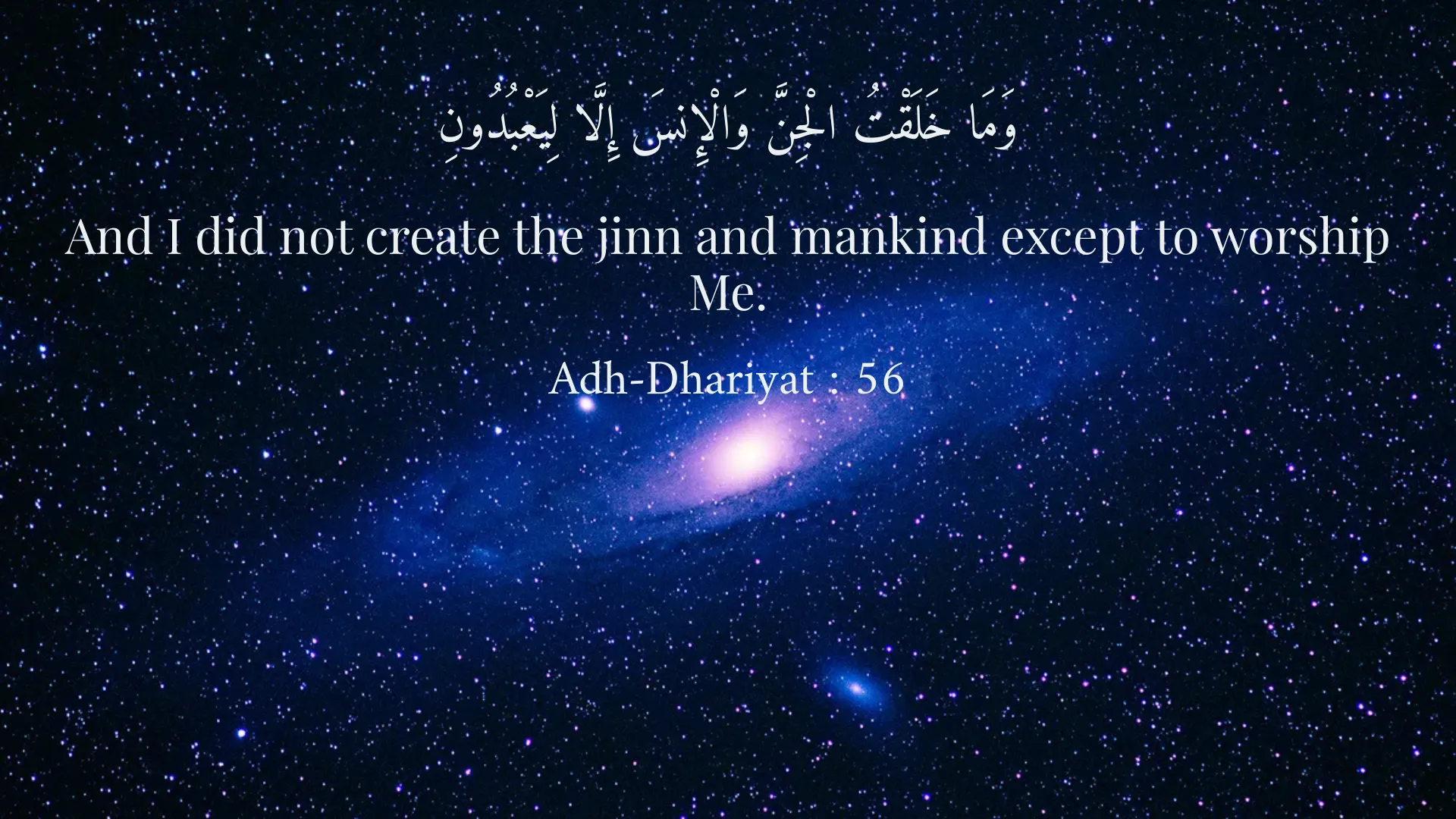
Understanding how to live for God is a profound and central question in Islamic faith, and its answer lies in the spirit and essence of the Holy Quran's teachings. Living for God is not limited to performing ritual acts of worship but encompasses every aspect of a human being's existence, from inner intentions to outward actions. The Quran clearly states that the primary purpose of creating humankind and jinn is to worship God, as mentioned in Surah Adh-Dhariyat, verse 56: "And I did not create the jinn and mankind except to worship Me." This verse lays the foundation for living a life dedicated to God. Worship here means more than just prayer and fasting; it includes obedience, gratitude, patience, reliance (Tawakkul), benevolence (Ihsan), justice, and every righteous deed performed with pure intention to earn divine pleasure. The first and perhaps most significant sign that a person is living for God is "sincerity" (Ikhlas) in intention. Sincerity means performing every action solely for the pleasure of Allah, without any worldly partners in intention, whether it be for fame, wealth, or the praise of people. In Surah Al-Bayyinah, verse 5, Allah says: "And they were not commanded except to worship Allah, [being] sincere in religion, inclining to truth, and to establish prayer and to give zakah. And that is the correct religion." This verse emphasizes the importance of sincerity in all aspects of religiosity and indicates that even prayer and zakat, which are fundamental pillars of worship, do not achieve their full value without sincerity. Therefore, whenever a person's intention in their speech, actions, and even thoughts is directed towards gaining God's pleasure, they are on the path of living for God. The second sign is "complete adherence to divine commands," as revealed in the Quran and elaborated through the Sunnah of Prophet Muhammad (peace be upon him). A person who lives for God strives to observe divine limits in all aspects of their life, from the smallest daily decisions to the most significant life choices, and refrains from what God has prohibited. This adherence includes establishing prayer, paying zakat, fasting, performing Hajj, and other individual acts of worship. But it extends beyond that, manifesting in respecting people's rights, acting justly, being truthful, maintaining trustworthiness, and avoiding major and minor sins. In Surah Al-Imran, verse 31, it states: "Say, [O Muhammad], 'If you should love Allah, then follow me, and Allah will love you and forgive you your sins. And Allah is Forgiving and Merciful.'" This verse indicates that love for God, which is among the highest forms of living for God, is realized by following the Prophet and, consequently, divine commands. A person whose life is for God seeks to embody "Allah is the Greatest" not only in the call to prayer but in all their priorities and life decisions. The third sign is "complete reliance and trust in God" (Tawakkul) in all stages of life. One who lives for God knows that all power rests with Him and that no leaf falls without His permission. They exert their utmost effort but entrust the outcome to God, remaining patient and grateful in the face of difficulties and challenges. This reliance does not mean weakness or inaction; rather, it signifies inner peace and confidence in divine providence after expending effort. In Surah At-Talaq, verse 3, it says: "And whoever relies upon Allah – then He is sufficient for him. Indeed, Allah will accomplish His purpose. Allah has already set for everything a [decreed] extent." This reliance allows a person to be free from needless fear and anxiety and to continue their path with a secure heart, knowing that if they live for God, God will suffice their affairs. This inner tranquility and certainty of heart are themselves another sign of a life connected to God. The fourth sign is "benevolence and goodness to God's creation" (Ihsan). One who lives for God cares not only for themselves and God but also for God's creatures. They understand that serving God's servants is serving God, and doing good to others is a way to earn divine pleasure. This includes helping the needy, visiting the sick, respecting parents, maintaining kinship ties, respecting neighbors' rights, and generally, any action that alleviates others' burdens or facilitates their affairs. The Quran repeatedly emphasizes benevolence and goodness, for instance, in Surah An-Nahl, verse 90, which states: "Indeed, Allah enjoins justice and good conduct and giving to relatives and forbids immorality and bad conduct and oppression. He admonishes you that perhaps you will be reminded." This verse indicates that living for God also involves strong social dimensions, and a true Muslim cannot be indifferent to society and those around them. Finally, "constant remembrance of God" (Dhikr) in all circumstances is another vital sign. A person who lives for God has their heart constantly remembering God. This remembrance is not limited to verbal recitation but also includes contemplation of divine verses, reflection on creation, and gratitude for His blessings. In Surah Al-Ahzab, verse 41, Allah says: "O you who have believed, remember Allah with much remembrance." This continuous remembrance serves as a shield against satanic temptations and negligence of life's true purpose. One who constantly remembers God will find their actions imbued with a divine quality, leading them astray less often. They understand that every breath and every moment of their life is an opportunity for closeness to God and an expression of servitude. Therefore, living for God means living in His presence and seeking His pleasure, such that every choice, every movement, and every stillness reflects a sincere intention and loving obedience to the Lord. This path is a continuous journey of self-improvement, self-knowledge, and drawing closer to the Truth, whose sweet fruits can be tasted in inner peace, contentment, and success in this world and the Hereafter.
Related Verses
وَمَا خَلَقْتُ الْجِنَّ وَالْإِنسَ إِلَّا لِيَعْبُدُونِ
And I did not create the jinn and mankind except to worship Me.
Adh-Dhariyat : 56
وَمَا أُمِرُوا إِلَّا لِيَعْبُدُوا اللَّهَ مُخْلِصِينَ لَهُ الدِّينَ حُنَفَاءَ وَيُقِيمُوا الصَّلَاةَ وَيُؤْتُوا الزَّكَاةَ ۚ وَذَٰلِكَ دِينُ الْقَيِّمَةِ
And they were not commanded except to worship Allah, [being] sincere in religion, inclining to truth, and to establish prayer and to give zakah. And that is the correct religion.
Al-Bayyinah : 5
قُلْ إِن كُنتُمْ تُحِبُّونَ اللَّهَ فَاتَّبِعُونِي يُحْبِبْكُمُ اللَّهُ وَيَغْفِرْ لَكُمْ ذُنُوبَكُمْ ۗ وَاللَّهُ غَفُورٌ رَّحِيمٌ
Say, [O Muhammad], 'If you should love Allah, then follow me, and Allah will love you and forgive you your sins. And Allah is Forgiving and Merciful.'
Al-Imran : 31
Short Story
It is narrated that a pious man always strived in his life to ensure that whatever he did was solely for the pleasure of God. One day, he was asked, "How do you know that your deeds are pleasing to the Truth?" He replied, "Because I never expect reward from people in my heart, nor am I distressed by their blame. If my intention is pure, I am neither gladdened by anyone's praise nor saddened by anyone's censure. This indifference to the judgment of creation and complete attention to the Creator's pleasure is a sign that my soul lives for God."