Quranic Answer
Maintaining and strengthening faith when facing difficult circumstances and life challenges is one of the most significant concerns for any sincere believer. The Holy Quran, this divine guiding book, provides comprehensive and profound solutions for this purpose. These solutions not only help an individual remain steadfast in the face of hardships but also enable them to grow spiritually from these challenges and deepen their connection with God. The first and most fundamental principle is to understand that hardships and afflictions are an inseparable part of divine destiny and a test to gauge human faith. The Quran explicitly states that worldly life is full of ups and downs, and believers should expect to be tested. This perspective brings peace to an individual, understanding that unfortunate events are not meaningless or random, but rather opportunities for greater proximity to God and for purifying intentions. One of the most central Quranic recommendations in difficult times is 'Sabr' (patience). Sabr does not merely mean passive endurance; rather, it implies active perseverance and steadfastness on the path of truth, even when facing pain and suffering. The Quran repeatedly refers to the immense reward for those who are patient and promises that Allah is with the patient. Patience in the face of calamities, patience in performing acts of worship, and patience in abstaining from forbidden acts are all manifestations of Quranic patience. When an individual adopts patience in the face of problems, they are in fact cultivating an inner strength that prepares them to confront greater challenges. Patience transforms one's perspective on problems; instead of viewing a calamity as the end of everything, one sees it as an opportunity for learning, growth, and increasing trust in God. This outlook helps an individual to distance themselves from despair and to always remain hopeful for divine mercy and relief. Accompanying patience with 'Salat' (prayer) and 'Dhikr' (remembrance of Allah) are other pillars of maintaining faith. Prayer, as the pillar of religion and the believer's ascension, is the most central means of direct connection between an individual and their Creator. In moments of difficulty, prayer is an unparalleled refuge and source of tranquility. When an individual prostrates, surrendering all their pains and worries to God, they feel a sense of lightness and strength. Prayer not only calms the body but also nourishes the soul and strengthens one's connection with the inexhaustible source of power and peace. Dhikr, the remembrance of Allah, is also one of the most powerful tools for soothing hearts in difficult times. The Quran states: "Unquestionably, by the remembrance of Allah hearts are assured." Consistent recitation of various supplications, reading the Quran, and reflecting upon its divine verses not only keeps one away from heedlessness and anxiety but also provides deeper insight into divine wisdom and the purposeful nature of creation. Engaging the mind with the greatness and power of God makes problems appear smaller and more bearable. 'Tawakkul' (trust in Allah), meaning entrusting affairs to Him after striving and exerting effort, is another key Quranic teaching for maintaining faith during hardships. True faith forms when an individual believes that no power is greater than Allah's power and there is no knot that He cannot untie. This trust does not mean passive submission to divine decree but rather fulfilling one's duty and then entrusting the outcome to God. When an individual trusts Allah wholeheartedly, they are freed from anxiety about the future and a sense of helplessness, because they know that divine planning is the best of plans. Furthermore, 'hope for ease' and relief after hardship is a Quranic principle mentioned in several verses. This hope is a light that illuminates the path in the darkest moments and prevents one from drowning in despair. Knowing that every hardship has an end and that ease will follow gives the believer strength to continue on their path. Finally, remembering the 'purpose of life' and the afterlife reward is also very effective in maintaining faith. When an individual understands that this world is a transit point and the primary goal is to attain divine pleasure and eternal happiness, worldly difficulties seem less significant. Focusing on lofty goals and the immense reward for the patient in the Hereafter motivates an individual to overcome hardships with stronger resolve and preserve their faith. Connecting with the believing community and participating in gatherings of remembrance and knowledge can also be a great source of support and faith reinforcement. Seeing the patience of others, hearing their experiences, and empathizing with them prevents one from feeling alone and makes them more steadfast on the path of maintaining faith. In summary, maintaining faith in difficult times requires a combination of active patience, continuous connection with God through prayer and remembrance, complete reliance on the Divine Essence, hope for the future, and remembrance of the afterlife reward. These are all pillars that God has established in the Quran for the steadfastness of the believer's heart and soul.
Related Verses
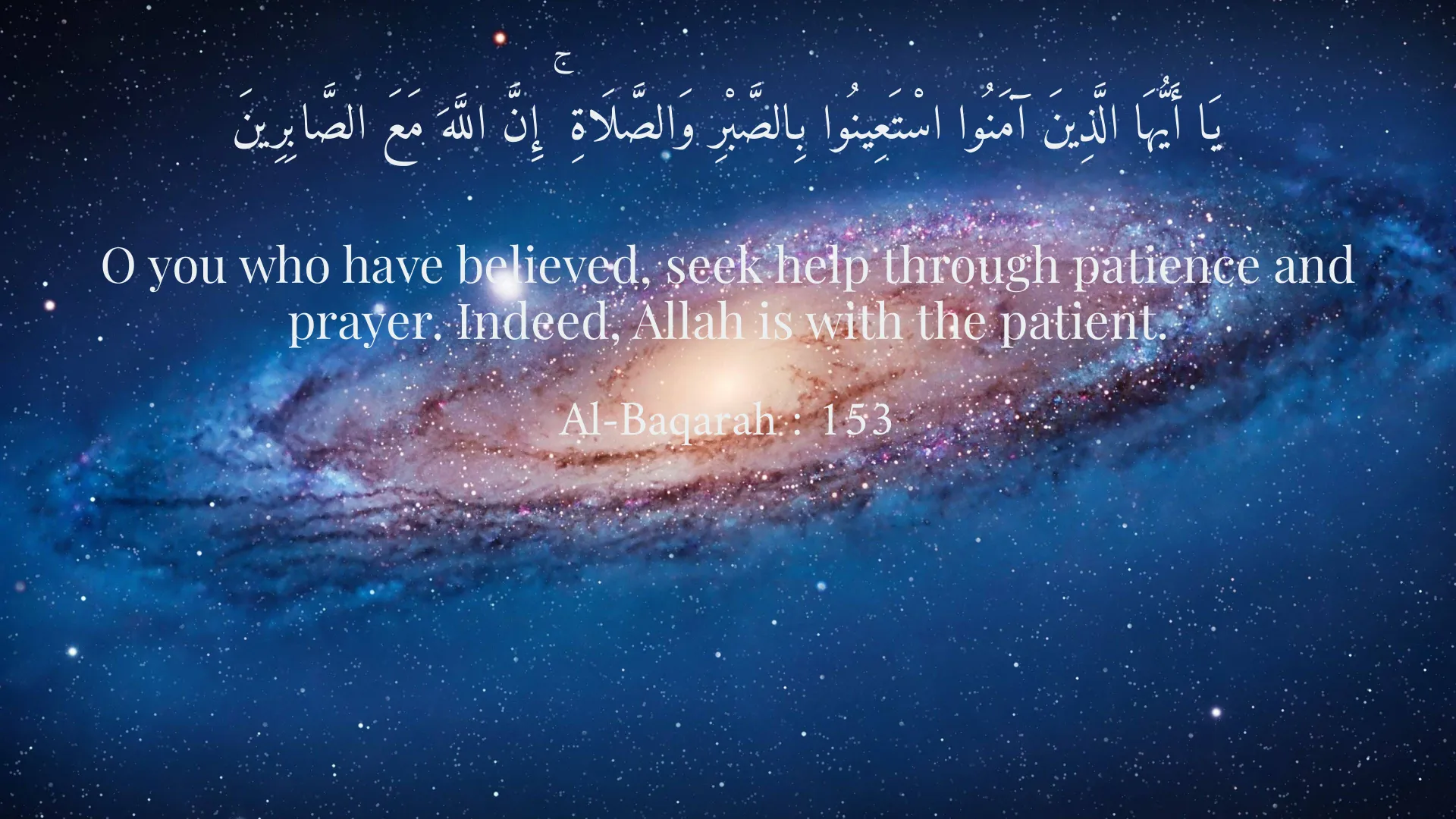
يَا أَيُّهَا الَّذِينَ آمَنُوا اسْتَعِينُوا بِالصَّبْرِ وَالصَّلَاةِ ۚ إِنَّ اللَّهَ مَعَ الصَّابِرِينَ
O you who have believed, seek help through patience and prayer. Indeed, Allah is with the patient.
Al-Baqarah : 153
الَّذِينَ آمَنُوا وَتَطْمَئِنُّ قُلُوبُهُم بِذِكْرِ اللَّهِ ۗ أَلَا بِذِكْرِ اللَّهِ تَطْمَئِنُّ الْقُلُوبُ
Those who have believed and whose hearts are assured by the remembrance of Allah. Unquestionably, by the remembrance of Allah hearts are assured.
Ar-Ra'd : 28
فَإِنَّ مَعَ الْعُسْرِ يُسْرًا
For indeed, with hardship [will be] ease.
Ash-Sharh : 5
إِنَّ مَعَ الْعُسْرِ يُسْرًا
Indeed, with hardship [will be] ease.
Ash-Sharh : 6
Short Story
It is narrated that a devout and pure-hearted dervish was caught in a famine and drought in the desert. Days passed, and he found neither water nor food, and hunger and thirst overcame him. His companions, despairing, abandoned him and went their separate ways. But the dervish, despite his weakness and frailty, did not let his heart neglect the remembrance of God, and constantly murmured: "For indeed, with hardship [will be] ease." He said to himself: "Has not God Himself promised this? How then can I despair?" As he took his last steps and was about to collapse, suddenly a clear spring appeared before him and fruit-laden trees. He said to himself: "This is the reward for the patience I had hoped for." So he drank from the sweet water and ate of the fresh fruits and regained his strength. This story teaches us that in the midst of the greatest difficulties, whoever entrusts their heart to God and does not neglect His remembrance will find ease where they least expect it. Faith in divine promises is the greatest ease itself.