Quranic Answer
Understanding the Holy Quran, the divine book of guidance, is not merely an intellectual process; it is a profound spiritual journey that requires a special mental and spiritual readiness. The Quran is the word of Allah, and to receive its light and guidance, a suitable foundation must be established within one's being. This readiness encompasses not only intellectual effort but also self-purification, sincerity of intention, and an open heart. Without these preparations, even with extensive study and research, veils may remain between a person and the truth of the divine verses. Allah Himself refers to these inner preparations in the Quran, providing guidance for a complete utilization of His divine message. Firstly, and perhaps most importantly, the foundational step for preparing the mind and heart to understand the Quran is purity of heart and sincerity of intention (Ikhlas). The heart is the center of perception and the locus for the descent of divine truths. Just as a contaminated vessel cannot hold pure water, a heart clouded by sins, malice, envy, arrogance, or excessive worldly attachments cannot properly receive the light of Quranic guidance. The Quran emphasizes the soundness of the heart, as stated in Surah Ash-Shu'ara (26:89): "Except for he who comes to Allah with a sound heart." The intention must be pure; that is, the sole purpose of understanding the Quran should be to seek Allah's pleasure, to act upon His commands, and to find guidance, not for ostentation, academic boasting, or argumentation. Sincerity of intention removes egoistic veils and opens the way for a deeper comprehension of Quranic concepts. If the intention is pure, Allah Himself will assist in understanding the verses, for sincere intention acts as a bridge for direct connection with the source of divine light and knowledge. Secondly, piety and God-consciousness (Taqwa) are essential. Taqwa means mindfulness of Allah and adherence to His boundaries; it is a state of constant awareness of Allah's presence and vigilance over one's actions and thoughts. The Quran explicitly states that its guidance is for the righteous. In Surah Al-Baqarah (2:2), we read: "This is the Book about which there is no doubt, a guidance for those conscious of Allah (Al-Muttaqeen)." Furthermore, in Surah Al-Baqarah (2:282), it says: "And fear Allah; and Allah teaches you." These verses indicate that Taqwa is the key to unlocking the doors of divine knowledge and understanding. When a person abstains from sins and adheres to divine commands, their heart and mind become clearer, making them more receptive to grasping the hidden truths within the Quranic verses. Taqwa acts like a filter, purifying the mind from intellectual impurities and satanic whispers, thereby paving the way for receiving inspirations and a deeper understanding of the word of truth. Thirdly, and one of the most crucial Quranic directives for understanding the divine word, is reflection and contemplation (Tadabbur). The Quran repeatedly calls upon people to ponder, reason, and contemplate its verses. In Surah An-Nisa (4:82), Allah says: "Do they not then reflect upon the Qur'an? If it had been from [any] other than Allah, they would have found within it much contradiction." Also, in Surah Muhammad (47:24), it states: "Do they not then reflect upon the Qur'an, or are there locks upon their hearts?" Tadabbur means deep thinking and pondering beyond the literal words and apparent meanings; it is delving into the ocean of Quranic concepts and discovering its pearls of wisdom. This requires patience, concentration, and repetition. For Tadabbur, one should read the Quran slowly and calmly, compare verses with each other, pay attention to the context of the verses, and try to grasp the overall message of the surah and the interconnections between verses. Tadabbur helps us to see the Quran not merely as a historical or literary text but as a living, dynamic guide for all aspects of life. Fourth, humility (Tawadu') and openness of mind are vital. Arrogance and pride are the greatest impediments to understanding truth. Anyone who approaches the Quran with prejudice, self-importance, or the belief that they already know everything will never benefit from it. The Quran repeatedly refers to individuals who, despite clear signs, refuse to accept the truth due to arrogance and denial. Humility before the word of God means submission to the truth, even if it contradicts our preconceived notions or desires, and opens the way for the divine word to penetrate the heart. One should approach the Quran with the understanding that we are in need of guidance, and Allah, the Exalted, guides us through this Book. This mental humility makes a person receptive to new knowledge and capable of benefiting from the deeper concepts of the Quran. In Surah Al-Isra (17:107-109), the Quran speaks of those who fall in prostration when hearing the verses of Allah, a sign of humility and heartfelt submission. Fifth, attentive listening (Istima') is commanded. Allah says in Surah Al-A'raf (7:204): "So when the Qur'an is recited, listen to it and pay attention that you may receive mercy." This verse provides clear instructions on how to engage with Quranic recitation. Active and silent listening means that our full attention is directed towards the divine word, without any mental or external distractions. This type of listening prepares the heart and mind to receive the message directly and has a profound impact on the soul. Sometimes, hearing a beautiful and humble recitation can open the way for sudden understanding and realization of certain concepts. Sixth, the continuous pursuit of knowledge (Talab al-Ilm) is important. While spiritual and heartfelt preparations are crucial, intellectual tools also play a role in understanding the Quran. A deep understanding of the Quran requires knowledge of the Arabic language, familiarity with grammatical rules, the occasions of revelation (Asbab al-Nuzul), authentic commentaries (Tafsir), and related Quranic sciences. Prophet Muhammad (PBUH) taught us to say: "My Lord, increase me in knowledge" (Surah Taha, 20:114). This supplication indicates that seeking an increase in knowledge is a divine and continuous endeavor. To better understand the Quran, studying reliable commentaries, attending Quranic study circles, and learning from knowledgeable scholars are also highly beneficial. These external tools, alongside internal preparations, ensure a comprehensive and correct understanding of the divine word. The more our knowledge of the Quran's historical, cultural, and linguistic context grows, the greater our ability to comprehend its hidden layers of meaning becomes. Finally, acting upon what is learned (Amal bi al-Quran) is an inseparable part of understanding it. The Quran is a book of guidance for life, and its true understanding depends on applying its instructions in daily life. The more we act upon what we learn, the deeper and more lasting our comprehension of its truth becomes. This practice itself creates a form of mental and spiritual readiness, as practical experience transforms abstract concepts into tangible realities, allowing the wisdom and light of the Quran to flow more abundantly into our lives. This is a continuous cycle: internal readiness, deeper understanding, acting upon what is learned, and consequently, greater readiness for understanding new layers. By practicing and persevering through these stages, one's mind and heart gradually reach the best state for receiving and understanding the divine messages of the Quran, and doors of light and guidance will open to them.
Related Verses
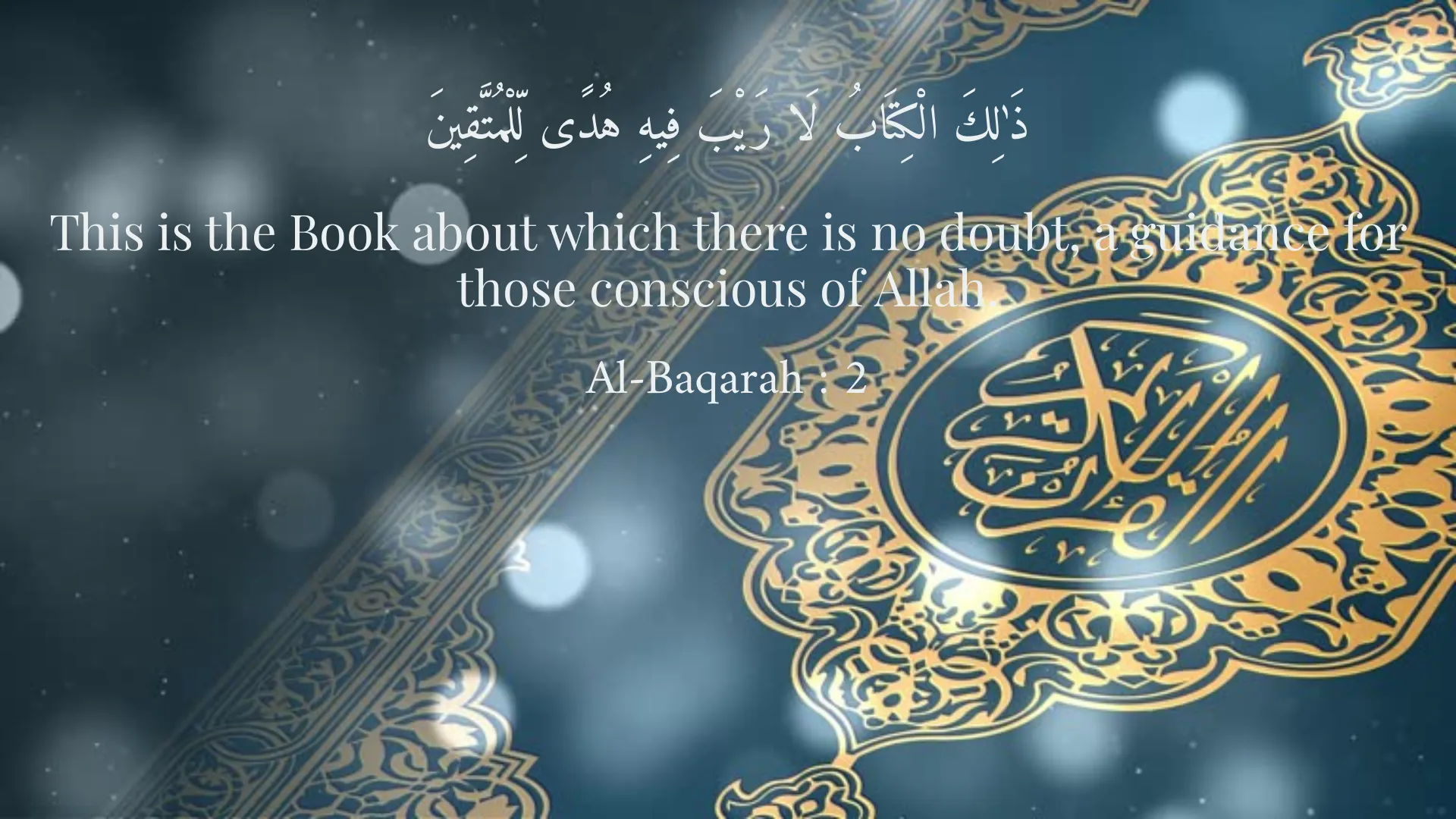
ذَٰلِكَ الْكِتَابُ لَا رَيْبَ فِيهِ هُدًى لِّلْمُتَّقِينَ
This is the Book about which there is no doubt, a guidance for those conscious of Allah.
Al-Baqarah : 2
أَفَلَا يَتَدَبَّرُونَ الْقُرْآنَ ۚ وَلَوْ كَانَ مِنْ عِندِ غَيْرِ اللَّهِ لَوَجَدُوا فِيهِ اخْتِلَافًا كَثِيرًا
Do they not then reflect upon the Qur'an? If it had been from [any] other than Allah, they would have found within it much contradiction.
An-Nisa : 82
وَإِذَا قُرِئَ الْقُرْآنُ فَاسْتَمِعُوا لَهُ وَأَنصِتُوا لَعَلَّكُمْ تُرْحَمُونَ
So when the Qur'an is recited, listen to it and pay attention that you may receive mercy.
Al-A'raf : 204
فَتَعَالَى اللَّهُ الْمَلِكُ الْحَقُّ ۗ وَلَا تَعْجَلْ بِالْقُرْآنِ مِن قَبْلِ أَن يُقْضَىٰ إِلَيْكَ وَحْيُهُ ۖ وَقُل رَّبِّ زِدْنِي عِلْمًا
So high above all is Allah, the Sovereign, the Truth. And, [O Muhammad], do not hasten with [recitation of] the Qur'an before its revelation has been completed to you, and say, "My Lord, increase me in knowledge."
Taha : 114
Short Story
It is narrated in Saadi's Gulistan that a wise man said to a student who was seeking knowledge: "O young man, knowledge is not merely in the pages of books, but in the heart that seeks truth with pure intention and humility." The student asked in wonder, "How so?" The sage replied, "Many there are who memorize books, yet their hearts remain heedless and deprived of the light of truth. But he who approaches the word of God with a pure heart and a humble spirit, for him, it is as if every verse opens a window to profound insight." And so, the student changed his approach. With each recitation of the Quran, he first purified his heart and asked God to remove the veils from his eyes and grant him deeper understanding. And thus, he found countless pearls of wisdom in the Divine Book that he had never seen before.