Quranic Answer
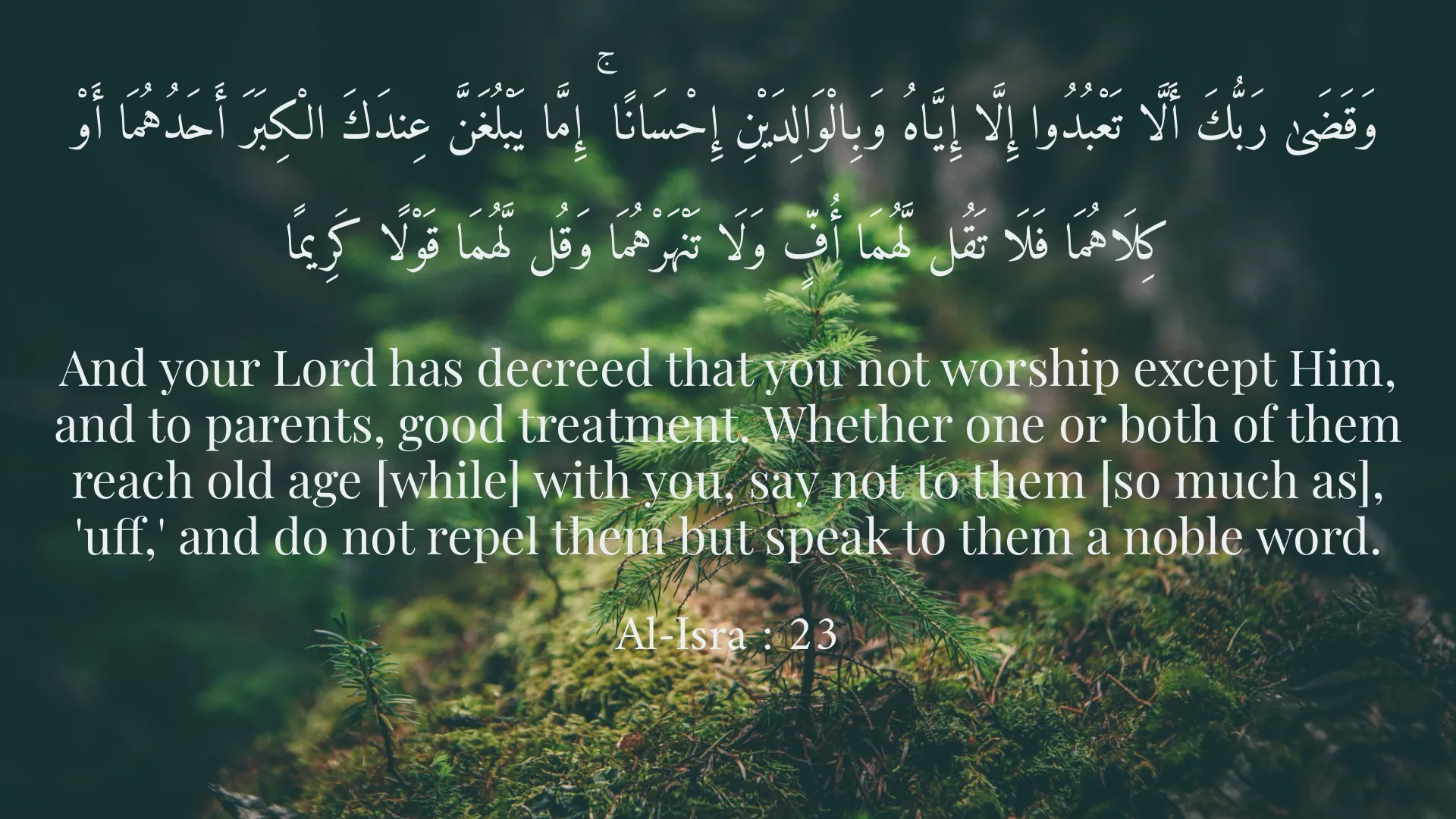
The Holy Quran, as a guide and beacon for humanity, elaborates extensively on the importance and manner of proper and polite speech. Throughout its luminous verses, it not only commands people on how to speak with one another but also warns them that speech is a reflection of one's character, faith, and upbringing, having a profound impact on social relationships and even one's worldly and otherworldly destiny. Politeness in speech, from a Quranic perspective, is not merely a moral rule but an inseparable part of piety (taqwa), wisdom (hikmah), and true faith (iman). These teachings encompass a wide range of instructions, from how to speak with parents and rulers to interacting with the needy, strangers, and even enemies. One of the most significant Quranic injunctions regarding speech etiquette is 'Qawl Kareem' or noble and honorable speech. This concept is particularly emphasized in relation to parents. In Surah Al-Isra, verse 23, Allah (SWT) states: "And your Lord has decreed that you not worship except Him, and to parents, good treatment. Whether one or both of them reach old age [while] with you, say not to them [so much as], 'uff,' and do not repel them but speak to them a noble word." This verse illustrates that even the slightest disrespect or a word implying annoyance is unacceptable towards parents. 'Qawl Kareem' signifies speech expressed with respect, love, humility, and gratitude, bringing peace of mind to the listener. This type of speech reflects the depth of Islamic upbringing and respect for the status of individuals, especially those who hold a great right over us. It highlights the profound reverence due to those who nurtured us, emphasizing that our words should always convey warmth, honor, and heartfelt appreciation. Such a command goes beyond mere courtesy; it encapsulates the essence of filial piety and genuine affection, nurturing family bonds and fostering an atmosphere of mutual respect and spiritual harmony. Another type of desired speech is 'Qawl Layyin' or gentle and mild speech. This teaching is presented in Surah Taha, verse 44, concerning the manner in which Moses and Aaron were to speak to Pharaoh, the tyrant of their time: "And speak to him with gentle speech that perhaps he may be reminded or fear [Allah]." This verse imparts a great lesson: even when confronting the most arrogant and oppressive individuals, one should use a soft tone and gentle words to open the path for truth to penetrate. Gentle speech means avoiding harsh, rude, offensive, or sarcastic language, and instead choosing words that are soothing, persuasive, and devoid of any tension. The purpose of 'Qawl Layyin' is not only to maintain etiquette and respect but also to create an environment where the message can be heard and hearts can be influenced. This type of speech demonstrates the speaker's patience, wisdom, and foresight, helping them overcome obstacles in the path of inviting others to the truth. It signifies a profound understanding of human psychology, recognizing that aggression often begets resistance, whereas gentleness can disarm hostility and open channels for dialogue and reflection. 'Qawl Sadeed' or upright and correct speech is also among the Quran's recommendations. In Surah Al-Ahzab, verse 70, it states: "O you who have believed, fear Allah and speak words of appropriate justice." 'Qawl Sadeed' refers to speech that is based on truth, reason, logic, and righteousness; speech that is free from any lies, slander, backbiting, gossip, or deception. This type of speech includes honesty, accuracy in stating facts, and avoidance of spreading rumors and distortions. Upright speech strengthens the foundation of trust in society and prevents misunderstandings and conflicts. When one's speech is 'sadeed,' not only does the individual prosper (as mentioned in verse 71 of Surah Al-Ahzab, following this verse), but it also contributes to the rectification of society and the creation of a healthy, trustworthy environment. This command extends to all forms of communication, including public discourse, legal testimonies, and personal interactions, underscoring the importance of verbal integrity in building a just and moral society. Furthermore, the Holy Quran explicitly prohibits indecent and undesirable forms of speech. Surah Al-Hujurat, verses 11 and 12, are prime examples of these prohibitions: "O you who have believed, let not a people ridicule [another] people; perhaps they may be better than them... And do not insult one another and do not call each other by [offensive] nicknames. Wretched is the name of disobedience after [one's] belief. And whoever does not repent - then it is those who are the wrongdoers. ...And do not backbite each other." These verses clearly forbid mockery, fault-finding, using offensive nicknames, and backbiting. Such speech not only violates etiquette but also causes distress, resentment, division, and diminishes the dignity of individuals in society. The Quran believes that any form of speech that insults human dignity contradicts the spirit of faith and piety. It highlights that true belief necessitates respecting the sanctity of every individual, ensuring that our words uplift rather than demean. These prohibitions serve to foster a community built on mutual respect, empathy, and positive regard, reflecting the Islamic emphasis on brotherhood and sisterhood. Additionally, in Surah Luqman, verse 19, in Luqman's wise counsel to his son, there is a reference to moderation in voice and avoiding unnecessarily raising one's voice: "And be moderate in your pace and lower your voice; indeed, the most disagreeable of sounds is the voice of donkeys." This verse points not only to etiquette in walking but also to etiquette in speaking in terms of voice volume. Loud and unnecessary shouting is a sign of impoliteness and disrespect and can cause annoyance to others. Islam emphasizes moderation in all matters, including speech. It teaches that true strength lies not in shouting but in the clarity, wisdom, and composure of one's words. A gentle, measured tone is more likely to convey respect and invite thoughtful consideration, contributing to a harmonious and peaceful interaction. In conclusion, the Holy Quran teaches us that speech is an immensely powerful tool that can either build or destroy. Therefore, Muslims are obligated to exercise utmost care and vigilance in their speech. This care includes the selection of words, tone of voice, content of speech, and even the timing and place of communication. Politeness in speech in Islam is part of worship and a path to drawing closer to Allah, for good words reflect a sound heart and firm faith. Observing these etiquettes not only makes individual life more peaceful but also greatly contributes to creating a compassionate society, built on trust and committed to human values. Thus, Quranic teachings on speech etiquette provide a comprehensive and enduring framework for a healthy and spiritual social life.
Related Verses
وَقَضَىٰ رَبُّكَ أَلَّا تَعْبُدُوا إِلَّا إِيَّاهُ وَبِالْوَالِدَيْنِ إِحْسَانًا ۚ إِمَّا يَبْلُغَنَّ عِندَكَ الْكِبَرَ أَحَدُهُمَا أَوْ كِلَاهُمَا فَلَا تَقُل لَّهُمَا أُفٍّ وَلَا تَنْهَرْهُمَا وَقُل لَّهُمَا قَوْلًا كَرِيمًا
And your Lord has decreed that you not worship except Him, and to parents, good treatment. Whether one or both of them reach old age [while] with you, say not to them [so much as], 'uff,' and do not repel them but speak to them a noble word.
Al-Isra : 23
فَقُولَا لَهُ قَوْلًا لَّيِّنًا لَّعَلَّهُ يَتَذَكَّرُ أَوْ يَخْشَىٰ
And speak to him with gentle speech that perhaps he may be reminded or fear [Allah].
Taha : 44
يَا أَيُّهَا الَّذِينَ آمَنُوا اتَّقُوا اللَّهَ وَقُولُوا قَوْلًا سَدِيدًا
O you who have believed, fear Allah and speak words of appropriate justice.
Al-Ahzab : 70
يَا أَيُّهَا الَّذِينَ آمَنُوا لَا يَسْخَرْ قَوْمٌ مِّن قَوْمٍ عَسَىٰ أَن يَكُونُوا خَيْرًا مِّنْهُمْ وَلَا نِسَاءٌ مِّن نِّسَاءٍ عَسَىٰ أَن يَكُنَّ خَيْرًا مِّنْهُنَّ ۖ وَلَا تَلْمِزُوا أَنفُسَكُمْ وَلَا تَنَابَزُوا بِالْأَلْقَابِ ۖ بِئْسَ الِاسْمُ الْفُسُوقُ بَعْدَ الْإِيمَانِ ۚ وَمَن لَّمْ يَتُبْ فَأُولَٰئِكَ هُمُ الظَّالِمُونَ
O you who have believed, let not a people ridicule [another] people; perhaps they may be better than them; nor let women ridicule [other] women; perhaps they may be better than them. And do not insult one another and do not call each other by [offensive] nicknames. Wretched is the name of disobedience after [one's] belief. And whoever does not repent - then it is those who are the wrongdoers.
Al-Hujurat : 11
Short Story
It is narrated in Saadi's Golestan that two dervishes from Khorasan, one eloquent and the other ill-tempered, journeyed together. They arrived in a city ruled by a harsh governor. The ill-tempered dervish immediately slandered the governor behind his back, while the eloquent dervish spoke only of general wisdom and peace. Before long, the governor's guards came and arrested the ill-tempered dervish for his derogatory remarks, while the eloquent one remained undisturbed. The eloquent dervish later visited his friend in prison and said to him, 'Did I not tell you not to speak ill of others behind their backs, for your words will be heard and judged? See the consequence of sharp words, while a gentle tongue navigates through thorns without harm.' The ill-tempered dervish, having learned his lesson the hard way, acknowledged the wisdom. This story illustrates that a kind and measured word is like a healing balm, while a harsh tongue can inflict wounds even upon its owner.