Quranic Answer
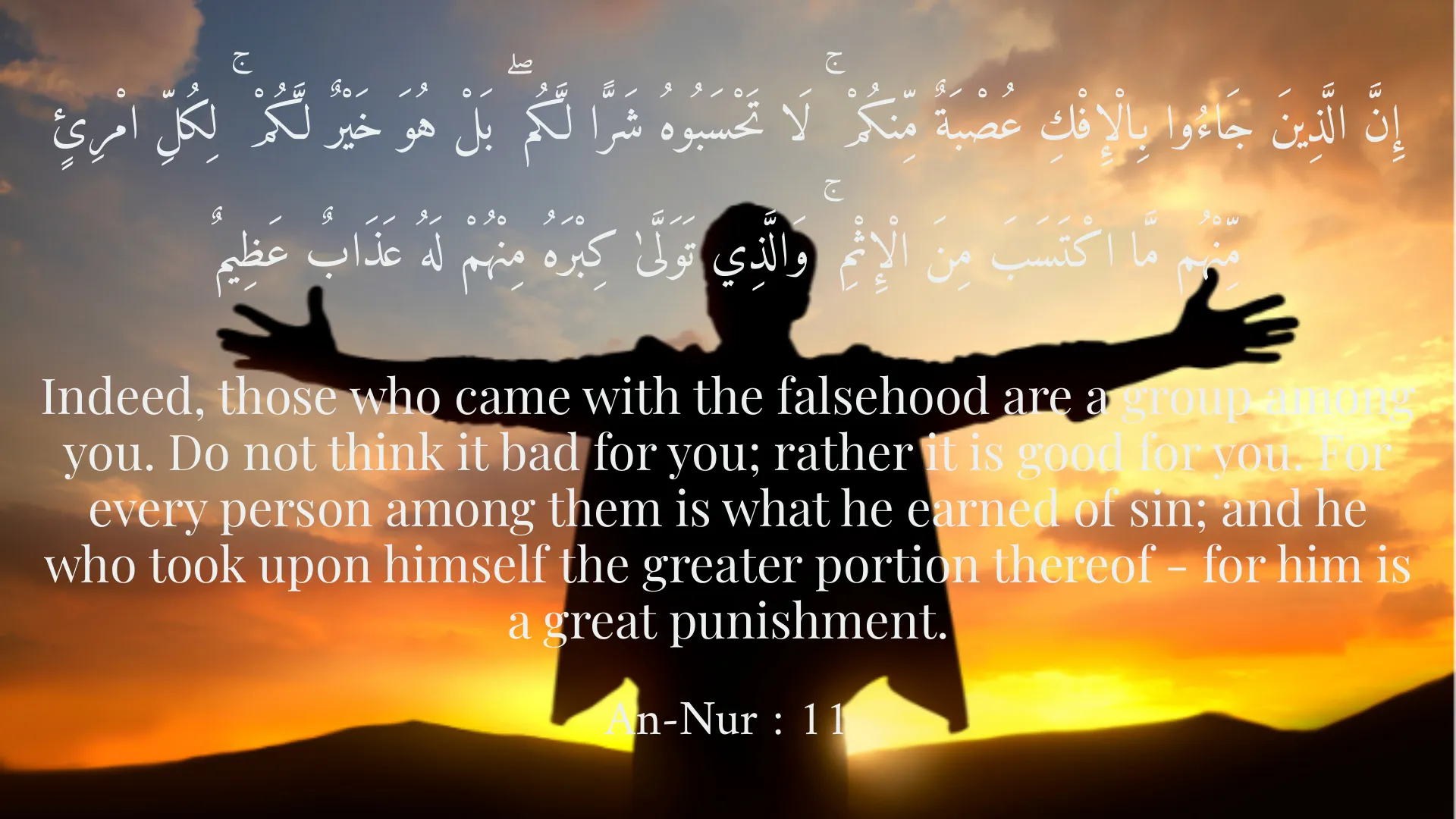
The Holy Quran, as a divine guide, delves extensively into ethical and social matters, offering clear directives for maintaining the health and tranquility of society. One of the significant issues that the Quran vehemently prohibits, and warns of its severe consequences, is defamation (slander) and rumor-mongering. These two actions are considered primary roots of social corruption, fostering hatred and animosity, and destroying individuals' reputations. Through numerous verses and with a firm tone, the Quran prevents believers from falling into the trap of these grave sins and provides practical solutions to combat them. The prohibition of defamation and rumor-mongering in the Quran is examined from various angles. The first and perhaps most prominent example is the incident of the 'Ifk' (the great slander) detailed in Surah An-Nur. In this Surah, Allah Almighty sternly reprimands those who engaged in spreading falsehoods and unjust accusations against the Prophet's wife (peace be upon him), warning them of the worldly and otherworldly consequences of such an act. Verse 11 of Surah An-Nur states: "Indeed, those who came with the falsehood are a group among you. Do not think it bad for you; rather it is good for you. For every person among them is what he earned of sin; and he who took upon himself the greater portion thereof - for him is a great punishment." This verse illustrates that rumor-mongering and slander are not just individual sins but can lead to a great divine punishment, and outwardly, may even serve as a test for believers. Further in the same Surah (verse 19), it states: "Indeed, those who like that immorality should be spread among those who have believed will have a painful punishment in this world and the Hereafter. And Allah knows, and you do not know." This verse clearly indicates that even the desire to spread indecency and rumors is considered a major sin with worldly and otherworldly penalties. This demonstrates the profound emphasis the Quran places on preserving the honor and reputation of individuals and preventing the dissemination of any moral or social corruption. Another Quranic strategy to counter rumor-mongering is the emphasis on the necessity of verifying news and information. In Surah Al-Hujurat, verse 6, Allah says: "O you who have believed, if there comes to you a disobedient one with information, investigate, lest you harm a people out of ignorance and then regret what you have done." This verse establishes a fundamental and golden rule for social and, indeed, contemporary media interactions. Before spreading any news or rumor, a believer is obligated to ascertain its authenticity and never act based on mere conjecture or the words of unknown individuals. Adhering to this verse can establish a strong barrier against the flood of rumors and misinformation. Furthermore, the Quran strongly prohibits backbiting (gheebah) and spying (tajassus), which are themselves precursors to defamation and rumor-mongering. In Surah Al-Hujurat, verse 12, Allah says: "O you who have believed, avoid much [negative] assumption. Indeed, some assumption is sin. And do not spy or backbite each other. Would one of you like to eat the flesh of his brother when dead? You would detest it. And fear Allah; indeed, Allah is Accepting of repentance and Merciful." This verse uses a profoundly shocking and vivid metaphor, likening backbiting to eating the flesh of one's dead brother, evoking the utmost revulsion and impurity. Backbiting and spying often serve as a prelude to the formation of rumors and unjust accusations, as individuals who spy on others seek to find flaws, which they might then exaggerate and spread as rumors. Therefore, by prohibiting these two actions, the Quran fundamentally eradicates the roots of rumor-mongering. Additionally, the Quran emphasizes the importance of guarding one's tongue and speaking only based on knowledge and certainty. In Surah Al-Isra, verse 36, it states: "And do not pursue that of which you have no knowledge. Indeed, the hearing, the sight and the heart - about all those [one] will be questioned." This verse presents a general principle regarding human informational conduct. Any speech or judgment made without knowledge or valid reason is accountable before Allah. This includes spreading any news or rumor whose accuracy one is not certain of, merely relaying it based on guesswork or imitation of others. Such statements can easily lead to slander and defamation, ruining lives. In summary, the Holy Quran, through numerous verses and by emphasizing ethical and social principles, comprehensively and completely prohibits defamation and rumor-mongering. This prohibition is not merely a dry injunction; rather, by articulating logical reasons, vivid metaphors, and warnings of worldly and otherworldly consequences, it highlights the significance of this matter in the minds of believers. The emphasis on verification and investigation, avoidance of suspicion and spying, abstention from backbiting, and accountability for what is uttered are among the most important Quranic strategies for creating a healthy society based on trust, mutual respect, and free from any moral and social corruption. Adherence to these teachings not only helps preserve individual honor but also lays the groundwork for social cohesion and individual spiritual growth.
Related Verses
إِنَّ الَّذِينَ جَاءُوا بِالْإِفْكِ عُصْبَةٌ مِّنكُمْ ۚ لَا تَحْسَبُوهُ شَرًّا لَّكُم ۖ بَلْ هُوَ خَيْرٌ لَّكُمْ ۚ لِكُلِّ امْرِئٍ مِّنْهُم مَّا اكْتَسَبَ مِنَ الْإِثْمِ ۚ وَالَّذِي تَوَلَّىٰ كِبْرَهُ مِنْهُمْ لَهُ عَذَابٌ عَظِيمٌ
Indeed, those who came with the falsehood are a group among you. Do not think it bad for you; rather it is good for you. For every person among them is what he earned of sin; and he who took upon himself the greater portion thereof - for him is a great punishment.
An-Nur : 11
إِنَّ الَّذِينَ يُحِبُّونَ أَن تَشِيعَ الْفَاحِشَةُ فِي الَّذِينَ آمَنُوا لَهُمْ عَذَابٌ أَلِيمٌ فِي الدُّنْيَا وَالْآخِرَةِ ۚ وَاللَّهُ يَعْلَمُ وَأَنتُمْ لَا تَعْلَمُونَ
Indeed, those who like that immorality should be spread among those who have believed will have a painful punishment in this world and the Hereafter. And Allah knows, and you do not know.
An-Nur : 19
يَا أَيُّهَا الَّذِينَ آمَنُوا إِن جَاءَكُمْ فَاسِقٌ بِنَبَإٍ فَتَبَيَّنُوا أَن تُصِيبُوا قَوْمًا بِجَهَالَةٍ فَتُصْبِحُوا عَلَىٰ مَا فَعَلْتُمْ نَادِمِينَ
O you who have believed, if there comes to you a disobedient one with information, investigate, lest you harm a people out of ignorance and then regret what you have done.
Al-Hujurat : 6
يَا أَيُّهَا الَّذِينَ آمَنُوا اجْتَنِبُوا كَثِيرًا مِّنَ الظَّنِّ إِنَّ بَعْضَ الظَّنِّ إِثْمٌ ۖ وَلَا تَجَسَّسُوا وَلَا يَغْتَب بَّعْضُكُم بَعْضًا ۚ أَيُحِبُّ أَحَدُكُمْ أَن يَأْكُلَ لَحْمَ أَخِيهِ مَيْتًا فَكَرِهْتُمُوهُ ۚ وَاتَّقُوا اللَّهَ ۚ إِنَّ اللَّهَ تَوَّابٌ رَّحِيمٌ
O you who have believed, avoid much [negative] assumption. Indeed, some assumption is sin. And do not spy or backbite each other. Would one of you like to eat the flesh of his brother when dead? You would detest it. And fear Allah; indeed, Allah is Accepting of repentance and Merciful.
Al-Hujurat : 12
Short Story
It is narrated in Saadi's Gulistan that a wise man was sitting among a gathering. One of those present began to backbite and speak ill of another person. The wise man calmly looked at him and said: "My friend, if there is a crooked wall in your house and you wish to straighten it, first take action yourself. How can you speak of others' faults when your own house needs renovation?" He then added: "One who sees their own flaws and strives to correct them will never find the opportunity to backbite or spread rumors about others." This heartwarming anecdote reminds us that defamation and rumor-mongering stem from self-conceit and neglect of one's own faults, and that by self-improvement and focusing on self-rectification, the roots of these sins can be dried up.