Quranic Answer
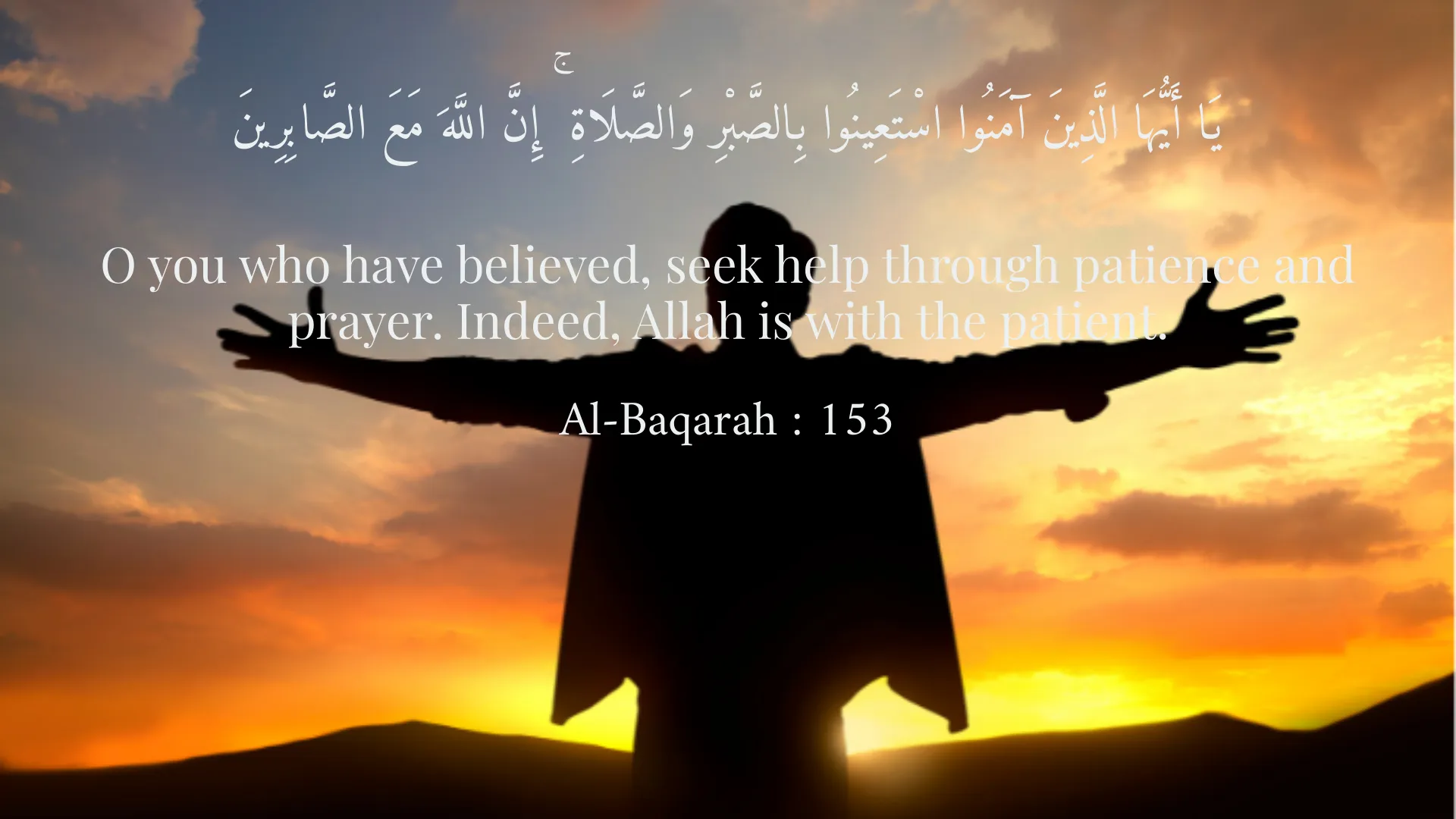
The Holy Quran, as a divine guide and a beacon for humanity, is replete with teachings that not only assist us in our daily lives but also play a crucial role in strengthening our spirits, combating despair, and fostering perseverance and resilience in the face of hardships. Despair, as one of the greatest spiritual afflictions, can paralyze an individual, leading to inertia and absolute hopelessness. However, the Quran, by emphasizing key concepts such as faith, reliance on God (Tawakkul), patience (Sabr), and remembrance of God (Dhikr), offers fundamental solutions to overcome this state and achieve inner peace. These teachings encompass both intellectual and doctrinal aspects, as well as practical and behavioral dimensions. One of the most central Quranic teachings for combating despair is the concept of "Tawakkul" or reliance on Allah. Tawakkul means absolute trust in the Almighty God and entrusting one's affairs to Him after putting forth sincere effort. The Quran repeatedly calls believers to Tawakkul and emphasizes that Allah is sufficient for all matters. This belief assures an individual that even in the darkest moments, an infinitely powerful, knowledgeable, and merciful force supports them and will never abandon them. In Surah At-Talaq (Divorce), verse 3, it states: "And whoever relies upon Allah - then He is sufficient for him. Indeed, Allah will accomplish His purpose. Allah has already set for everything a [decreed] extent." This verse promises that every problem has a solution, and Allah never disappoints His servant, provided their heart is connected to God and they do not lose hope in apparent means. Tawakkul is not just a word; it is a state of the heart and a way of life that frees a person from anxiety and apprehension, granting them peace because they know that ultimately everything will unfold in the best possible way, even if it does not appear so outwardly. Another concept strongly emphasized by the Holy Quran, which enables perseverance in the face of despair, is "Sabr" or patience. Sabr means steadfastness in the face of difficulties, abstaining from complaining and lamenting, and remaining firm on the path of truth, whether it be in enduring calamities, performing acts of worship, or abstaining from sins. The Holy Quran, in numerous verses, invites believers to patience and praises the patient, promising them immense reward. In Surah Al-Baqarah (The Cow), verse 153, it states: "O you who have believed, seek help through patience and prayer. Indeed, Allah is with the patient." This verse indicates that patience and prayer are two powerful tools for overcoming problems and despair. Patience empowers an individual to maintain composure in the face of adversity and to view matters with a long-term perspective. When a person is patient, they understand that every difficulty has an end and that ease follows every hardship, and this patience leads to closeness to Allah and His pleasure. This point is clearly expressed in Surah Al-Inshirah (The Relief or The Opening Forth), verses 5 and 6: "For indeed, with hardship [will be] ease. Indeed, with hardship [will be] ease." The repetition of this verse twice in one Surah is a strong affirmation of the truth that difficulties are transient and that Allah always provides relief after tribulation. This divine promise, like water extinguishing the fire of despair, cleanses the heart of a person and gives them hope that even in the darkest depths, divine light is on its way, and relief from the Lord will come. This inner certainty is the greatest asset for perseverance. "Prayer (Salat) and remembrance of Allah (Dhikr)" are also important tools introduced by the Quran for combating despair and achieving tranquility. Prayer, as the pillar of faith and the ascension of the believer, is an opportunity for direct and unmediated communication with the Creator. During the moments of prayer, a person, free from worldly concerns, surrenders their heart and soul to Allah, shares their problems with Him, and seeks His help and solace. This deep connection eliminates the feeling of loneliness and replaces it with divine presence and support. Dhikr, or the remembrance of Allah, involves remembering God with both the heart and tongue, which includes reciting the Quran, making supplications (Du'a), glorifying Allah (Tasbih), and affirming His Oneness (Tahlil). This continuous remembrance leads to inner peace and reassurance. In Surah Ar-Ra'd (The Thunder), verse 28, it states: "Those who have believed and whose hearts are assured by the remembrance of Allah. Unquestionably, by the remembrance of Allah hearts are assured." This verse indicates that the remembrance of Allah is the most significant factor in alleviating anxiety and despair, helping individuals maintain their peace and stability in the face of life's challenges. The Quran also presents practical and inspiring examples of perseverance in the face of despair by recounting the stories of divine prophets and righteous individuals. Stories like that of Prophet Ayyub (Job), who with his unparalleled patience overcame severe illnesses and the loss of wealth and children, ultimately receiving his reward; or Prophet Yunus (Jonah), who was saved from the darkness and despair in the belly of the fish, and his repentance was accepted; and the eventful story of Prophet Yusuf (Joseph), who rose from a well to become the esteemed minister of Egypt and gained power and honor—all are great lessons in not giving up hope and trusting in divine relief. These stories teach us that even at the height of difficulties and adversities, we must have faith in Allah's mercy and power and never despair of Him; for every problem has an end, and after every darkness, light will emerge. Most importantly, the Quran reminds us that worldly life is a place of trial, and hardships are an inseparable part of it. This perspective helps us to view tribulations not as punishments, but as opportunities for growth, purification, and drawing closer to Allah. In Surah Al-Ankabut (The Spider), verses 2 and 3, it states: "Do people think that they will be left alone because they say 'We believe,' and will not be tested? But We have certainly tested those before them, and Allah will surely make evident those who are truthful, and He will surely make evident the liars." These verses give us a deep understanding that difficulties are for testing our faith, not for destroying us. This perspective transforms despair into a factor for growth and closeness to Allah, empowering an individual to persevere wholeheartedly against it. Finally, the Quran teaches us never to despair of Allah's vast mercy. This lesson is perhaps the most crucial message the Quran offers for combating despair. In Surah Yusuf (Joseph), verse 87, it states: "And do not despair of the relief of Allah. Indeed, no one despairs of the relief of Allah except the disbelieving people." This verse explicitly states that despairing of Allah's mercy is a sign of disbelief, and a true believer never despairs under any circumstances, no matter how difficult, always seeing a glimmer of hope. This outlook is a strong driving force for continuing the path, overcoming every obstacle, and moving towards a brighter future. Through these comprehensive and profound teachings, the Quran not only illuminates the way out of despair but also empowers individuals to persevere through all of life's ups and downs with a confident heart and a resilient spirit, always hoping for divine grace and relief.
Related Verses
يَا أَيُّهَا الَّذِينَ آمَنُوا اسْتَعِينُوا بِالصَّبْرِ وَالصَّلَاةِ ۚ إِنَّ اللَّهَ مَعَ الصَّابِرِينَ
O you who have believed, seek help through patience and prayer. Indeed, Allah is with the patient.
Al-Baqarah : 153
فَإِنَّ مَعَ الْعُسْرِ يُسْرًا
For indeed, with hardship [will be] ease.
Al-Inshirah : 5
إِنَّ مَعَ الْعُسْرِ يُسْرًا
Indeed, with hardship [will be] ease.
Al-Inshirah : 6
وَلَا تَيْأَسُوا مِن رَّوْحِ اللَّهِ ۖ إِنَّهُ لَا يَيْئَسُ مِن رَّوْحِ اللَّهِ إِلَّا الْقَوْمُ الْكَافِرُونَ
And do not despair of the relief of Allah. Indeed, no one despairs of the relief of Allah except the disbelieving people.
Yusuf : 87
الَّذِينَ آمَنُوا وَتَطْمَئِنُّ قُلُوبُهُم بِذِكْرِ اللَّهِ ۗ أَلَا بِذِكْرِ اللَّهِ تَطْمَئِنُّ الْقُلُوبُ
Those who have believed and whose hearts are assured by the remembrance of Allah. Unquestionably, by the remembrance of Allah hearts are assured.
Ar-Ra'd : 28
Short Story
It is narrated in Sa'di's tales that once upon a time, a pious and good-natured man fell into severe hardship, and fortune turned against him. All his wealth was lost, and his friends abandoned him. Khwaja Emad, as he was called, sank so deep into despair that it seemed no ray of light could reach him. Grief and sorrow overwhelmed his being, leaving him with no strength to carry on. But in the midst of this darkness, he remembered the words of the wise and the verses of the Quran which stated: 'Never despair of the mercy of Allah.' Instead of succumbing to sorrow, he sought refuge in the divine presence, and with a broken heart yet full of faith, he turned to remembrance and supplication. Although the problems seemed endless, he persevered with patience and reliance on God, fulfilling his duties and never neglecting the remembrance of Allah. Finally, after a long time, an unexpected relief came from the Almighty. A new opportunity arose in his life that not only freed him from his predicament but also brought him to a state of peace and honor he had never imagined before. This story teaches us that in the depths of despair, hope in God shines like a light in the heart, and steadfastness in faith is the key to overcoming every impasse and achieving relief; for 'with every hardship, there is ease.'