Quranic Answer
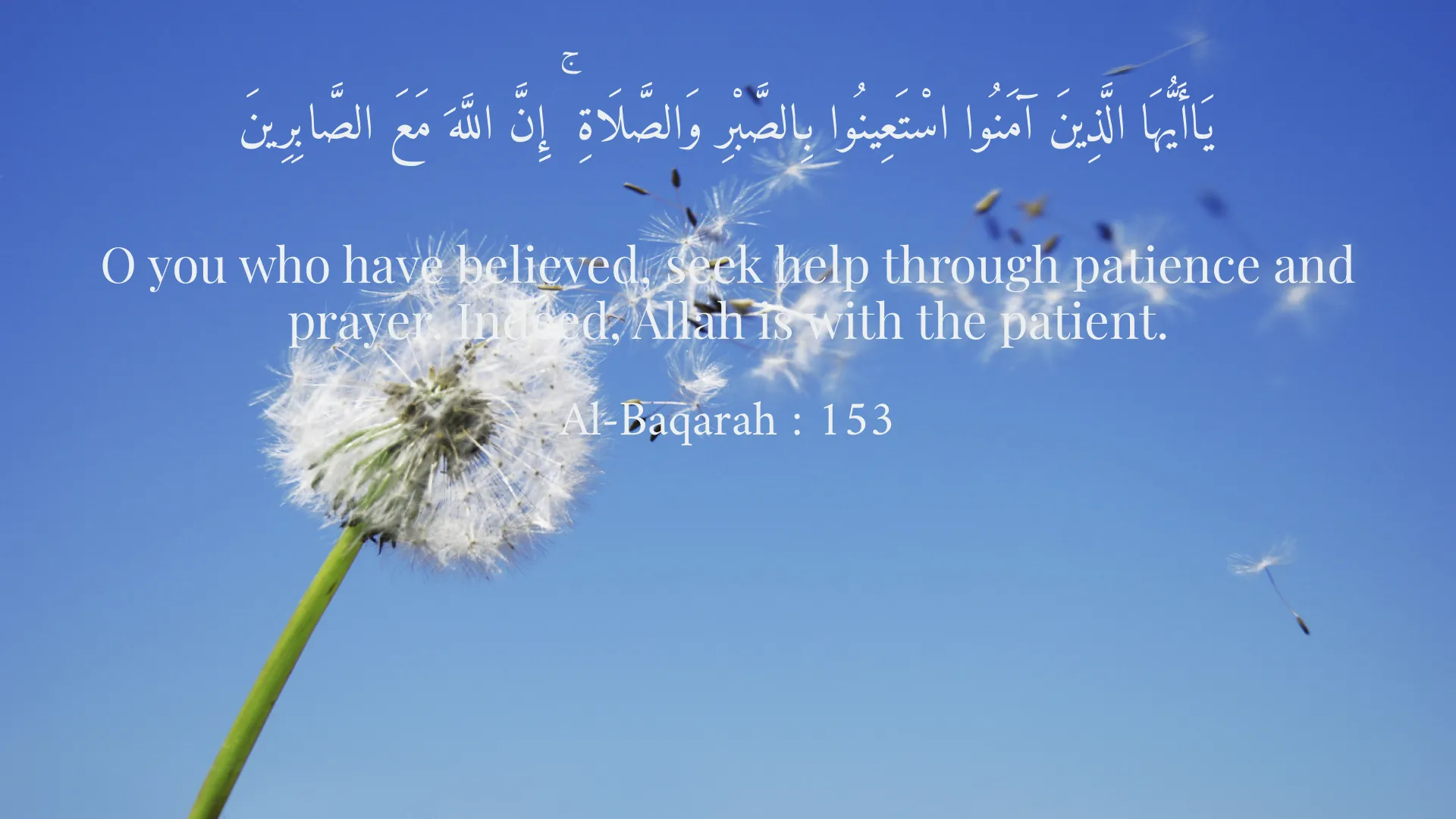
In the Holy Quran, Allah has provided guidance to help us navigate the complexities and challenges of life. Life, as we know, can be full of trials and tribulations that test our patience and resolve. However, the Quran offers us wisdom and tools to help us cope, one of the most significant principles being patience and perseverance. This article will explore these concepts in depth, utilizing Quranic verses to illustrate these essential teachings. Surah Al-Baqarah is one of the fundamental chapters of the Quran that emphasis on patience. Among its notable verses, verse 153 stands out: 'O you who have believed, seek help through patience and prayer. Indeed, Allah is with the patient.' This verse serves as a poignant reminder that in the face of hardships, we should turn to Allah in prayer and patience. It emphasizes that we are never alone in our struggles; Allah is always by our side, waiting for us to call upon Him for support. Patience, in this context, is not simply the ability to wait; it is an active state of acceptance and serene endurance. It encourages us to remain steadfast even when faced with adversity, as there is a greater purpose behind these challenges. In life, we often encounter situations that seem insurmountable, from personal crises to global issues that affect us all. Yet, the Quran reassures us through verse 286 of Surah Al-Baqarah, which states, 'Allah does not burden a soul beyond that it can bear.' This powerful message provides comfort, reinforcing that Allah tests us only to the extent that we possess the capacity to endure those trials. It assures us that even in our darkest moments, there is a light, and there are resources within us that we can tap into to overcome these challenges. Moreover, it is imperative to recognize that hardships can function as tests from Allah. They serve as reminders to reconnect with our faith and realign ourselves with the path He has laid out for us. In Surah Al-Anfal, verse 28, Allah reminds us, 'Your wealth and your children are but a trial, and Allah has with Him a great reward.' This verse teaches us to view our life's challenges through a different lens. Our possessions, our loved ones, and even our health can sometimes become sources of strife. However, these are all tests designed to shape our character and to guide us back to what is genuinely important in life – our worship of Allah and our gratitude for His blessings. It is crucial for us to maintain our composure and mindfulness in times of difficulty. The Quran consistently reminds us to remain faithful and steadfast, even when faced with trials that test our limits. Supplication and prayer are vital tools that help us navigate through challenging times. As we turn to Allah in moments of despair, we find solace and strength. Surah Ghafir, verse 60 echoes this sentiment beautifully by saying, 'And your Lord says, 'Call upon Me; I will respond to you.' This invitation from Allah emphasizes the importance of prayer as a conduit for our struggles and aspirations. It encourages us to articulate our needs and desires, to express our fears and our hopes, and to seek divine assistance in overcoming the hurdles laid in front of us. In practice, patience and perseverance are fundamental principles that we can incorporate into our daily lives. For instance, when faced with a challenging work environment or in the face of societal pressures, the teachings of the Quran encourage us to find strength in patience. Instead of resorting to frustration or despair, we are urged to cultivate a mindset of gratitude and endurance. By doing so, we acknowledge that our experiences contribute to our growth and development as individuals. Furthermore, these principles can also be applied to personal relationships. Conflicts with family, friends, or colleagues can often lead to emotional turmoil and distress. In such cases, patience serves as a vehicle for understanding and reconciliation. As we practice patience within our relationships, we allow ourselves the space to contemplate our responses and to approach conflicts with empathy and compassion. Each challenge we confront becomes an opportunity to enhance our character and deepen our relationships. The importance of patience and perseverance extends beyond personal growth; they are also critical for collective progress. In a world rife with social injustices and inequalities, we are called to be patient as we work toward change. Social movements often require substantial time, effort, and, at times, suffering before justice is achieved. By embodying patience and perseverance, we contribute to a better future for ourselves and generations to come. In conclusion, the Holy Quran encapsulates a wealth of wisdom that offers us guidance in coping with life's difficulties. The virtues of patience and perseverance are essential to overcoming challenges, both personally and collectively. Drawing strength from prayer and supplication to Allah, as emphasized in several Quranic verses, enables us to bolster our resilience. By approaching life's trials with a mindset of patience, we can cultivate inner peace and emerge stronger, wiser, and more connected to our faith. As we navigate through our lives, let us remember the profound teachings of the Quran and the reassurance that Allah is always with us in our times of need.
Related Verses
يَاأَيُّهَا الَّذِينَ آمَنُوا اسْتَعِينُوا بِالصَّبْرِ وَالصَّلَاةِ ۚ إِنَّ اللَّهَ مَعَ الصَّابِرِينَ
O you who have believed, seek help through patience and prayer. Indeed, Allah is with the patient.
Al-Baqarah : 153
لَا يُكَلِّفُ اللَّهُ نَفْسًا إِلَّا وُسْعَهَا.
Allah does not burden a soul beyond that it can bear.
Al-Baqarah : 286
وَقَالَ رَبُّكُمُ ادْعُونِي أَسْتَجِبْ لَكُمْ.
And your Lord says, 'Call upon Me; I will respond to you.'
Ghafir : 60
Short Story
Once there was a man named Hassan who found himself amidst hardship and distress. He felt his life was collapsing. However, one day he decided to turn to the Quran and read its verses. He felt a great sense of peace when he read a verse about patience. Hassan remembered that he should remain patient and pray for God’s help. From that day onwards, Hassan faced life’s challenges with a positive outlook and sought help from God, becoming more successful in tackling his problems than ever before.