Quranic Answer
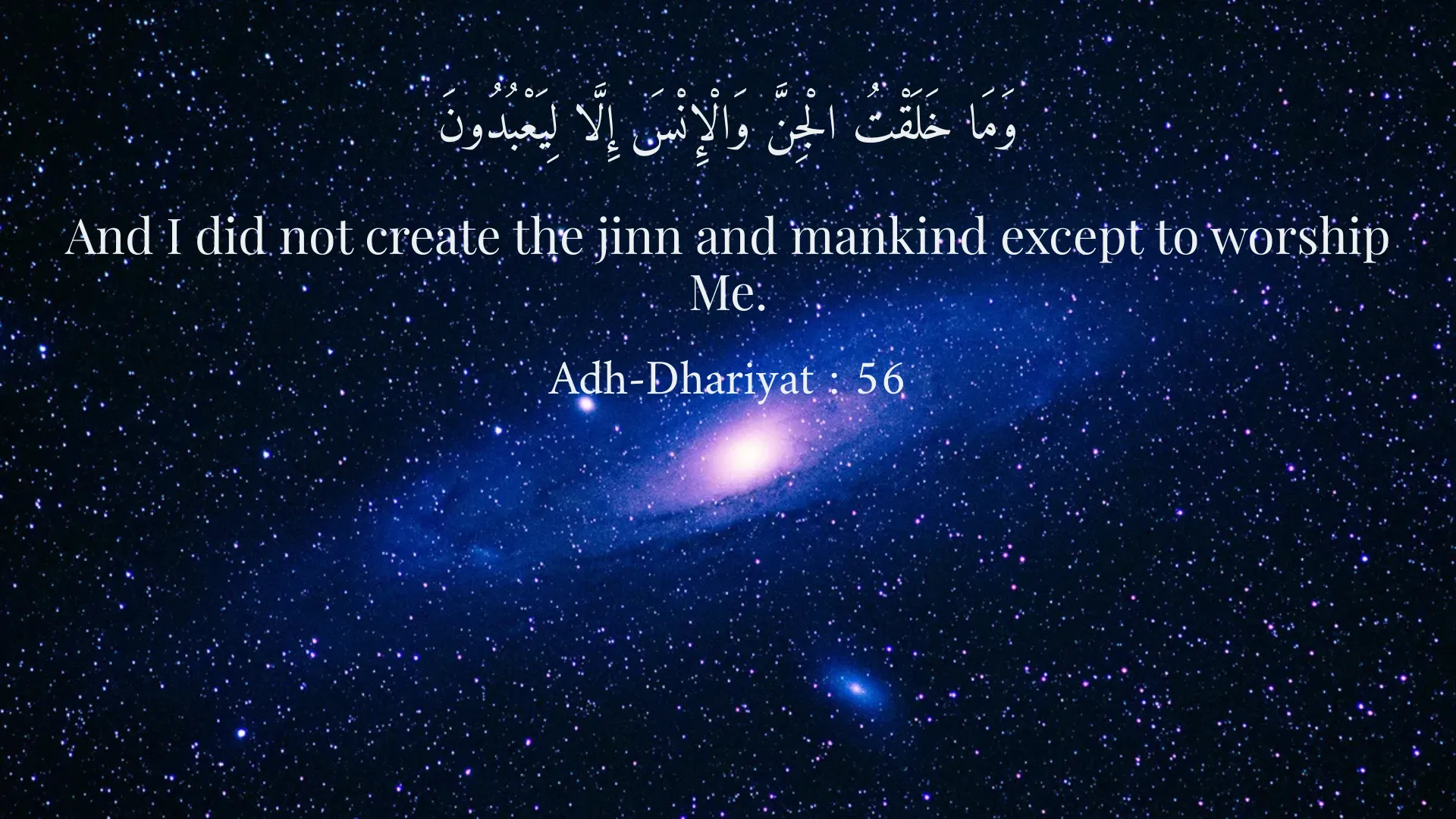
Worship in Islam is not merely a set of rituals, but it embodies the essence of a Muslim's life. It serves as a reminder of the Creator's presence and the ultimate purpose of humanity's existence. With this understanding, Muslims perceive worship as an opportunity to attain spiritual elevation and a means to develop a closer relationship with Allah. This article expands on various facets of worship in Islam, detailing its significance, the different forms it takes, and how to cultivate a more profound connection with God. To understand the essence of worship in Islam, we must first turn to the foundational texts of the faith. The Holy Quran, regarded as the literal word of God, emphasizes the significance of worship in various verses. Among these, Surah Adh-Dhariyat, verse 56, states: ‘And I did not create the jinn and mankind except to worship Me.’ This verse establishes a crucial tenet of Islamic belief — that the primary purpose of human creation is to worship Allah. This worship is understood not only as performing religious duties but as acknowledging God's sovereignty, reflecting on the world He has created, and living in accordance with His teachings. The Quran serves as the most crucial source of guidance for Muslims in matters related to faith and worship. Surah Al-Baqarah, verse 2, states: ‘This is the Book about which there is no doubt, a guidance for those conscious of Allah.’ Here, the Quran is depicted as a beacon for believers, guiding them in their worship practices and everyday life. A thorough reading of the Quran, coupled with an understanding of its meanings and messages, is vital for effectively engaging in worship. The dialogues and stories contained within its verses contribute to the overall spiritual growth of its readers. Engaging with the Quran can lead to a better comprehension of one's obligations to Allah, which, in turn, facilitates the performance of worship. Worship in Islam encompasses both obligatory acts and voluntary ones. The five pillars of Islam highlight the essential required acts of worship: Shahada (the declaration of faith), Salah (prayer), Zakat (almsgiving), Sawm (fasting during Ramadan), and Hajj (the pilgrimage to Mecca). While these obligatory rituals are compulsory and form the backbone of a Muslim's faith, additional acts of worship are equally essential. These include voluntary prayers, supplications (Dua), and the remembrance of Allah (Dhikr). Not only do these additional acts enhance our worship experience, but they also provide us with ample opportunities to strengthen our relationship with God. In Surah Al-Isra, verse 79, Allah emphasizes the importance of night worship with the advice: ‘And in the night, pray with it as additional (worship) for you; perhaps your Lord will raise you to a praiseworthy station.’ Nighttime worship, such as the Tahajjud prayers, is particularly noteworthy because it signifies dedication and sacrifice. When individuals rise in the quiet of the night, distancing themselves from worldly distractions, they exhibit sincerity in seeking closeness to Allah. This peaceful time for prayer allows for reflection and connection with God that is often overlooked during the busyness of daytime routines. Timing plays a crucial role in the effectiveness of worship. Each prayer has a prescribed time, and adhering to these timings fosters discipline in a Muslim's life. For example, the five daily prayers serve not only as spiritual obligations but also as structured intervals within the day, allowing for moments of reflection and respite from the hustle of life. Allocating time for worship ultimately enhances the peace of mind and tranquility that believers derive from their faith. Moreover, every moment in life can be transformed into an opportunity for worship. Islam teaches that the remembrance of Allah (Dhikr) should be a continuous practice permeating our daily lives, regardless of circumstances. Whether at work, home, or amongst friends, individuals can remain conscious of Allah through their thoughts, intentions, and actions. Engaging in virtues, adhering to moral principles, and assisting others can all be forms of worship that reinforce one's faith and earn blessings from God. As Muslims, it is essential to cultivate a sincere intention (Niyyah) behind every action and incorporate worship into the broader spectrum of life. Worship should not be limited to formal practices but should extend to every aspect of one's daily endeavors. This mindset allows individuals to view life through a spiritual lens, leading them to treat others with kindness, uphold justice, and develop a sense of accountability and mindfulness. For many, the challenge lies in balancing worldly responsibilities with spiritual commitments. In these fast-paced times, it is crucial to prioritize spiritual health. This can be achieved by establishing routines that involve regular Quranic recitation, attending congregational prayers, and engaging in community-building activities. Establishing a supportive environment within the family and community can also encourage individuals to partake in these spiritual practices with greater zeal. In conclusion, worship in Islam is a profound journey that transcends mere rituals. It calls for the sincere intention of the believer to strive for a relationship with Allah based on love, devotion, and recognition of His greatness. By understanding the directives laid out in the Quran and actively seeking to incorporate both obligatory and voluntary acts of worship into daily life, Muslims can cultivate a fulfilling spiritual existence. Ultimately, recognizing that every moment is an opportunity for worship encourages individuals to live with mindfulness, gratitude, and purpose, fulfilling the true essence of their existence.
Related Verses
وَمَا خَلَقْتُ الْجِنَّ وَالْإِنْسَ إِلَّا لِيَعْبُدُونَ
And I did not create the jinn and mankind except to worship Me.
Adh-Dhariyat : 56
ذَٰلِكَ الْكِتَابُ لَا رَيْبَ ۛ فِيهِ ۛ هُدًى لِلْمُتَّقِينَ
This is the Book about which there is no doubt, a guidance for those conscious of Allah.
Al-Baqarah : 2
وَمِنَ اللَّيْلِ فَتَهَجَّدْ بِهِ نَافِلَةً لَّكَ عَسَى أَن يَبْعَثَكَ رَبُّكَ مَقامًا مَحْمُودًا
And in the night, pray with it as additional (worship) for you; perhaps your Lord will raise you to a praiseworthy station.
Al-Isra : 79
Short Story
Once upon a time, a man sat by the sea, deep in thought about how he could better utilize his time for more worship. At that moment, someone approached him and said, 'Why don't you stay awake at night and pray?' The man replied, 'I always think about how I can use every moment for connecting with God.' The person encouraged him to become more familiar with the recitation of the Quran and remembrance of Allah. From that day on, the man tried to dedicate more time each night to worship and felt a greater sense of peace and closeness to God.