Quranic Answer
The feeling of spiritual fatigue or a decrease in spiritual eagerness is a natural phenomenon that many seekers on the path of truth may experience. In daily life, the repetition of acts of worship, worldly challenges, or getting engrossed in routine can sometimes cause the sense of freshness and depth to recede from spirituality. However, the Holy Quran, as a book of guidance and light, offers profound and practical directives for maintaining spiritual zeal and preventing weariness. The Quranic approach emphasizes not merely the performance of acts, but a deep understanding and the establishment of a heartfelt connection with God, which is the primary source of spiritual vitality. This does not mean one should abstain from religious duties, but rather approach them with greater contemplation and see them as a means for the soul's growth and flourishing. One of the main strategies to prevent spiritual fatigue is to understand the purpose and philosophy of human creation. The Quran explicitly states that the purpose of creating jinn and humankind is to worship Allah. In Surah Adh-Dhariyat, verse 56, it states: "And I did not create the jinn and mankind except to worship Me." When a person realizes that their entire existence, from breathing to the moment of death, is in alignment with servitude and connection to their Lord, they no longer view acts of worship as merely dry and spiritless obligations. Instead, they see them as precious opportunities for proximity and finding peace. This profound understanding transforms every small action – from smiling at parents to helping the needy, and from Fajr prayer to Quranic recitation – into a living, meaningful act of worship, preventing one from falling into the trap of routine and disinterest. Another key factor emphasized by the Quran is "Dhikr" or the remembrance of Allah. In Surah Ar-Ra'd, verse 28, we read: "Those who have believed and whose hearts are assured by the remembrance of Allah. Unquestionably, by the remembrance of Allah hearts are assured." This verse explicitly states that the primary source of peace and tranquility for the heart is the remembrance of Allah. The remembrance of God, not just in specific phrases and litanies, but as a constant presence in the heart throughout all moments of life, saves a person from heedlessness and monotony. When the heart is alive with the remembrance of Allah, even the repetition of acts of worship will not become tedious; for each time God's name is uttered or attention is turned to Him, a feeling of peace and connection emerges in the heart. Constant Dhikr is like water that nourishes the tree of spirituality, preventing it from becoming dry and fruitless. Furthermore, the Quran proposes the practical solution of "seeking help through patience and prayer." In Surah Al-Baqarah, verse 153, it states: "O you who have believed, seek help through patience and prayer. Indeed, Allah is with the patient." Prayer, as the pillar of faith and the believer's ascension, is a direct and powerful point of connection with Allah. This daily connection revitalizes the human soul, frees it from worldly distractions, and provides the necessary strength to continue the journey. If prayer is performed with presence of heart and contemplation of its meanings, it brings forth a new feeling and state each time, preventing it from becoming repetitive. Patience (Sabr) is also a vital element, as the spiritual path has its ups and downs. Patience helps a person to persevere during moments of weariness or lethargy, knowing that such states are transient and can be overcome with steadfastness. Another important Quranic principle that helps maintain spiritual vitality is the principle of "ease and not burdening beyond one's capacity." In Surah Al-Baqarah, verse 286, we read: "Allah does not charge a soul except [with that within] its capacity." And in verse 185 of the same Surah, it says: "Allah intends for you ease and does not intend for you hardship." These verses teach us that Islam is a religion of ease and prohibits extremism. Sometimes, individuals become exhausted and fatigued due to trying to perform beyond their capacity in acts of worship. The solution is to focus on the quality and consistency of actions rather than quantity. Performing obligatory acts of worship regularly and with quality, even if their volume is not great, is much more effective than scattered and excessive performance of supererogatory acts that lead to exhaustion and complete abandonment. This moderation and attention to one's capacity prevent spiritual burnout. Contemplation of the Quran and reflection on divine verses also play a significant role in maintaining spiritual freshness. The Quran was revealed not only for recitation but for contemplation and action. Each time a person approaches the study and contemplation of the Quranic verses with an open heart, they discover new meanings that quench their soul and fill them with motivation. This deep connection with the word of God prevents worship from becoming a dry habit devoid of meaning. Finally, variety in acts of worship and good deeds can also help prevent spiritual fatigue. Spirituality is not limited to prayer and fasting. Helping others, showing kindness to parents, refraining from sins, seeking knowledge, contemplating creation, and even honest work and effort with a divine intention, can all be manifestations of servitude. Participating in charitable and social activities with the intention of seeking proximity to Allah not only takes a person out of routine but also strengthens the feeling of usefulness and connection with the community, which in itself leads to spiritual vitality. Therefore, by taking a comprehensive view of spirituality and acting upon all its dimensions, one can have a rich and pleasant spiritual life and never become weary of this luminous path. This perspective helps a person not only to fulfill their duties but also to enjoy the path and find true peace within it.
Related Verses
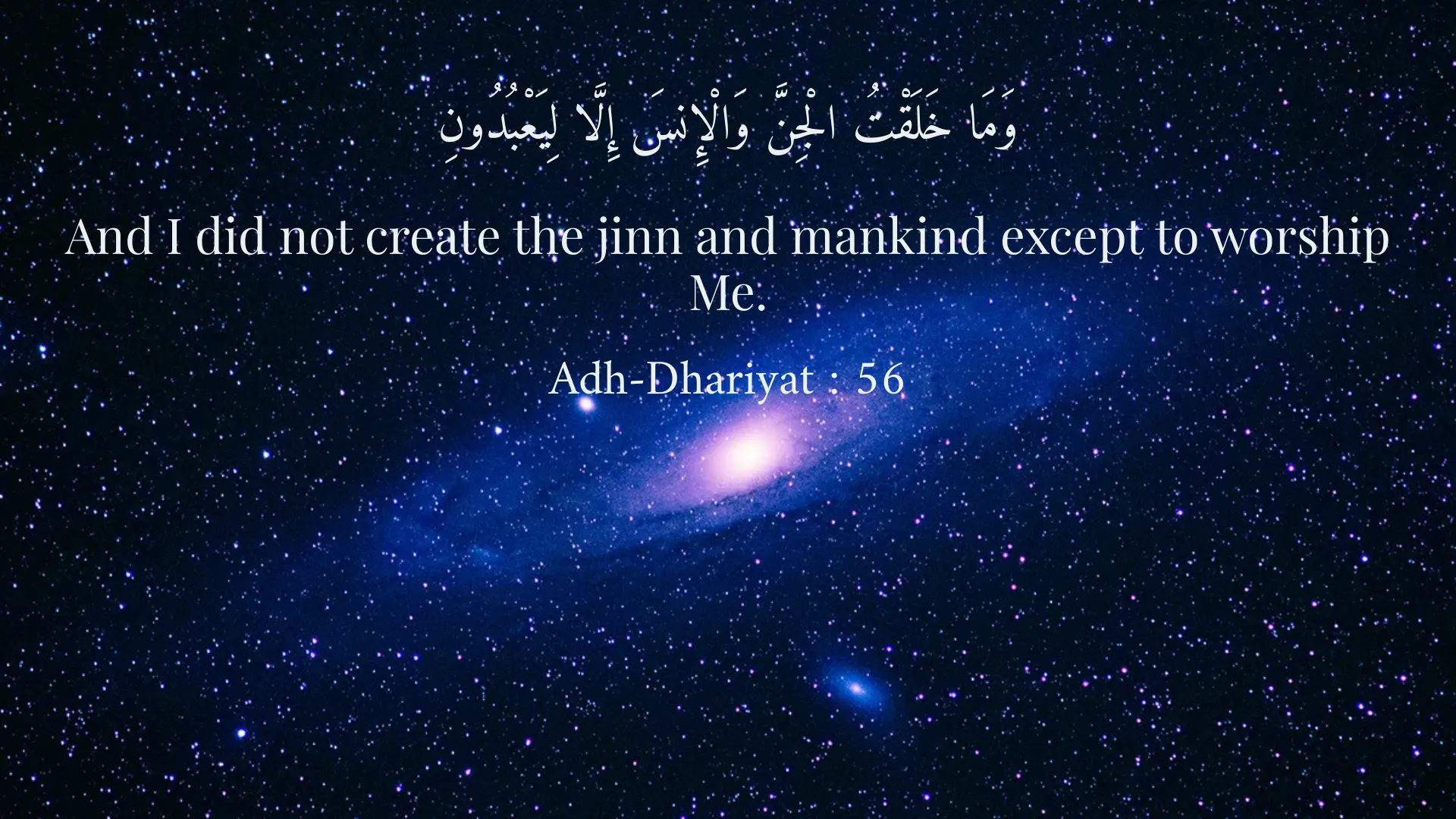
وَمَا خَلَقْتُ الْجِنَّ وَالْإِنسَ إِلَّا لِيَعْبُدُونِ
And I did not create the jinn and mankind except to worship Me.
Adh-Dhariyat : 56
الَّذِينَ آمَنُوا وَتَطْمَئِنُّ قُلُوبُهُم بِذِكْرِ اللَّهِ ۗ أَلَا بِذِكْرِ اللَّهِ تَطْمَئِنُّ الْقُلُوبُ
Those who have believed and whose hearts are assured by the remembrance of Allah. Unquestionably, by the remembrance of Allah hearts are assured.
Ar-Ra'd : 28
يَا أَيُّهَا الَّذِينَ آمَنُوا اسْتَعِينُوا بِالصَّبْرِ وَالصَّلَاةِ ۚ إِنَّ اللَّهَ مَعَ الصَّابِرِينَ
O you who have believed, seek help through patience and prayer. Indeed, Allah is with the patient.
Al-Baqarah : 153
لَا يُكَلِّفُ اللَّهُ نَفْسًا إِلَّا وُسْعَهَا ۚ لَهَا مَا كَسَبَتْ وَعَلَيْهَا مَا اكْتَسَبَتْ ۗ رَبَّنَا لَا تُؤَاخِذْنَا إِن نَّسِينَا أَوْ أَخْطَأْنَا ۚ رَبَّنَا وَلَا تَحْمِلْ عَلَيْنَا إِصْرًا كَمَا حَمَلْتَهُ عَلَى الَّذِينَ مِن قَبْلِنَا ۚ رَبَّنَا وَلَا تُحَمِّلْنَا مَا لَا طَاقَةَ لَنَا بِهِ ۖ وَاعْفُ عَنَّا وَاغْفِرْ لَنَا وَارْحَمْنَا ۚ أَنتَ مَوْلَانَا فَانصُرْنَا عَلَى الْقَوْمِ الْكَافِرِينَ
Allah does not charge a soul except [with that within] its capacity. It will have [the consequence of] what it has gained, and it will bear [the consequence of] what it has earned. Our Lord, do not impose blame upon us if we have forgotten or erred. Our Lord, and lay not upon us a burden like that which You laid upon those before us. Our Lord, and burden us not with that which we have no ability to bear. And pardon us; and forgive us; and have mercy upon us. You are our protector, so give us victory over the disbelieving people.
Al-Baqarah : 286
Short Story
It is narrated that in a distant land, there lived a devout worshiper who had been engaged in devotion for many years, yet at times, a feeling of tedium would settle in his heart due to the repetition. One day, he passed by a clear spring and observed droplets of water continuously falling onto a hard stone, gradually piercing it over time. The worshiper pondered to himself, "How has this hard stone been pierced by lifeless drops?" At that moment, a wise old man passed by him. The worshiper asked, "O Sheikh, enlighten me about this secret." The elder replied, "My son, the secret lies in consistency, not in intensity. These drops have neither great power nor swift movement, but because they fall continuously and with hope, they eventually reach their goal. Worship is likewise; though it may sometimes seem repetitive, its continuity and presence of heart polish the soul and open a path towards light." From then on, the worshiper engaged in his devotions with greater understanding and presence of heart, and he never again felt weary of spirituality.