Quranic Answer
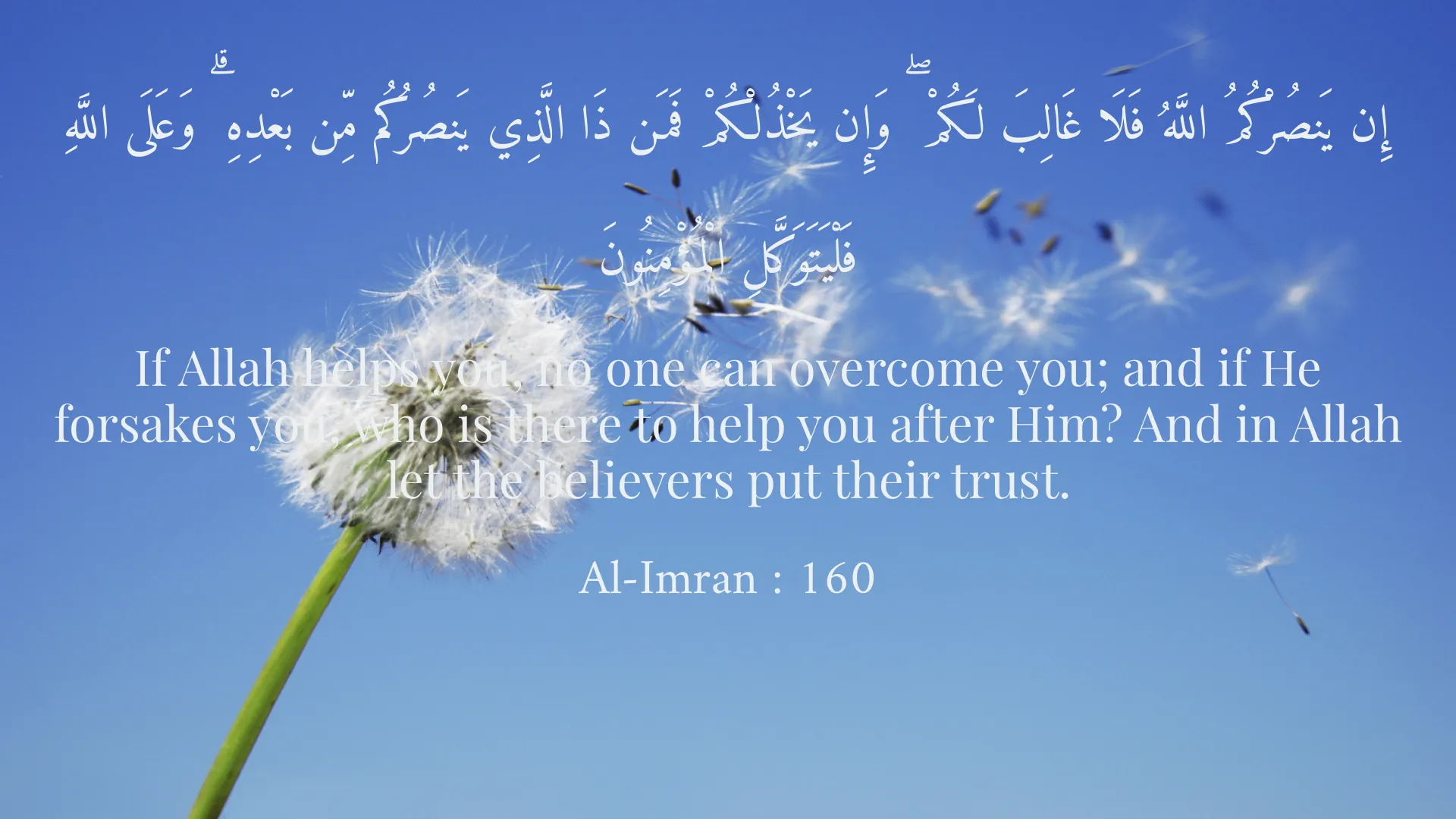
Achieving balance between self-confidence and humility is one of the most delicate and profound spiritual and personal challenges that individuals face on their path to growth and excellence. These two attributes might initially appear contradictory, but in reality, they are complementary, and the Holy Quran beautifully illuminates the path to this balance for us. From a Quranic perspective, true self-confidence does not stem from self-aggrandizement but rather from a deep faith in God and reliance on His infinite power. When a person understands that their abilities and everything they possess are a gift from the Almighty, and they rely on Him at every step of life, an enduring and unyielding self-confidence takes root within them. This confidence enables them to stand firm against challenges, defend the truth, and advance towards divine goals without allowing fear or doubt to enter their hearts. The Quran repeatedly emphasizes the importance of reliance on Allah (Tawakkul), which is the essence of a believer's self-confidence. For instance, in Surah Al-Imran, verse 160, we read: "If Allah helps you, no one can overcome you; and if He forsakes you, who is there to help you after Him? And in Allah let the believers put their trust." This verse clearly indicates that the ultimate source of power and confidence is Allah alone. This type of self-confidence never leads to arrogance or pride, as the individual constantly remembers that all their capabilities are from God, and they are powerless before Him. This is where the role of humility becomes evident. Humility, in the Quranic view, does not mean disregarding one's abilities or feeling inferior; rather, it means recognizing one's true place before the grandeur of God, as well as showing respect and gentleness towards other human beings. A humble person does not see themselves as superior to others and refrains from belittling or mocking them. They know that every human being, regardless of social status, wealth, or knowledge, possesses divine dignity and should be treated with respect. The Holy Quran strongly forbids arrogance and self-conceit. In Surah Luqman, verse 18, Allah says: "And do not turn your cheek [in contempt] toward people and do not walk through the earth exultantly. Indeed, Allah does not like everyone self-deluded and boastful." This verse offers very clear guidance for achieving humility. Furthermore, in Surah Al-Furqan, verse 63, it describes the attributes of "the servants of the Most Merciful" as follows: "And the servants of the Most Merciful are those who walk upon the earth easily, and when the ignorant address them [harshly], they say [only] 'Peace.'" These verses unequivocally emphasize the importance of humility, avoidance of arrogance, and peaceful interaction with others. Humility allows a person to benefit from the virtues of others, gain people's respect and affection, and smooth their path to progress. A humble person shares their knowledge, learns from their mistakes, and constantly strives for perfection. So, how can these two seemingly opposite attributes be combined? The key lies in understanding the source of each. True self-confidence, as mentioned, arises from reliance on God and an awareness of one's position as God's vicegerent on Earth—a position that entails responsibility and striving for truth. This confidence is not narcissism but a monotheistic self-assurance. On the other hand, humility stems from recognizing God's majesty and one's own smallness before Him, as well as understanding the equality of human beings in the sight of Allah. Therefore, balance is achieved when one exercises utmost humility when facing God, while at the same time employing the highest degree of self-confidence and resolve in fulfilling their duties and divine mission. In interactions with others, one should behave with humility and respect, but in speaking the truth and defending the oppressed, one should be firm and self-confident. This balance helps individuals gain popularity and respect while remaining powerful and impactful, safeguarding them from the harms of pride and conceit. Ultimately, both self-confidence and humility are tools for achieving proximity to God and building a healthy, vibrant society. Self-confidence empowers us to act, and humility reminds us how and for whom to act.
Related Verses
إِن يَنصُرْكُمُ اللَّهُ فَلَا غَالِبَ لَكُمْ ۖ وَإِن يَخْذُلْكُمْ فَمَن ذَا الَّذِي يَنصُرُكُم مِّن بَعْدِهِ ۗ وَعَلَى اللَّهِ فَلْيَتَوَكَّلِ الْمُؤْمِنُونَ
If Allah helps you, no one can overcome you; and if He forsakes you, who is there to help you after Him? And in Allah let the believers put their trust.
Al-Imran : 160
وَلَا تُصَعِّرْ خَدَّكَ لِلنَّاسِ وَلَا تَمْشِ فِي الْأَرْضِ مَرَحًا ۖ إِنَّ اللَّهَ لَا يُحِبُّ كُلَّ مُخْتَالٍ فَخُورٍ
And do not turn your cheek [in contempt] toward people and do not walk through the earth exultantly. Indeed, Allah does not like everyone self-deluded and boastful.
Luqman : 18
وَعِبَادُ الرَّحْمَٰنِ الَّذِينَ يَمْشُونَ عَلَى الْأَرْضِ هَوْنًا وَإِذَا خَاطَبَهُمُ الْجَاهِلُونَ قَالُوا سَلَامًا
And the servants of the Most Merciful are those who walk upon the earth easily, and when the ignorant address them [harshly], they say [only] 'Peace.'
Al-Furqan : 63
Short Story
In Saadi's Gulistan, it is told that there was a powerful and honorable king whom everyone respected, yet he never departed from the bounds of humility. One day, he asked his vizier, "How is it that with all this power and grandeur, I still hold a place in people's hearts and no one turns away from me?" The vizier replied, "O King! You derive your honor from Almighty God and your power from relying on Him. That is why you are decisive and fearless in your endeavors. But because you know that all of this is from His grace, and you see yourself as a mere speck before His greatness, you practice humility and, when dealing with people, you are open-faced and do not consider yourself superior to anyone. This is the balance between true self-confidence and genuine humility that draws hearts to you and sustains your power. So, O King, always remember that the source of power and honor is the One Being, and humility towards creation is a sign of your gratitude for this gift."