Quranic Answer
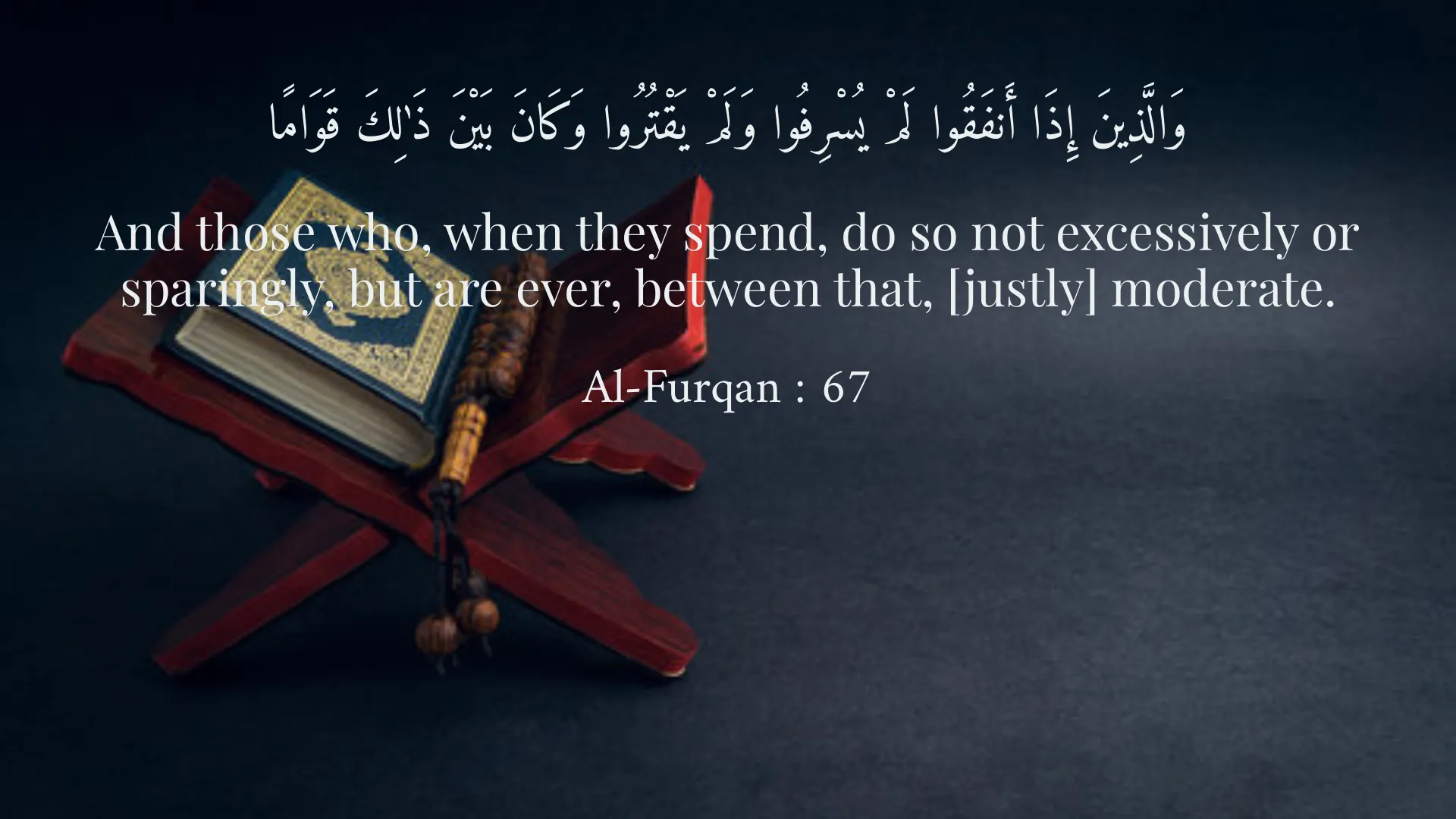
The Holy Quran, revered as the final divine revelation in Islam, serves as a comprehensive guide for human conduct and morality. Among the many themes it addresses, the significance of kindness—especially towards those who may not reciprocate—is a recurring motif. This article delves into the centrality of kindness in the Quran, emphasizing its essence and providing reflections on how it can transform lives, establish harmony, and uplift community interactions. The Divine Command for Kindness In various verses, Allah underscores the importance of being kind and compassionate, even towards those who are ungrateful or wronged. For instance, Surah Al-Furqan (25:67) highlights the characteristics of true believers who maintain a balance when spending, asserting that they neither squander nor hoard. This verse implies a moderate approach to human interactions, suggesting that believers should act kindly, regardless of whether the recipients of their kindness are worthy or not. The concept of moderation is critical here. It allows individuals to engage with others in a way that is compassionate and empathetic, while also avoiding the extremes of excessive generosity that could lead to wastefulness or the stinginess that might prevent acts of kindness altogether. By advocating for this balanced approach, the Quran encourages believers to remain steadfast in their principles of kindness, irrespective of external circumstances. Managing Anger with Grace Another profound injunction can be found in Surah Al-Imran (3:134), where Allah instructs the believers to control their anger and forgive those who seek forgiveness. This directive not only advocates for personal restraint but also highlights the power of forgiveness. In circumstances where individuals face ingratitude or disrespect from others, the verse reassures that the moral high ground lies in forgiveness—not in retribution. The practice of forgiving others is crucial for personal and communal peace. It allows individuals to move beyond hurt and resentment, fostering an environment where mercy and compassion thrive. Forgiveness has psychological benefits as well, as it releases the burden of negativity that can weigh heavily on one’s spirit. Thus, the Quran effectively posits that kindness, linked with forgiveness, can create and sustain healthier relationships. Responding to Bad with Good The Quran’s teachings on kindness do not culminate merely in forgiveness but extend into proactive measures of addressing wrongdoing with kindness. Surah Fussilat (41:34) succinctly expresses this principle: “Respond to evil with that which is better.” This encourages believers to combat negativity with positive actions rather than descending into a cycle of retaliation and hostility. This verse serves as a guideline, urging individuals to consciously choose kindness even when faced with adversarial behavior. The act of returning evil with goodness can break the cycle of animosity and promote reconciliation. Hence, instead of feeling compelled to retaliate against those who have wronged us, there is a divine encouragement to counteract harmful behaviors with exemplary conduct. The Ripple Effect of Kindness The collective message conveyed through these verses illustrates that practicing kindness can have far-reaching effects beyond the immediate relationship. Kindness acts as a catalyst for a larger ripple effect in society. When one person embodies kindness, it can inspire others to do the same, ultimately creating a more positive and productive social fabric. Communities that value kindness and forgiveness tend to be more cohesive, fostering trust and cooperation among members. In workplaces or among peers, individuals who model such attitudes contribute to a collaborative spirit, ultimately increasing morale and enhancing overall well-being. Overcoming Negativity with Positive Intent Facing ungratefulness or negativity can easily lead to frustration and hopelessness in interactions. However, the Quran teaches that we should see these moments as opportunities to practice the virtues of kindness and patience. It reminds us that our character is reflected not only in how we treat those we love but also in how we respond to those who challenge us. In practical terms, this might involve understanding that those who act with ingratitude often do so out of their struggles, insecurities, or hardships, and thus, kindness becomes a powerful tool for healing. This consideration allows us to foster an environment where dialogue can flourish, and relationships can be mended through the power of compassion. The Divine Example of Kindness Allah’s own attributes include mercy and compassion, and the Quran reinforces that humans should aspire to emulate these qualities. The prophetic traditions reiterate this divine command, depicting the Prophet Muhammad (peace be upon him) as a paragon of kindness and mercy. His life serves as a testament to treating even the detractors with dignity and respect. For instance, instead of confronting hostility with aggression, he often responded with compassion and care, exemplifying the Quranic ethos of kindness in real-time. Conclusion: Embracing Kindness as a Way of Life In conclusion, the Quran’s guidance on kindness is profound and holistic, offering a pathway for personal growth and societal harmony. By practicing kindness, controlling our emotions, and embracing forgiveness, we can profoundly impact those around us. The teachings stress not only the act of kindness itself but the motivations behind it—fostering environments that enable constructive and compassionate interactions. Ultimately, integrating these principles into our daily lives can transform our communities into spaces filled with love, understanding, and mutual respect. The Quran provides us with timeless wisdom on navigating the complexities of human relationships, encouraging us to be kind even in the face of ungratefulness. In doing so, we do not only uplift ourselves but contribute to the creation of a more compassionate and just society.
Related Verses
وَالَّذِينَ إِذَا أَنفَقُوا لَمْ يُسْرِفُوا وَلَمْ يَقْتُرُوا وَكَانَ بَيْنَ ذَٰلِكَ قَوَامًا
And those who, when they spend, do so not excessively or sparingly, but are ever, between that, [justly] moderate.
Al-Furqan : 67
وَالَّذِينَ يُنفِقُونَ فِي السَّرَّاءِ وَالضَّرَّاءِ وَالَّذِينَ كَاظِمِينَ الْغَيْظَ وَالَّذِينَ عَفُوا عَنِ النَّاسِ ۗ وَاللَّهُ يُحِبُّ الْمُحْسِنِينَ
And those who spend in the cause of Allah in times of ease and hardship and who restrain anger and who pardon the people - and Allah loves the doers of good.
Aali Imran : 134
وَلاَ تَسْتَوِي الْحَسَنَةُ وَالسَّيِّئَةُ ۚ ادْفَعْ بِالَّتِي هِيَ أَحْسَنُ ۖ فَإِذا الَّذِي بَيْنَكَ وَبَيْنَهُ عَدَاوَةٌ كَأَنَّهُ وَلِيٌّ حَمِيمٌ
And not equal are the good deed and the bad. Repel by that which is best; then indeed, the one between whom and you is enmity will be as though he was a devoted friend.
Fussilat : 34
Short Story
Once upon a time in a distant land, there was a man named Hasan who often encountered ungrateful people. He always tried to treat them with kindness and compassion, even when they ignored him. Hasan realized that by being good, he not only brought happiness to others but also to himself. He sought to bridge hearts with messages of love and forgiveness. Hasan's story became a proverb of kindness in his town, and people remembered him as a paragon of virtue.