Quranic Answer
Dealing with injustice in the workplace can be an incredibly challenging and draining experience, impacting not only one's morale and mental health but also their job performance and overall quality of life. While the glorious Quran does not directly address "workplace injustice" using modern terminology, it provides comprehensive and timeless principles and guidelines that can illuminate the path for believers facing any form of oppression or injustice, including within their professional environments. These principles are centered around reliance on God (Tawakkul), patience (Sabr), steadfastness in upholding truth, and seeking just solutions. The first and most crucial principle emphasized by the Quran in the face of difficulties and injustices is "patience" and "seeking help from Allah." In Surah Al-Baqarah, verse 153, Almighty Allah states: "O you who have believed, seek help through patience and prayer. Indeed, Allah is with the patient." This verse teaches us not to rush when confronted with injustices, but to equip ourselves with forbearance. Patience does not imply passivity or surrender; rather, it signifies steadfastness, inner resilience, and maintaining hope and inner peace. Patience empowers an individual to assess situations with greater clarity, unclouded by overwhelming emotions, enabling them to find the best solutions and avoid hasty reactions that might worsen the situation. Accompanying patience is prayer and remembrance of Allah, which serve as primary sources of spiritual calm and strength. Connecting with the Creator assures a person that they are never alone under any circumstances, and Allah is always the Helper of truth. The second key principle is "standing for justice" and bearing witness to the truth. The Holy Quran repeatedly stresses the importance of establishing justice and not tolerating oppression. In Surah An-Nisa, verse 135, it says: "O you who have believed, be persistently [upright] in justice, witnesses for Allah, even if it be against yourselves or parents and relatives." This verse indicates that believers must actively strive to establish justice and not remain silent in the face of wrongdoing. In the workplace, this could mean documenting instances of injustice, communicating respectfully with the responsible individual or department (such as Human Resources), and pursuing legal avenues if necessary, all while maintaining good conduct and avoiding defamation or false accusations. The objective should be to rectify the situation and restore rights, not merely to seek revenge or destroy relationships. A third Quranic recommendation is "reliance on Allah" (Tawakkul) and trust in His divine planning. After fulfilling one's duty and striving for justice, the outcome should be entrusted to Allah. The Almighty emphasizes reliance in numerous verses, stating: "And whoever relies upon Allah – He is sufficient for him." (Surah At-Talaq, verse 3). This reliance grants the individual peace of mind, knowing that even if human solutions fail, Allah Himself is the Best Disposer of affairs, and no injustice will go unpunished. This does not mean abandoning efforts but rather releasing excessive anxiety and worry about the outcome. In facing injustice, maintaining "good character" and "human dignity" is also paramount. The Quran teaches us to respond to evil with goodness, hoping to soften hearts. In Surah Fussilat, verse 34, we read: "And not equal are the good deed and the bad. Repel [evil] by that which is better; then verily he, between whom and you was enmity, (will become) as though he was a close friend." This approach is not a sign of weakness but rather an indication of inner strength and self-control. Sometimes, maintaining professional and ethical conduct in an environment rife with injustice can have a profound impact on those around, even prompting the oppressor to reflect. This act not only helps preserve your inner peace but also earns you greater credibility in the eyes of others. Finally, if the workplace environment becomes so toxic and unbearable that remaining in it causes serious harm to one's faith, mental health, or dignity, Islamic teachings permit an individual to seek change and "migration" (Hijrah). Of course, this is the last resort, only after all efforts to rectify the situation have been exhausted. Just as divine prophets chose to migrate in the face of oppression and the impossibility of change, so too can a believer. Allah is the Provider, and lawful avenues for earning a livelihood are abundant. One should not trap themselves in the confines of an oppressive situation, especially if it compromises their faith and ethics. In such circumstances, praying for an opening and seeking better opportunities is entirely consistent with the spirit of Quranic teachings. In summary, dealing with injustice in the workplace from a Quranic perspective requires a combination of active patience, striving to establish justice with wisdom and etiquette, reliance on Allah, maintaining good character, and ultimately, readiness for change or migration if necessary. This approach not only helps the individual defend their rights but also safeguards their peace and mental well-being under divine care. Let us remember that Allah is the Observer and the ultimate Judge of all matters, and no injustice will remain hidden from His sight. This awareness itself is a great source of hope and strength for enduring and confronting adversities.
Related Verses
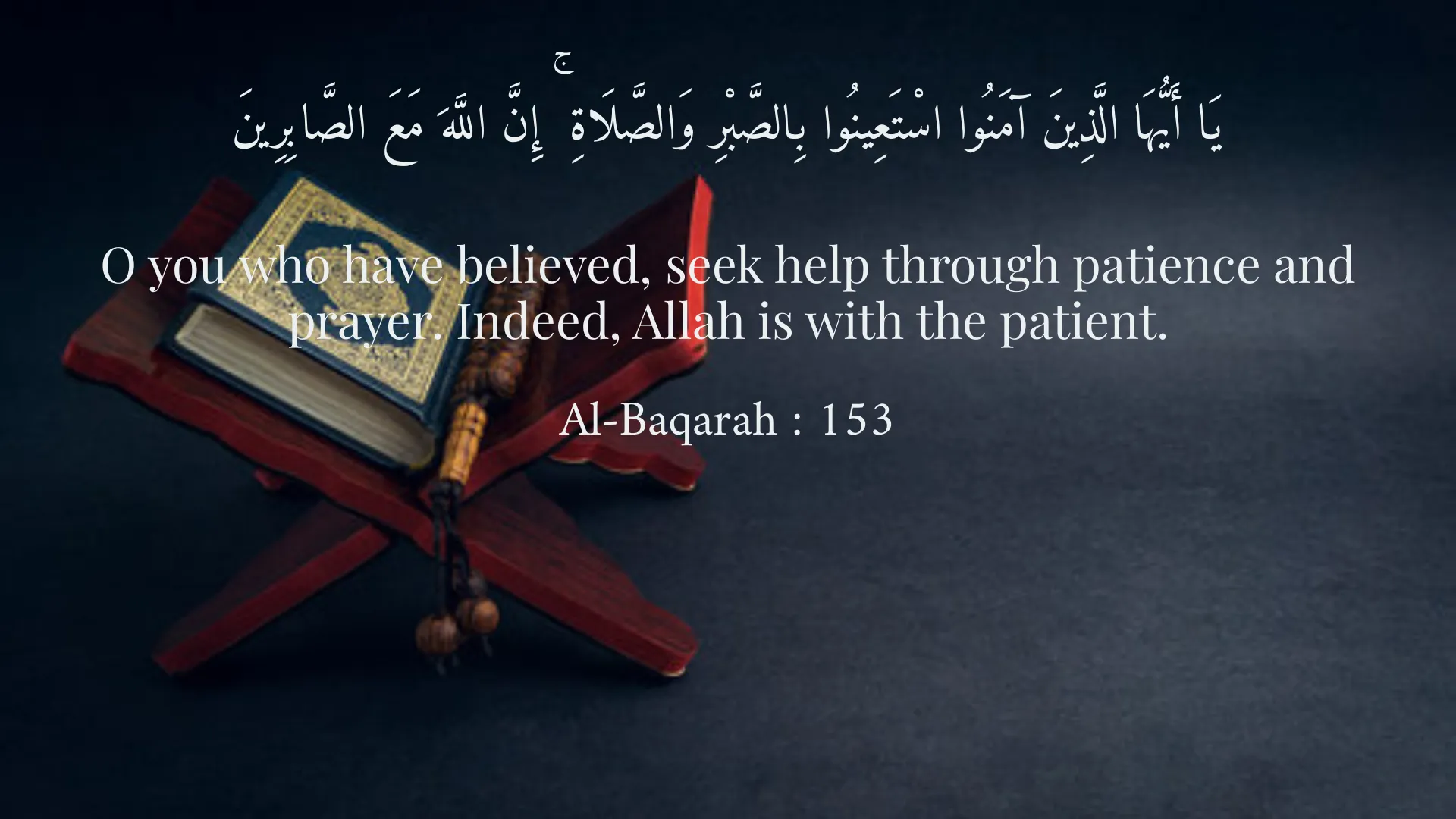
يَا أَيُّهَا الَّذِينَ آمَنُوا اسْتَعِينُوا بِالصَّبْرِ وَالصَّلَاةِ ۚ إِنَّ اللَّهَ مَعَ الصَّابِرِينَ
O you who have believed, seek help through patience and prayer. Indeed, Allah is with the patient.
Al-Baqarah : 153
يَا أَيُّهَا الَّذِينَ آمَنُوا كُونُوا قَوَّامِينَ بِالْقِسْطِ شُهَدَاءَ لِلَّهِ وَلَوْ عَلَى أَنفُسِكُمْ أَوِ الْوَالِدَيْنِ وَالْأَقْرَبِينَ
O you who have believed, be persistently [upright] in justice, witnesses for Allah, even if it be against yourselves or parents and relatives.
An-Nisa : 135
وَمَن يَتَوَكَّلْ عَلَى اللَّهِ فَهُوَ حَسْبُهُ ۚ إِنَّ اللَّهَ بَالِغُ أَمْرِهِ ۚ قَدْ جَعَلَ اللَّهُ لِكُلِّ شَيْءٍ قَدْرًا
And whoever relies upon Allah – He is sufficient for him. Indeed, Allah will accomplish His purpose. Allah has already set for everything a [decreed] extent.
At-Talaq : 3
وَلَا تَسْتَوِی الْحَسَنَةُ وَلَا السَّیِّئَةُ ۚ ادْفَعْ بِالَّتِی هِیَ أَحْسَنُ فَإِذَا الَّذِی بَیْنَکَ وَبَیْنَهُ عَدَاوَةٌ کَأَنَّهُ وَلِیٌّ حَمِیمٌ
And not equal are the good deed and the bad. Repel [evil] by that which is better; then verily he, between whom and you was enmity, (will become) as though he was a close friend.
Fussilat : 34
Short Story
In times of old, a young man named Faridun sat before a wise elder, complaining of the injustice and ill-treatment from his superior at work. The wise elder, with a gentle smile, said: "My son, I have heard from Saadi that he said: 'If you deal unjustly with beggars, the beggar may be hungry, but if you oppress the heart of a truly soulful person, that wound will remain until the Day of Judgment.' Know that every oppression has an end, and every oppressor has a recompense. Therefore, remain steadfast in your good character and perseverance. As the dark night passes, the bright day will arrive, and truth will be revealed. He who places his trust in God shall never be alone, and divine justice, sooner or later, will manifest itself." Faridun found peace in these words and resolved to continue his path with patience and tolerance, while still pursuing his rights. Not long after, times changed, and the tyrannical superior received his just deserts, while Faridun remained in his position with a good reputation and peace of mind.