Quranic Answer
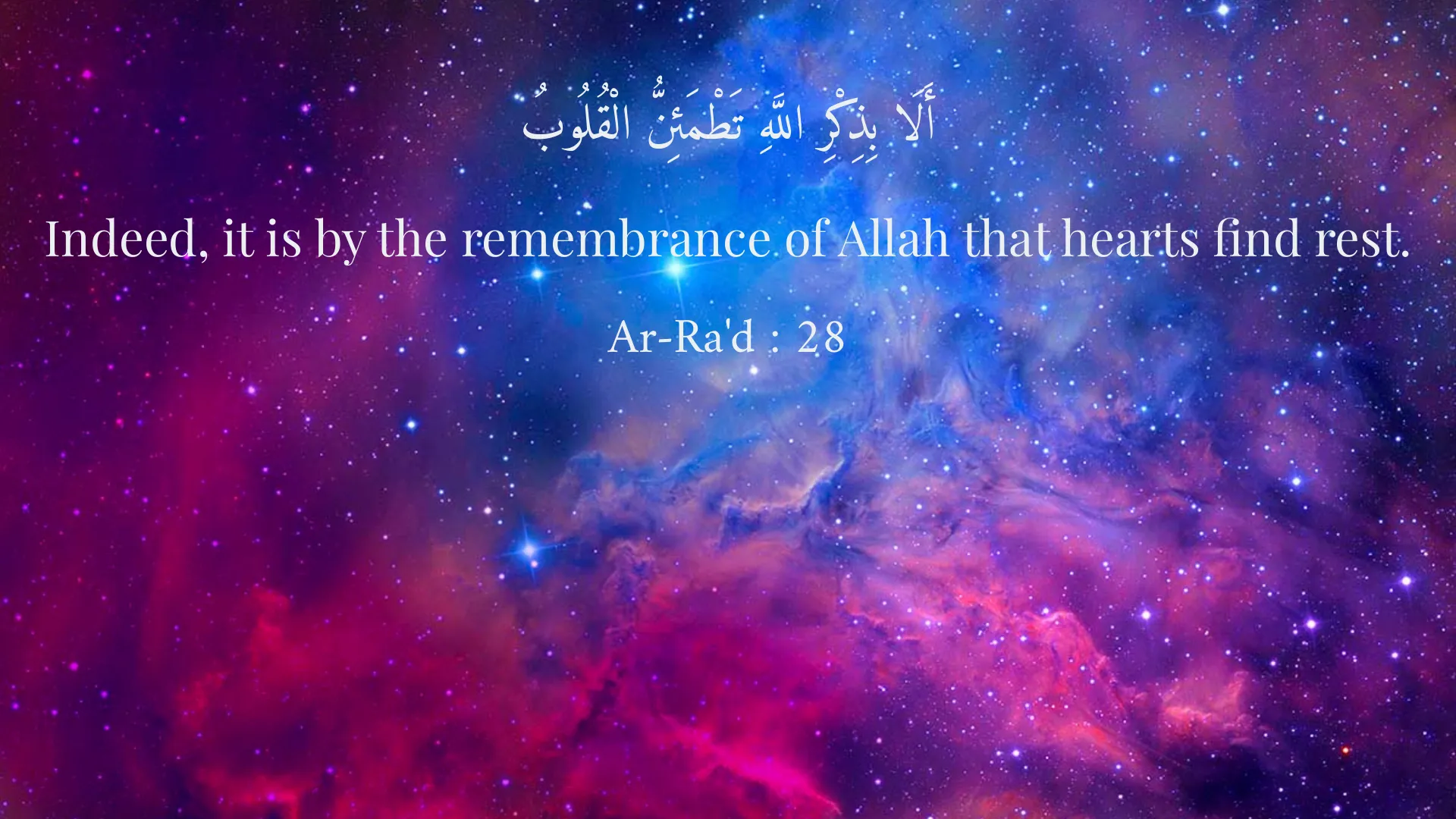
Unhealthy emotional dependency is a pervasive and challenging issue in human relationships, characterized by an excessive and often misguided reliance on others to fulfill one’s emotional needs and overall happiness. This form of dependency can manifest in numerous ways, ultimately leading individuals to seek validation, security, and solace from external sources, rather than cultivating an inner sense of peace, self-worth, and emotional balance. In this article, we will explore the nature of unhealthy emotional dependency, its impact on relationships, and the Islamic teachings from the Quran that can provide guidance and support in overcoming this challenge. Understanding Unhealthy Emotional Dependency Emotional dependency is not merely about requiring support from loved ones; it transcends to an overwhelming need for others to complete us. Individuals caught in the grips of unhealthy emotional dependency often find themselves feeling incomplete or unsatisfied without the constant presence or approval of others. Feelings of inadequacy and anxiety can permeate their lives, making it difficult for them to cultivate a sense of inner security. As people become increasingly dependent on external validation for their self-esteem, they may also develop a fear of abandonment and a heightened sensitivity to criticism. This can lead to a cycle of behaviors characterized by clinginess, jealousy, and an overwhelming fear of being alone, which ultimately strains relationships and leads to personal distress. The relational dynamics can become imbalanced, as one person may feel overwhelmed by the needs of the other while simultaneously feeling guilty for not being able to satisfy them fully. Teaching from the Quran: The Path to Emotional Independence The Quran offers profound insights and teachings that can aid individuals grappling with emotional dependency. One of the fundamental teachings is the recognition that true peace and security can only be found through a connection with Allah (God). In Surah Ar-Ra'd, verse 28, it states, 'Indeed, it is by the remembrance of Allah that hearts find rest.' This scripture emphasizes the importance of turning one’s heart towards Allah, who is the ultimate source of tranquility and comfort. This act of remembering Allah—through prayer, reflection, and supplication—serves to redirect one’s focus from the ephemeral satisfaction derived from others to the enduring connection with the Divine. By strengthening this spiritual bond, individuals can foster emotional independence, recognizing that their worth and fulfillment are not contingent upon the opinions or actions of others. Instead, they can ground their identity and self-esteem in their intrinsic value as beings created by Allah. The Role of Prayer and Supplication Turning towards Allah for assistance is a crucial aspect of overcoming emotional dependency. In Surah Al-An'am, verse 17, the verse states, 'And if Allah touches you with adversity, none can remove it except Him.' This reminder that Allah is the ultimate alleviator of suffering places the focus of their emotional resilience on the Divine, rather than on transient human relationships. Through prayer and supplication, individuals can express their fears, anxieties, and desires to Allah, fostering a sense of trust and surrender. This practice empowers individuals to confront their emotional challenges with the knowledge that they are not alone in their struggles; Allah is always present to guide and support them. Cultivating Healthy Connections Achieving emotional independence does not imply negating the importance of relationships. Instead, it's about fostering connections that uplift and empower rather than drain and entrap. True emotional freedom lies in establishing healthy, constructive relationships with friends, family, and loved ones. As we sift through our social networks, it is essential to surround ourselves with people who provide positive energy, encouragement, and support in our personal growth. Islamic teachings and the lives of the Imams emphasize that we should seek companionship with those who not only enrich our lives but also inspire us to become the best versions of ourselves. An essential factor in maintaining these positive connections is the mutual recognition of each other’s boundaries and the understanding that emotional support should not become a dependency. Healthy relationships are characterized by interdependence—where both individuals support each other while maintaining their own individuality and strength. Releasing Unpleasant Feelings The journey towards emotional independence also entails the conscious effort to release oneself from unpleasant feelings and unhealthy attachments. It is crucial to recognize that feelings of anxiety, fear, and inadequacy are often exacerbated by a person’s emotional dependence on others. In Islamic teachings, there is an emphasis on self-reflection and self-awareness, which are vital in addressing these negative emotions. By taking the time to understand and confront one’s feelings, individuals can identify the root causes of their emotional dependency and work through them. This may involve journaling, seeking guidance from family or trusted individuals, or engaging in professional counseling. The ultimate goal is to develop a healthy relationship with oneself, wherein the person recognizes their worth, accepts their flaws, and embraces their individuality. Conclusion Unhealthy emotional dependency is a significant issue that can hinder personal growth and strain meaningful relationships. However, the Quran offers a wealth of guidance for overcoming this challenge. By grounding our sense of self in our relationship with Allah, embracing prayer and supplication, cultivating positive relationships, and releasing unhealthy attachments, we can work towards achieving emotional independence. Ultimately, true emotional freedom lies in the ability to find peace and security within oneself, nurturing a connection with loved ones based on mutual respect and encouragement, and relying on Allah as the source of all comfort and strength. By following these teachings, individuals can navigate the complexities of human relationships with grace, compassion, and a strong sense of self.
Related Verses
أَلَا بِذِكْرِ اللَّهِ تَطْمَئِنُّ الْقُلُوبُ
Indeed, it is by the remembrance of Allah that hearts find rest.
Ar-Ra'd : 28
وَإِن يَمْسَسْكَ اللَّهُ بِضُرٍّ فَلَا كَاشِفَ لَهُ إِلَّا هُوَ...
And if Allah touches you with adversity, none can remove it except Him...
Al-An'am : 17
Short Story
One day, a man was contemplating his feelings. He realized that his dependence on others was causing him distress. So he decided to remember Allah and strive to control his emotions. Through prayer and supplication, he tasted the true essence of emotional freedom and learned to act better in his relationships with others.