Quranic Answer
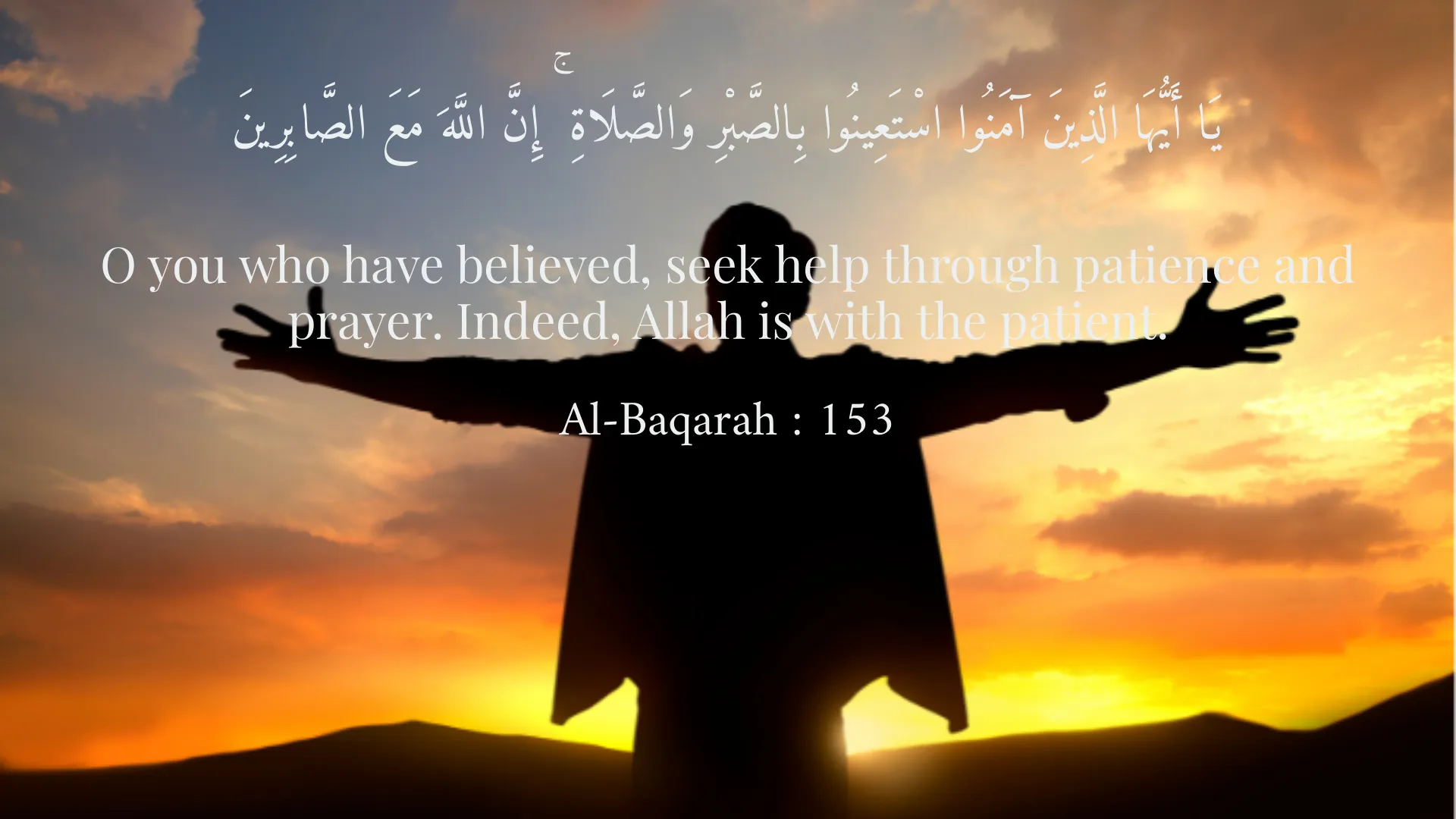
Dear friend, feeling like a victim is a heavy and exhausting experience that can wear down one's soul and mind. This feeling is often accompanied by hopelessness, powerlessness, and the belief that control over one's life has been lost. In such circumstances, an individual might perceive themselves as helpless and powerless in the face of challenges and difficulties, believing that fate is dragging them in an undesired direction. However, if we look at this issue from a Quranic perspective, we find that the teachings of Islam are rich with concepts of empowerment, hope, and personal responsibility, which stand in direct opposition to the feeling of victimhood. The Holy Quran introduces humans as beings of dignity and free will, who, under any circumstances, possess the ability to choose and influence their destiny, albeit with reliance on and seeking help from Almighty God. Never in the Quran is there an invitation to despair and absolute surrender to problems; instead, it consistently emphasizes patience, gratitude, effort, and reliance on God. The first Quranic step to liberate oneself from feeling like a victim is 'Sabr' (patience). Patience in the Quran is not merely passive endurance but active steadfastness, perseverance on the path of truth, and maintaining composure in the face of adversity. In Surah Al-Baqarah, verse 153, Allah states: "O you who have believed, seek help through patience and prayer. Indeed, Allah is with the patient." This verse teaches us that patience and prayer are two powerful tools for overcoming hardships. Patience helps us change our perspective; instead of seeing ourselves as victims of circumstances, we view them as opportunities for growth and testing our faith. Prayer, too, is a direct connection with the Creator, reviving peace, inner strength, and a sense of divine support within us. When a person is armed with these tools, the feeling of helplessness and powerlessness gives way to empowerment and hope. This active form of patience means enduring with foresight, planning, and continuous effort, not simply waiting for things to change on their own. It cultivates resilience and a proactive mindset, essential for breaking free from the victim mentality. The second important principle is 'Tawakkul' (trust in Allah). Tawakkul does not mean abdicating one's responsibility or being inactive; rather, it means exerting all possible effort and striving, and then entrusting the outcome to divine will. In Surah At-Talaq, verse 3, it is stated: "And whoever relies upon Allah – He is sufficient for him. Indeed, Allah will accomplish His purpose. Allah has already set for everything a [decreed] extent." This verse assures us that with sincere trust, Allah will be our supporter. The feeling of victimhood often stems from fear of the future, fear of failure, and a sense of lack of control over events. Tawakkul eliminates these fears; for one knows that they have done their utmost and have entrusted the outcome to a higher power that desires the best for them. This outlook allows an individual to continue their efforts with hope and peace, instead of drowning in negative thoughts. It transforms fear into reliance and anxiety into inner calm, providing a solid foundation for overcoming challenges. The third Quranic teaching emphasizes 'change from within' and personal responsibility. The Quran repeatedly indicates that human destiny is largely in one's own hands. In Surah Ar-Ra’d, verse 11, we read: "...Indeed, Allah will not change the condition of a people until they change what is in themselves..." This verse carries a powerful anti-victimhood message. Instead of blaming problems on luck, fate, or others, the Quran invites us to look inward and see what we can change: our attitude, our actions, or our reactions. This verse reminds us that the power of transformation begins within us. When we accept responsibility for our choices and reactions, we move out of the powerless circle of victimhood and enter the circle of power and agency. This internal change, even if external circumstances are unfavorable, enables us to find a way to overcome or improve, rather than being overwhelmed by them. This self-empowerment is crucial for genuine liberation. The fourth principle is 'Shukr' (gratitude). The feeling of victimhood often causes an individual to focus only on their deficiencies and what they lack, overlooking the existing blessings. The Quran has repeatedly emphasized the importance of gratitude. In Surah Ibrahim, verse 7, we read: "And [remember] when your Lord proclaimed, 'If you are grateful, I will surely increase you [in favor]; but if you deny, indeed, My punishment is severe.'" Gratitude not only increases blessings but also shifts our perspective from 'victim of circumstances' to 'possessor of blessings'. When we focus on what we have, we feel empowered and rich, even if we are outwardly facing difficulties. This change in perspective frees us from the grip of despair and regret and leads us towards a state of contentment and inner strength. Daily practice of gratitude, even for the smallest blessings, can gradually eradicate the victim mentality and replace it with a positive and constructive outlook. It reorients the mind towards appreciation and away from resentment. Finally, the Quran emphasizes 'not despairing of Allah's mercy'. One of the deepest manifestations of feeling like a victim is absolute hopelessness. However, in Surah Az-Zumar, verse 53, Allah says: "Say, 'O My servants who have transgressed against themselves [by sinning], do not despair of the mercy of Allah. Indeed, Allah forgives all sins. Indeed, it is He who is the Forgiving, the Merciful.'" Although this verse is about the forgiveness of sins, its general message is hope in Allah's boundless mercy, which extends to all aspects of life. Even at the height of difficulties, one should not despair of divine mercy and relief. This hope is the necessary fuel to continue striving, resisting, and finding solutions. A person who hopes in Allah's mercy never sees themselves as an absolute victim; rather, they always keep a window of hope and possibility open for themselves. This hope is the driving force that allows humans to transcend limitations and continue their path towards freedom and empowerment. It reinforces the belief that every trial carries a lesson and a potential for growth. In summary, the Holy Quran, by emphasizing active patience, correct reliance on God, personal responsibility and inner change, gratitude, and hope in divine mercy, provides a powerful framework for overcoming the feeling of victimhood. These teachings are not only a way to improve an individual's psychological state but also help them play an active and constructive role in their life and society, liberating them from any sense of weakness and helplessness. This path is a spiritual and psychological journey that, by connecting with the absolute power of Allah and activating one's inner potentials, frees humans from the mental shackles of 'victimhood'.
Related Verses
يَا أَيُّهَا الَّذِينَ آمَنُوا اسْتَعِينُوا بِالصَّبْرِ وَالصَّلَاةِ ۚ إِنَّ اللَّهَ مَعَ الصَّابِرِينَ
O you who have believed, seek help through patience and prayer. Indeed, Allah is with the patient.
Al-Baqarah : 153
...إِنَّ اللَّهَ لَا يُغَيِّرُ مَا بِقَوْمٍ حَتَّى يُغَيِّرُوا مَا بِأَنفُسِهِمْ ۗ...
...Indeed, Allah will not change the condition of a people until they change what is in themselves...
Ar-Ra’d : 11
وَمَن يَتَوَكَّلْ عَلَى اللَّهِ فَهُوَ حَسْبُهُ ۚ إِنَّ اللَّهَ بَالِغُ أَمْرِهِ ۚ قَدْ جَعَلَ اللَّهُ لِكُلِّ شَيْءٍ قَدْرًا
And whoever relies upon Allah – He is sufficient for him. Indeed, Allah will accomplish His purpose. Allah has already set for everything a [decreed] extent.
At-Talaq : 3
قُلْ يَا عِبَادِيَ الَّذِينَ أَسْرَفُوا عَلَىٰ أَنفُسِهِمْ لَا تَقْنَطُوا مِن رَّحْمَةِ اللَّهِ ۚ إِنَّ اللَّهَ يَغْفِرُ الذُّنُوبَ جَمِيعًا ۚ إِنَّهُ هُوَ الْغَفُورُ الرَّحِيمُ
Say, 'O My servants who have transgressed against themselves [by sinning], do not despair of the mercy of Allah. Indeed, Allah forgives all sins. Indeed, it is He who is the Forgiving, the Merciful.'
Az-Zumar : 53
Short Story
It is narrated that a wealthy and powerful king one day saw a dervish who, despite his tattered clothes and humble appearance, had a serene face and a tranquil heart. The king, who himself suffered from the anxieties of his kingship, asked the dervish: "O dervish, how is it that with all this poverty and lack, you are so carefree and joyful?" The dervish replied with a warm smile: "O King, I have chosen not to be a captive of the world's changing fortunes. If I have, I am grateful; if I lack, I am patient and content. My heart is not a slave to what it can lose, nor a victim to what it does not possess. True poverty lies in the spirit that constantly craves and laments, not in the absence of worldly possessions." The king pondered deeply over the dervish's words and realized that with all his power and wealth, he sometimes felt more enslaved and victimized by circumstances than that dervish.