Quranic Answer
Distinguishing between temptation and the right path is a fundamental aspect of spiritual and moral growth for individuals seeking a profound connection with their faith. Within the Islamic tradition, guidance is provided through the verses of the Quran and the intrinsic feelings we experience internally. The Holy Quran acts as a beacon of wisdom, illuminating the path that leads believers away from nefarious temptations and towards righteousness. This article delves deeply into the essence of temptation as presented in the Quran, its correlation with mischief, and how one can cultivate an acute awareness to discern the right path from the whispers of Satan. In Surah Al-Baqarah, verse 168, Allah eloquently warns believers regarding temptation: "O you who have believed, eat from the good things which We have provided for you and be grateful to Allah if it is [indeed] Him that you worship. And do not follow the footsteps of Satan. And he is to you a manifest enemy." This verse serves as not merely a warning, but also a directive for believers on how to nurture their spirits and maintain a life devoted to faith and righteousness. The phrase "good things which We have provided for you" signifies the multitude of blessings and permissible pleasures that Allah has made available to humanity. It is a clarion call to step away from the temptations that lead to moral decay and to choose piety and gratitude instead. The reference to Satan as a "manifest enemy" in this verse emphasizes the reality of temptation as a deceptive force that is relentless and persuasive. Satan employs various strategies to lure believers into following a path that deviates from the teachings of Islam. By acknowledging the existence of these temptations, believers can cultivate a sense of vigilance—a key factor in resisting adverse influences. This vigilance is paramount, as failing to recognize these seductive whispers can inadvertently lead individuals down a path of wrongdoing. Moreover, Surah Al-Falaq underscores the importance of seeking refuge from these very whispers of evil in verse 4: "And from the evil of the whisperer when he withdraws." This verse highlights the necessity of spiritual fortitude when confronted with temptation. The act of seeking refuge becomes a significant practice, enabling believers to shield themselves from negative influences and remain grounded in their faith. Here, the concept of proactive spiritual defense emerges—a conscious effort to seek Allah’s protection from temptations and the evils that may lead to sin. Discerning temptation also relies heavily on one’s internal feelings and conscience. One's heart often serves as a compass, guiding individuals toward what is right and just. When faced with particular thoughts or urges, a believer can reflect on whether these inclinations align with Islamic principles and ethical values. If an individual senses that a thought leads toward undesirable actions or sins—actions that contradict their faith—it may be prudent to question the validity of those thoughts. This internal dialogue and self-examination draw on the profound connection between one's faith and feelings, creating an environment where righteous choices are made. Conversely, thoughts that encourage mindfulness and invoke the remembrance of Allah typically signify alignment with the right path. Such positive feelings should be nurtured and pursued, affirming one's commitment to a life imbued with faith. This internal validation approach can empower a believer to sever ties with temptations that threaten their spiritual well-being, fostering a deeper connection to the teachings of Islam. To enhance our ability to distinguish between temptation and the right path, the significance of dependence on Allah cannot be overstated. Seeking divine guidance through prayer, supplication, and reflection on the Quran offers individuals the clarity needed to navigate the complexities of life. The more a believer engages in acts of worship and seeks knowledge, the more adept they become at recognizing and rebuffing temptations. The Quran, filled with verses that provide inspiring moral and ethical guidance, acts as a counselor, helping believers strengthen their resolve against temptation. Furthermore, community plays a pivotal role in reinforcing proper conduct. Surrounding oneself with righteous companions can serve as a powerful deterrent to temptation. Friends and mentors who share similar values can offer insights, hold each other accountable, and provide encouragement along the way. The sayings of the Prophet Muhammad (peace be upon him) emphasized the importance of choosing friends wisely, as they can significantly influence one's moral compass. In conclusion, the journey of discerning temptation from the right path is a lifelong pursuit that necessitates a committed relationship with Allah, an understanding of Quranic principles, and an acute awakening to internal feelings. By leaning on divine guidance, reflecting upon the scriptures, and nurturing a protective spiritual environment, individuals can cultivate the strength needed to navigate life's challenges. Remembering that temptation often disguises itself amid the mundane and the alluring reminds believers to remain steadfast in their faith. As we equip ourselves with knowledge and vigilance, we are better poised to resist temptation and choose the illuminating path that leads us closer to Allah. In doing so, we fulfill our purpose as servants of Allah, committed to living lives of integrity, righteousness, and gratitude.
Related Verses
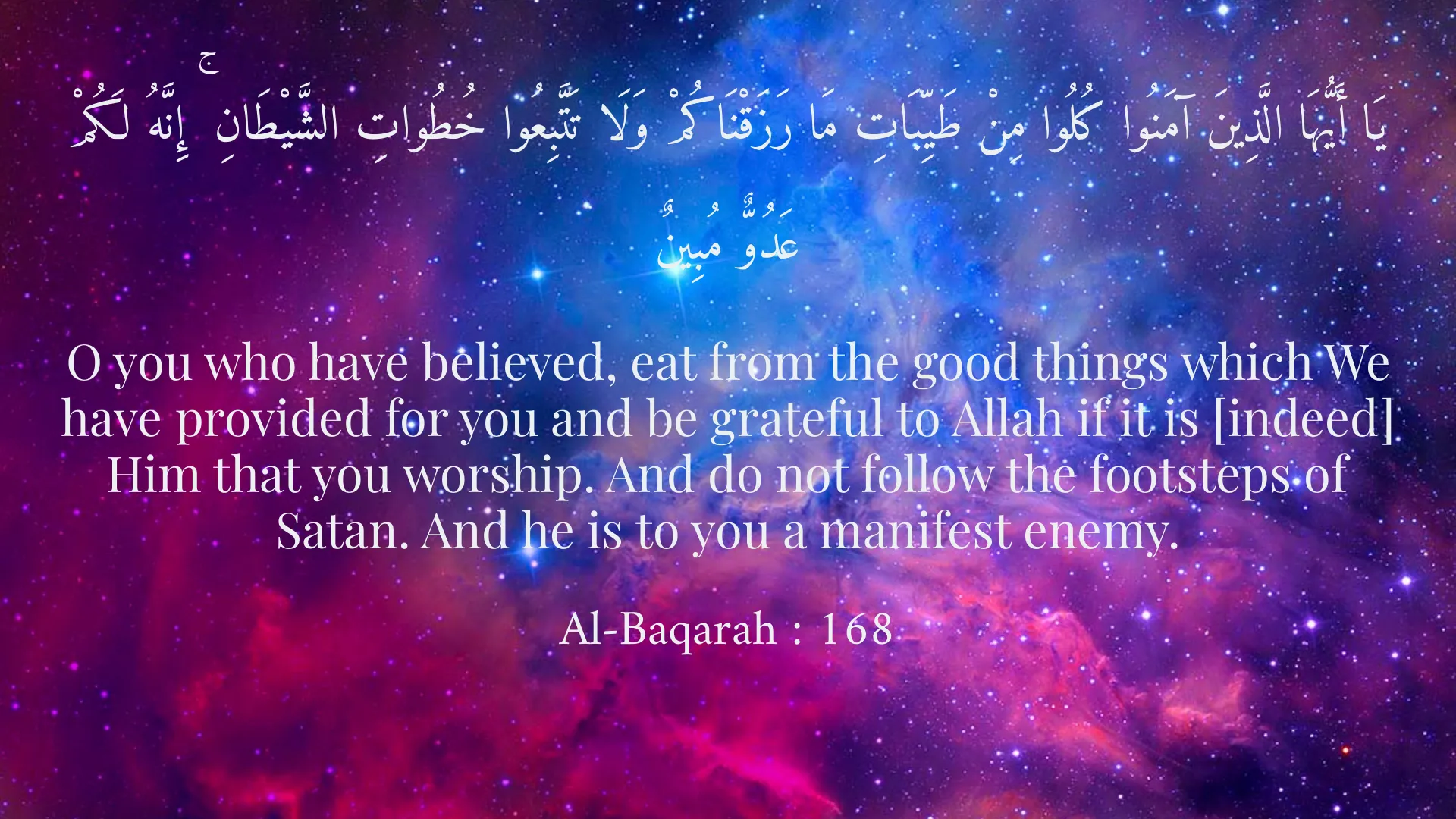
يَا أَيُّهَا الَّذِينَ آمَنُوا كُلُوا مِنْ طَيِّبَاتِ مَا رَزَقْنَاكُمْ وَلَا تَتَّبِعُوا خُطُواتِ الشَّيْطَانِ ۚ إِنَّهُ لَكُمْ عَدُوٌّ مُبِينٌ
O you who have believed, eat from the good things which We have provided for you and be grateful to Allah if it is [indeed] Him that you worship. And do not follow the footsteps of Satan. And he is to you a manifest enemy.
Al-Baqarah : 168
مِن شَرِّ الْوَسْوَاسِ الْخَنَّاسِ
From the evil of the retreating whisperer.
Al-Falaq : 4
Short Story
One day, a young man named Ali pondered over his wrong choices in search of the right path. While thinking, he came across a Quranic verse that encouraged him to reflect deeper. He realized that sometimes his thoughts tempted him toward wrong decisions. Ali decided that before acting, he would remember Allah and pray for guidance to avoid mistakes. Gradually, he felt more peace and confidence, allowing him to find the right path.