Quranic Answer
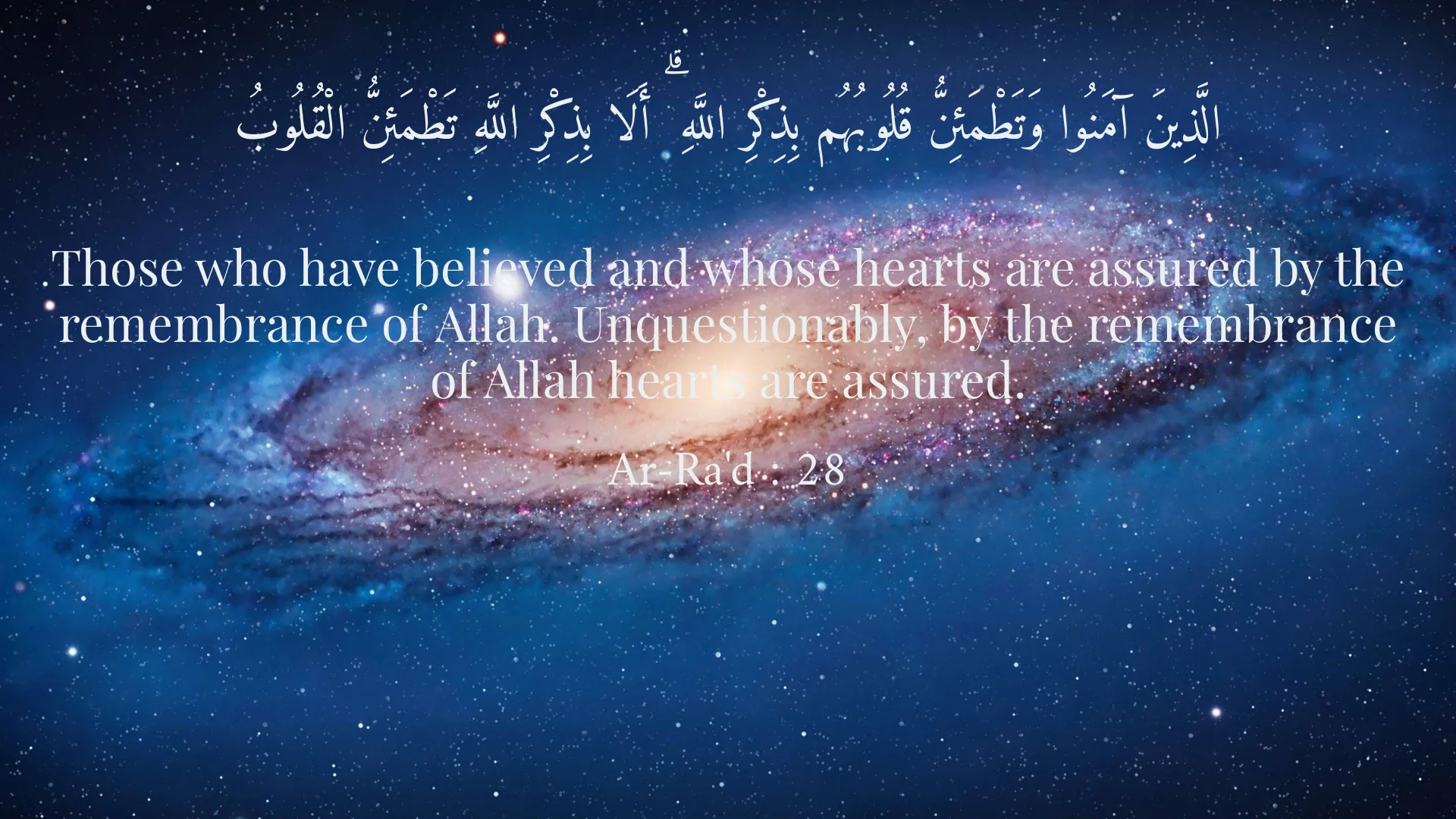
Finding peace in a world constantly in motion, filled with hustle and bustle, is a profound concern for many. The Holy Quran, as a book of guidance and light, offers deep and sustainable solutions for achieving inner tranquility, even in the busiest moments of life. These solutions are designed not merely to alleviate temporary anxieties but to build a strong foundation of peace within the human heart and soul. One of the most central Quranic concepts for attaining peace is the "remembrance of Allah" (Dhikr). Allah explicitly states in Surah Ar-Ra’d, verse 28: “الَّذِينَ آمَنُوا وَتَطْمَئِنُّ قُلُوبُهُم بِذِكْرِ اللَّهِ ۗ أَلَا بِذِكْرِ اللَّهِ تَطْمَئِنُّ الْقُلُوبُ” which means: “Those who have believed and whose hearts are assured by the remembrance of Allah. Unquestionably, by the remembrance of Allah hearts are assured.” This verse identifies the primary key to peace in the constant remembrance of God. Dhikr is not merely the repetition of words; it encompasses every form of remembering Allah, whether through prayer (Salah), recitation of the Quran, contemplation of divine signs, glorification (Tasbeeh) and praise (Hamd), or even performing good deeds with divine intention. When a person engages their heart with the remembrance of Allah, there is no room left for satanic whispers, unnecessary worries, or worldly anxieties. The remembrance of Allah acts like an anchor that keeps the ship of the heart steady in the tumultuous sea of life, preventing the turbulent waves of daily routines from steering it away from its path of tranquility. The second solution, repeatedly mentioned in numerous Quranic verses, is "patience (Sabr) and prayer (Salah)." In Surah Al-Baqarah, verse 153, we read: “يَا أَيُّهَا الَّذِينَ آمَنُوا اسْتَعِينُوا بِالصَّبْرِ وَالصَّلَاةِ ۚ إِنَّ اللَّهَ مَعَ الصَّابِرِينَ” which means: “O you who have believed, seek help through patience and prayer. Indeed, Allah is with the patient.” Patience here implies enduring hardships, steadfastness in the face of difficulties, and never giving in to despair. In today's chaotic world, external problems and pressures are inevitable. Patience empowers individuals to not succumb when faced with these pressures but to calmly continue their journey. Prayer, as the pillar of faith and the believer's ascension, is an unparalleled means of establishing a direct and unadulterated connection with Allah. Moments of prayer offer an opportunity to disconnect from the external world's noise and take refuge in the sacred divine presence. During prayer, one is liberated from material concerns, and the soul finds tranquility with the Creator of the universe. These two factors, patience and prayer, act as two wings that guide humanity from the height of turmoil to the safe haven of peace. "Reliance upon Allah" (Tawakkul) is the third essential pillar for peace. The Quran states in Surah At-Talaq, verse 3: “وَمَن يَتَوَكَّلْ عَلَى اللَّهِ فَهُوَ حَسْبُهُ ۚ إِنَّ اللَّهَ بَالِغُ أَمْرِهِ ۚ قَدْ جَعَلَ اللَّهُ لِكُلِّ شَيْءٍ قَدْرًا” which means: “And whoever relies upon Allah - then He is sufficient for him. Indeed, Allah will accomplish His purpose. Allah has already set for everything a [decreed] extent.” Tawakkul does not imply inaction or laziness; rather, it means exerting maximum effort within one's capabilities and then entrusting the outcomes to Allah. When a person understands that the reins of all affairs are in the capable and wise hands of Allah, and that He desires the best for His servants, the heavy burden of future worries and fear of failure is lifted from their shoulders. This complete trust in divine power and wisdom brings an immense source of peace and assurance, helping individuals maintain a serene heart and tranquil spirit amidst chaos and adversities. True Tawakkul frees a person from the bonds of illogical desires and expectations, leading them to accept divine wisdom in every situation. Furthermore, "piety and righteousness" (Taqwa) also play a crucial role in achieving peace. Living a life of Taqwa, which means living according to divine commands and avoiding prohibitions, protects individuals from many sins and problems that are themselves sources of anxiety and regret. The heart of a pious person is purer and more tranquil because it is free from the burden of sins and the concerns arising from them. The Quran promises that Allah will make a way out for those who fear Him and provide for them from sources they never expected; this promise itself is a source of tranquility. "And whoever fears Allah - He will make for him a way out and provide for him from where he does not expect." (At-Talaq: 2-3). Finally, "contentment and acceptance of divine decree" (Qada and Qadar) are also Quranic teachings that contribute to inner peace. Accepting the truth that everything in the universe happens with Allah's knowledge and wisdom helps a person not to become restless in the face of calamities and adversities. Being content with what one possesses and being grateful for existing blessings, instead of yearning for what one lacks, purifies the heart from greed and envy and invites peace into it. By accepting divine decree, a person ceases futile struggles with destiny and achieves deep tranquility. In summary, peace amidst life's chaos is found not by escaping it, but by transforming one's inner perspective and establishing a deep connection with the Creator. By adhering to Dhikr, Sabr, Salah, Tawakkul, Taqwa, and contentment, one can achieve a lasting and profound peace in any situation, even amidst the greatest turmoil, a peace that no external upheaval can disturb. This approach not only makes life more bearable but also fills it with satisfaction and blessings. Attaining this peace does not mean the absence of problems, but rather finding the ability to face problems with a calm and assured heart.
Related Verses
الَّذِينَ آمَنُوا وَتَطْمَئِنُّ قُلُوبُهُم بِذِكْرِ اللَّهِ ۗ أَلَا بِذِكْرِ اللَّهِ تَطْمَئِنُّ الْقُلُوبُ
Those who have believed and whose hearts are assured by the remembrance of Allah. Unquestionably, by the remembrance of Allah hearts are assured.
Ar-Ra'd : 28
يَا أَيُّهَا الَّذِينَ آمَنُوا اسْتَعِينُوا بِالصَّبْرِ وَالصَّلَاةِ ۚ إِنَّ اللَّهَ مَعَ الصَّابِرِينَ
O you who have believed, seek help through patience and prayer. Indeed, Allah is with the patient.
Al-Baqarah : 153
وَمَن يَتَوَكَّلْ عَلَى اللَّهِ فَهُوَ حَسْبُهُ ۚ إِنَّ اللَّهَ بَالِغُ أَمْرِهِ ۚ قَدْ جَعَلَ اللَّهُ لِكُلِّ شَيْءٍ قَدْرًا
And whoever relies upon Allah - then He is sufficient for him. Indeed, Allah will accomplish His purpose. Allah has already set for everything a [decreed] extent.
At-Talaq : 3
Short Story
It is told that there was a king who possessed vast treasures and countless armies, yet he never knew a moment of peace. His heart always trembled with fear and hope; sometimes he worried about losing his throne, and at other times he feared a rebellion from his subjects. One day, on his journey, he saw a dervish sitting alone under a tree, calmly humming a tune without a care in the world. The king approached and said, “O dervish, I, with all my possessions and power, do not have a moment of peace. How is it that you, with such poverty and destitution, are so at peace?” The dervish smiled and replied, “O King, you seek peace in accumulation and hoarding, while I find it in letting go and detachment. Your heart is burdened by what you have and what you desire, but my heart is lightened by contentment with what God has provided and trust in His will. The chaos of the world cannot affect a heart that has found its tranquility in its Creator. The difference between us is that you have tied your heart to the world, and I have tied my heart to the Creator of the world.” The king took heed of this advice and realized that true peace lies within, not without.