Quranic Answer
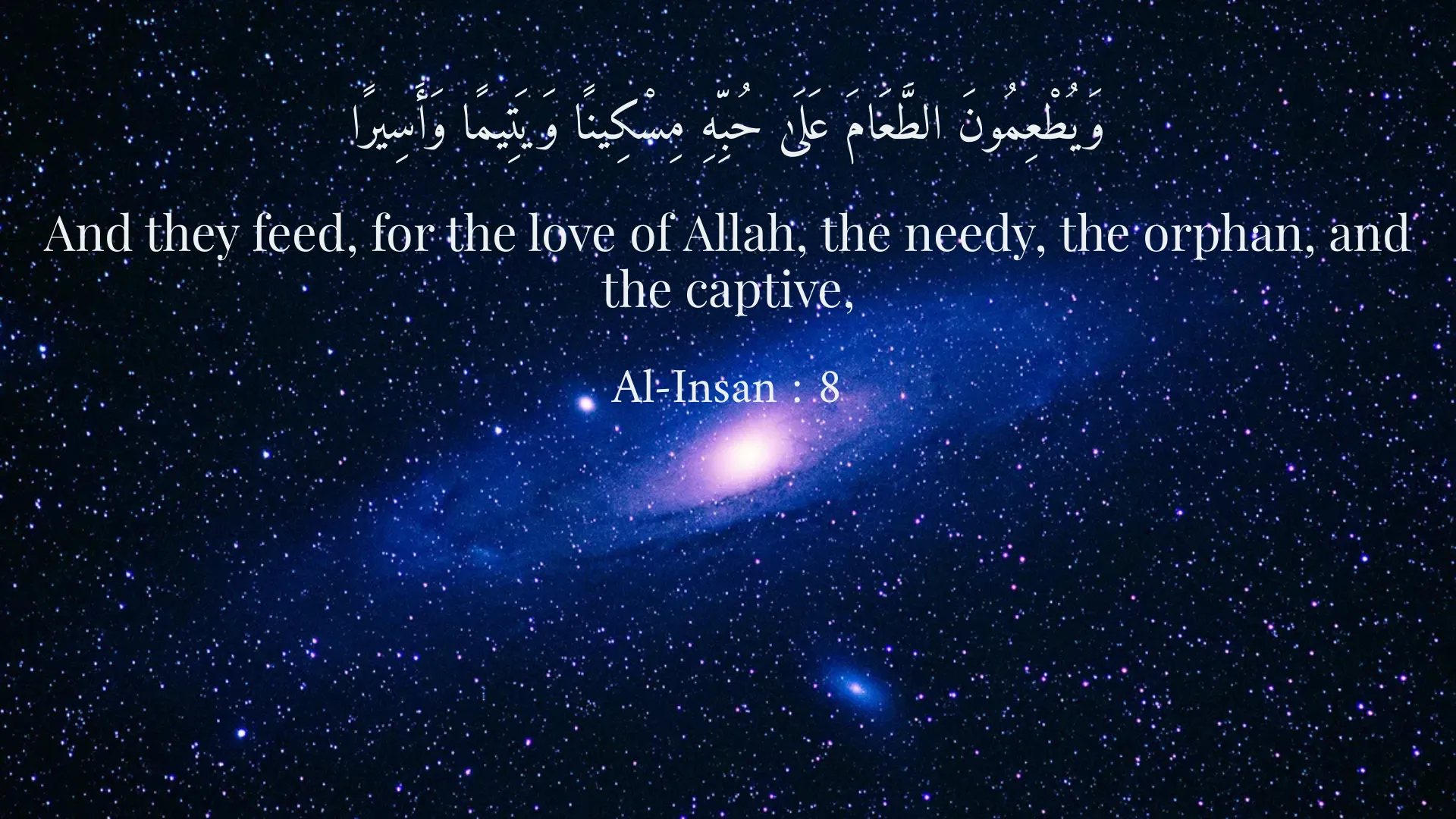
Giving love without expectation is one of the highest human and spiritual stations, profoundly emphasized in the teachings of the Holy Quran. This concept is rooted in the principle of 'Ikhlas' (sincerity); that is, performing every action solely and exclusively for the pleasure of Allah. When we express our love and kindness sincerely, without anticipating reward or gratitude from others, we are, in essence, walking the path of servitude and drawing closer to the eternal Divine Essence. This form of selfless love frees an individual from the shackles of worldly expectations and brings true inner peace. The Quran repeatedly emphasizes that the reward for good deeds is preserved with Allah and will never be wasted. This certainty of divine recompense is a powerful catalyst for freeing oneself from human expectations. For instance, in Surah Al-Insan, verses 8 and 9, Allah Almighty says about His righteous servants: "And they feed, for the love of Allah, the needy, the orphan, and the captive, [saying], 'We feed you only for the countenance of Allah. We wish not from you reward or gratitude.'" This noble verse presents an unparalleled model of giving and kindness without expectation. These individuals, even in their own dire need, share what they possess with others, and their sole aim is Allah's pleasure, not to gain human admiration or expect repayment. This is a profound lesson for all of us on how to purify our hearts from the contamination of expectations and transform giving into a purely divine act. Furthermore, the Quran, in numerous verses, stresses the importance of 'Wajh Allah' (the Countenance of Allah/Allah's pleasure). Whenever an action is performed with the intention of gaining divine pleasure, even if it seemingly yields no worldly reward, it becomes the most valuable asset for the Hereafter. In Surah Al-Baqarah, verse 272, we read: "...And whatever good you [believers] spend is for yourselves, and you do not spend except seeking the countenance of Allah. And whatever you spend of good will be fully repaid to you, and you will not be wronged." This verse clearly states that the purpose of spending and giving should solely be Allah's pleasure, and its true and complete reward rests with Him. This perspective liberates a person from the trap of disappointment or resentment should they not receive reciprocation from others. Giving love without expectation also signifies a deep trust in divine wisdom and justice. When you bestow kindness without anticipating return, you are essentially acknowledging the truth that Allah is the Bestower of rewards, and He never wastes the reward of the doers of good. This belief eradicates the roots of pride and ego that might arise from human expectations. For when we expect reciprocation from someone and they fail to reciprocate, we might feel wronged or overlooked, and these negative emotions can hinder our spiritual growth. However, when we act solely for Allah, these issues vanish. From a psychological and spiritual standpoint, liberation from expectations leads to profound inner peace. Expectations place a heavy burden on individuals, and their unfulfillment can lead to resentment, disappointment, and even malice. But when our love is boundless and unconditional, we are freed from these burdens. This freedom is not only beneficial for ourselves but also elevates the quality of our relationships with others, as they are no longer based on transactions but on authenticity and sincerity. To cultivate this type of intrinsic and selfless love, we must engage in certain practices: First, always purify our intention for Allah. Before every good deed, inwardly say: "O Allah, I do this solely for Your pleasure." Second, divert our attention from the reactions of others and focus on our intention. Third, firmly believe that Allah is the ultimate Rewarder and has prepared the best rewards for His sincere servants. Even if we see no sign of reciprocation in this world, the reward in the Hereafter is greater and more enduring. This approach also saves us from falling into the trap of showing off (riya); because one who acts for Allah's pleasure needs no validation from others. In conclusion, giving love without expectation is not merely an ethical act but a spiritual journey that brings an individual closer to the Almighty. This path brings purity of soul, tranquility of heart, and a deeper connection to the boundless source of divine love and mercy. With this perspective, every act of kindness, from a simple smile to extensive charity, transforms into a pure act of worship that bestows light and blessings upon our lives and those around us. This is the highest degree of generosity any human can attain.
Related Verses
وَيُطْعِمُونَ الطَّعَامَ عَلَىٰ حُبِّهِ مِسْكِينًا وَيَتِيمًا وَأَسِيرًا
And they feed, for the love of Allah, the needy, the orphan, and the captive,
Al-Insan : 8
إِنَّمَا نُطْعِمُكُمْ لِوَجْهِ اللَّهِ لَا نُرِيدُ مِنكُمْ جَزَاءً وَلَا شُكُورًا
[Saying], 'We feed you only for the countenance of Allah. We wish not from you reward or gratitude.'
Al-Insan : 9
لَّيْسَ عَلَيْكَ هُدَاهُمْ وَلَٰكِنَّ اللَّهَ يَهْدِي مَن يَشَاءُ ۗ وَمَا تُنفِقُوا مِنْ خَيْرٍ فَلِأَنفُسِكُمْ ۚ وَمَا تُنفِقُونَ إِلَّا ابْتِغَاءَ وَجْهِ اللَّهِ ۚ وَمَا تُنفِقُوا مِنْ خَيْرٍ يُوَفَّ إِلَيْكُمْ وَأَنتُمْ لَا تُظْلَمُونَ
Not upon you, [O Muhammad], is their guidance, but Allah guides whom He wills. And whatever good you [believers] spend is for yourselves, and you do not spend except seeking the countenance of Allah. And whatever you spend of good will be fully repaid to you, and you will not be wronged.
Al-Baqarah : 272
وَمَا أُمِرُوا إِلَّا لِيَعْبُدُوا اللَّهَ مُخْلِصِينَ لَهُ الدِّينَ حُنَفَاءَ وَيُقِيمُوا الصَّلَاةَ وَيُؤْتُوا الزَّكَاةَ ۚ وَذَٰلِكَ دِينُ الْقَيِّمَةِ
And they were not commanded except to worship Allah, [being] sincere to Him in religion, inclining to truth, and to establish prayer and to give zakah. And that is the correct religion.
Al-Bayyinah : 5
Short Story
It is narrated that a virtuous and benevolent man lived in a secluded corner of a distant city. It was his custom to visit the homes of the needy every night, without anyone knowing, delivering a small amount of food, clothing, or other necessities. He never sought praise or gratitude for his deeds; he left no name nor a sign. One day, his friends asked him: 'O good man, why does no one ever know of your abundant kindness and praise you?' The virtuous man smiled and said: 'My friends, I do not do this kindness for the eyes of people, that I should need their praise. I do this solely for the pleasure of God; for I know that He alone gives true reward, and in this act, I find a tranquility that no human gratitude can bestow upon me.' From then on, people called him 'The Expectation-less Helper' and learned from him that true kindness lies in purity of intention, not in the anticipation of reward.