Quranic Answer
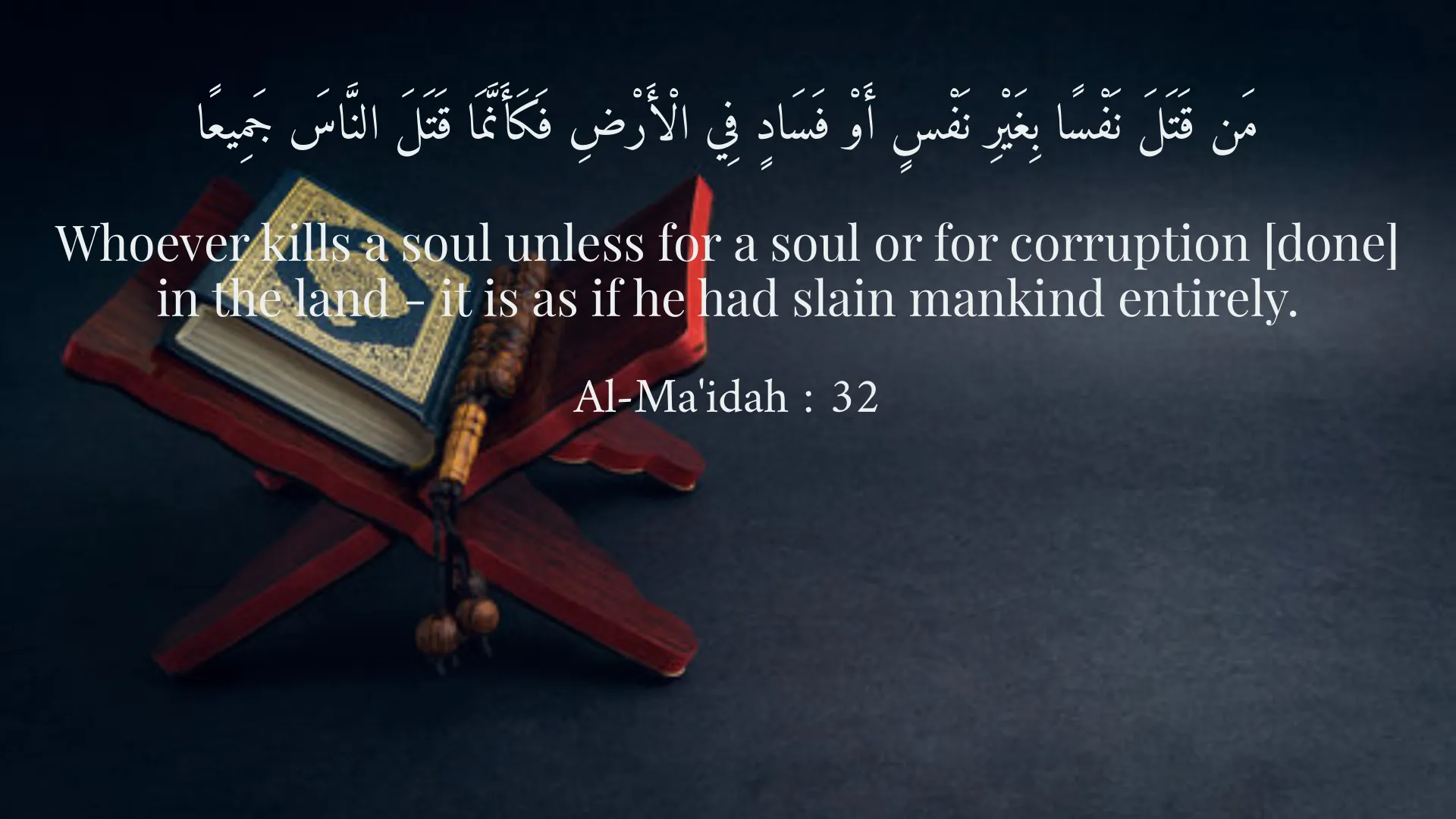
Religious self-esteem is a concept that intertwines faith and self-confidence, shaped significantly by the values and teachings of one's religion. For those who follow Islam, this idea is deeply rooted in the principles outlined in the Holy Quran. Understanding the essence of one's religious identity is crucial to building a strong self-esteem anchored in spirituality and a sense of community. This article aims to explore the concept of religious self-esteem, shedding light on how Quranic teachings contribute to this aspect of our lives and how embracing these principles can empower us to be confident in who we are. The Quran places a profound emphasis on the respect for oneself and the sanctity of human beings. As humanity is created by Allah, there exists an intrinsic value in every individual that must be recognized. In Surah Al-Ma'idah, verse 32, it states, 'Because of that, We decreed upon the Children of Israel that whoever kills a soul unless for a soul or for corruption [done] in the land - it is as if he had slain mankind entirely.' This powerful verse encapsulates the idea that each life is precious and that taking a life unjustly is treated as an act against all of humanity. By acknowledging this profound sanctity and value of life, one begins to understand their own worth. When individuals internalize the significance of their existence and understand that they are held in high esteem by their Creator, it naturally fosters a heightened sense of self-worth and confidence. Moreover, in Surah Al-Hujurat, verse 13, the message of equality amongst humankind is articulated: 'O mankind, indeed We have created you from male and female and made you peoples and tribes that you may know one another...' This verse reinforces the belief that, no matter the superficial distinctions that may exist – be they cultural, racial, or social – we are fundamentally united under the same Divine Creator. This recognition of equality is essential for nurturing religious self-esteem, suggesting that we should not allow external differences to diminish our self-respect. By understanding that one’s intrinsic worth is derived from being part of a universal family created by Allah, individuals can cultivate an authentic sense of belonging and self-acceptance. To have a robust sense of religious self-esteem, it is imperative for individuals to know themselves – their values, their purpose, and their place within the grand scheme of creation. This involves introspection and reflection, allowing one to discover their unique identity and the special role they play in the multitude of Allah's creations. Awareness of one’s own strengths, as well as acknowledgment of areas for growth, plays a vital role in establishing a healthy self-esteem. When one feels aligned with their religious beliefs and principles, it is easier to embrace their identity with confidence and resilience. However, it is common for individuals to experience fluctuations in their self-esteem. Moments of self-doubt can arise from external influences, personal failures, or comparisons with others. This is why it is essential to remind oneself of the Quranic verses that underscore personal value and dignity. Establishing a connection with Allah through prayer, supplication, and reflection can empower individuals to combat feelings of inadequacy. Engaging with these sacred texts and seeking knowledge about one's faith can significantly uplift spirits and reinforce one’s self-worth. Additionally, cultivating religious self-esteem requires active engagement in the teachings of Islam. This includes avoiding sinful behavior and striving towards self-improvement. The journey of personal development is imbued with the understanding that every step taken towards righteousness not only earns the pleasure of Allah but also bolsters one’s self-esteem. Helping others, serving the community, and participating in acts of kindness can further enhance one's sense of purpose and belonging. When individuals contribute positively to the lives of others, they reinforce their value and, in turn, elevate their own self-perception. Furthermore, maintaining a closer relationship with Allah naturally leads to an increase in self-esteem. Regular prayer and adherence to Islamic teachings offer a roadmap for living a life of purpose and fulfillment. Obedience to Allah's commandments in daily life fosters a sense of alignment with one’s beliefs and values, which further fortifies the individual’s self-worth. Experiencing moments of spiritual upliftment can remind one of their unique place in creation and the responsibilities that come with it, thereby enhancing self-respect. Ultimately, religious self-esteem is a multi-faceted concept deeply rooted in one's faith and relationship with God. The Quran provides invaluable guidance for individuals to recognize their intrinsic worth, foster a sense of equality amongst themselves and others, and build a strong personal identity. By embracing these teachings, individuals can nurture their self-esteem and live purposefully, knowing that they are valuable creations of Allah who have a significant role in the fabric of humanity. The journey towards achieving religious self-esteem is not merely about personal empowerment; it is also about serving others, engaging with one’s community, and fulfilling one's responsibilities as a member of the human family. In conclusion, fostering religious self-esteem is a vital aspect of spiritual growth and personal fulfillment, acting as a compass to navigate the complexities of life with confidence and grace.
Related Verses
مَن قَتَلَ نَفْسًا بِغَيْرِ نَفْسٍ أَوْ فَسَادٍ فِي الْأَرْضِ فَكَأَنَّمَا قَتَلَ النَّاسَ جَمِيعًا
Whoever kills a soul unless for a soul or for corruption [done] in the land - it is as if he had slain mankind entirely.
Al-Ma'idah : 32
يَا أَيُّهَا النَّاسُ إِنَّا خَلَقْنَاكُم مِّن ذَكَرٍ وَأُنْثَى وَجَعَلْنَاكُمْ شُعُوبًا وَقَبَائِلَ لِتَعَارَفُوا...
O mankind, indeed We have created you from male and female and made you peoples and tribes that you may know one another...
Al-Hujurat : 13
Short Story
One day, I decided to visit a friend who always uplifts my spirits. When I reached him, he asked why I seemed so worried. I told him that I felt a lack of self-confidence. He calmly said, 'Learn to love yourself and rely on God.' He reminded me of Quranic verses and explained that when you respect your own dignity, you will find yourself stronger. After that day, I paid more attention to myself and tried to establish a better connection with God.