Quranic Answer
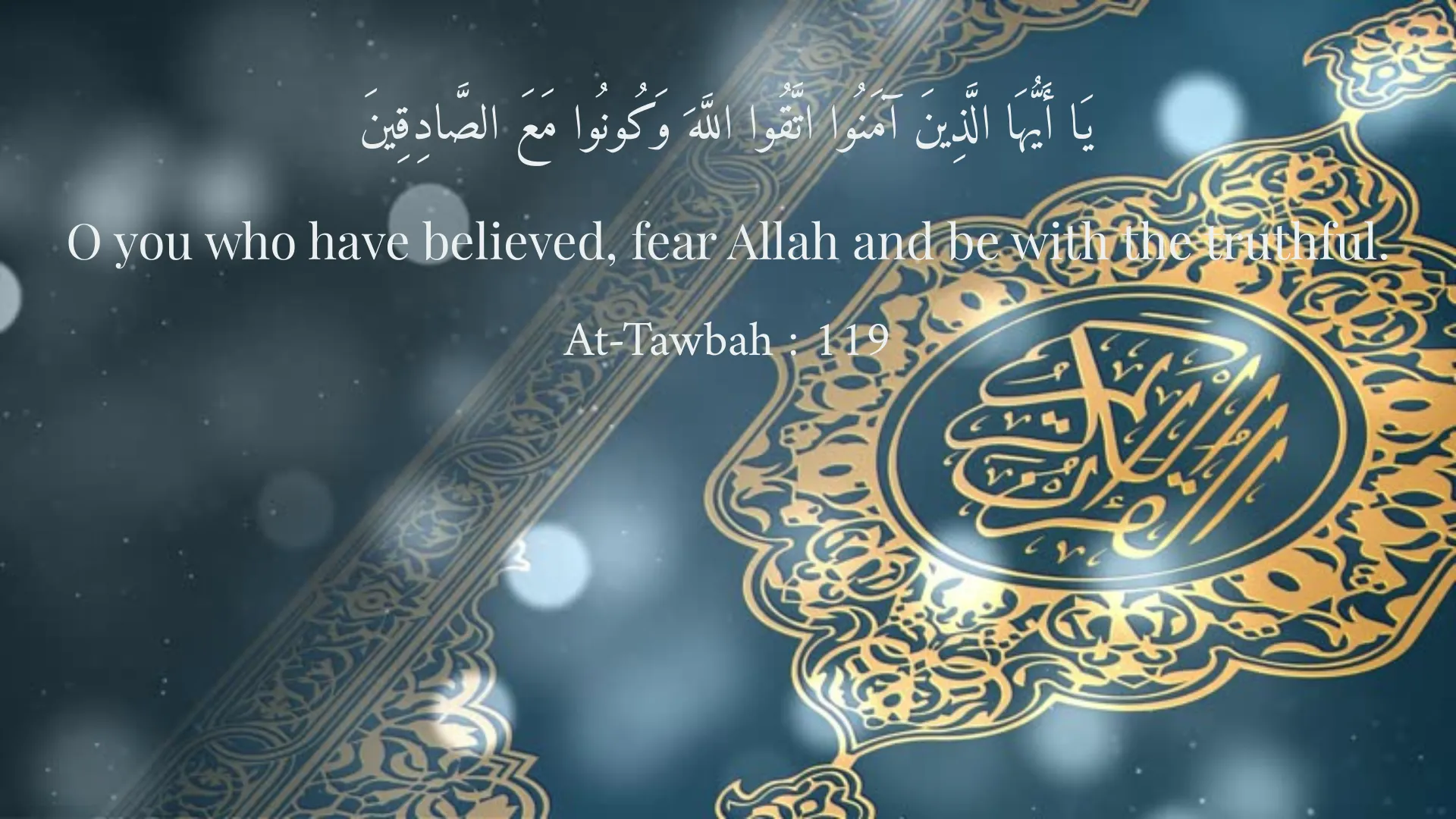
### The Importance of Honesty and Truthfulness in the Holy Quran: A Guide for Parents In the pursuit of a moral and ethical life, honesty and truthfulness stand as two fundamental principles that are celebrated across cultures and religions. Among these, the Islamic faith, represented in the Holy Quran, emphasizes these traits as invaluable characteristics of human beings. In our journey through life, we often encounter complex situations that require us to reconcile our desires with our moral convictions. The teachings of the Quran provide profound guidance on the significance of honesty, urging believers to adopt this virtue not only in their personal conduct but also as a foundational value in raising the next generation. In Surah At-Tawbah, verse 119, Allah commands the believers: "O you who have believed, fear Allah and be with the truthful." This unequivocal instruction illuminates the importance of fostering truthfulness in every aspect of life. The verse suggests that honesty and truthfulness are not merely commendable attributes but are instead integral to developing a deep and meaningful relationship with Allah. When one cultivates honesty within themselves, they are not only securing their own ethical footing but are also following a divine directive that connects them more closely to their Creator. ### Honesty as a Family Value The role of parents in instilling honesty in their children cannot be overstated. To effectively teach these virtues, parents must embody them. Children are keen observers and often model their behavior after the example set by their parents. When integrity is consistently demonstrated within the family unit, it lays a firm foundation for children to adopt these values as their own. This modeling of behavior is one of the most potent tools parents possess in nurturing honesty and truthfulness in their home environment. Moreover, parents can utilize storytelling as a means to convey the importance of honesty. Narratives that emphasize the virtues associated with truthfulness can resonate with children, simultaneously entertaining and educating them. Personal experiences—either from the parents' lives or from historical Islamic figures—can serve as valuable lessons for children. These stories not only illustrate the ramifications of dishonesty but also celebrate the triumphs associated with being truthful. Thus, when parents share experiences that highlight the significance of honesty, they reinforce the message that living truthfully is commendable and rewarding. ### The Quranic Framework for Upbringing Islam places great importance on family and the upbringing of children, as outlined in various verses across the Quran. Surah Luqman serves as a poignant example, where Luqman, a wise figure, advises his son with considerable care. In verse 13, he imparts the wisdom: "O my son, do not associate [anything] with Allah; indeed, association [with Him] is great injustice." This powerful exhortation demonstrates that the process of instilling moral values, including honesty, begins early in a child's life. Proper upbringing is not just about imparting knowledge; it is about nurturing character and integrity in future generations. To create a nurturing environment conducive to honesty, parents must foster an atmosphere of trust and security. When children feel safe, they are more inclined to express themselves openly and honestly. This is particularly crucial when mistakes occur. Indeed, how parents respond to their children's errors can significantly influence the child's perception of honesty. For instance, if a child makes a mistake, rather than imposing harsh punishments, parents should encourage open discussions about the error. This not only reinforces the importance of truthfulness but also teaches children that acknowledging their mistakes is a vital part of growth and learning. By normalizing such conversations, parents can instill a belief in their children that honesty will be met with understanding rather than hostility. ### Nurturing Trust Through Love and Understanding In building this positive framework for honesty, the foundation of love and understanding from parents is indispensable. Children must perceive that their honesty, regardless of the outcome, will be met with acceptance. This understanding reinforces their willingness to share their truths, be it about mistakes, fears, or challenges. Parents can effectively communicate this acceptance through their words, behavior, and, importantly, their emotional responses. When children feel unconditional love, they become more secure in expressing themselves truthfully. Furthermore, for children to internalize the value of honesty, it is essential that they see the consequences of dishonest behavior. Parents can exemplify this through their own actions while explaining the significance of maintaining integrity even in challenging situations. By showing that honesty leads to peace of mind and satisfaction, parents create an intrinsic motivation within their children to adopt and cherish this virtue. ### Conclusion In conclusion, the teachings of the Quran serve as a guiding light in showcasing the paramount importance of honesty and truthfulness. With specific references that underscore these values, parents have a crucial role in raising children who embody integrity, not only through their words but also through their actions. By modeling truthfulness, sharing valuable stories, fostering a trusting environment, and nurturing love and understanding, parents can ensure that honesty becomes an inherent part of their children's moral fabric. As we strive to create a world where honesty prevails, our commitment to upholding these virtues within our families is a vital first step. Ultimately, embracing honesty serves not only to strengthen our bonds with one another but also to deepen our connection with Allah, as encouraged throughout the Holy Quran.
Related Verses
يَا أَيُّهَا الَّذِينَ آمَنُوا اتَّقُوا اللَّهَ وَكُونُوا مَعَ الصَّادِقِينَ
O you who have believed, fear Allah and be with the truthful.
At-Tawbah : 119
وَإِذْ قَالَ لُقْمَانُ لِابْنِهِ وَهُوَ يَعِظُهُ يَا بُنَيَّ لا تُشْرِكْ بِاللَّهِ إِنَّ الشِّرْكَ لَظُلْمٌ عَظِيمٌ
And [mention] when Luqman said to his son while he was instructing him, 'O my son, do not associate [anything] with Allah; indeed, association [with Him] is great injustice.'
Luqman : 13
Short Story
One day, the parents asked their child to talk about honesty. The mother shared a story about a little boy who tried to tell the truth, even when he knew he might get in trouble. In the end, his parents praised him for being honest and he learned that trust and honesty are the best ways to solve problems.